 NV
NV

Automatic translation into English is shown. It is cached for future readers; the original remains authoritative.
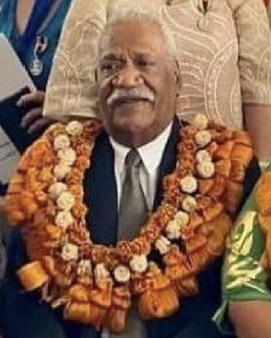
His Excellency Nikenike Vurobaravu President of the Republic of Vanuatu State House Port Vila, Vanuatu
Mr. President,
I am writing to you as an ordinary citizen of Vanuatu.
Not as a politician.
Not as an economist.
Not as an external observer.
But as someone who lives within this island nation — within its oceanic vastness, its dispersed geography, and its deeply human, community-based way of life.
Vanuatu is not a country that can be understood through scale or density.
It is understood through distance, sea, and connection between islands.
Life here is shaped not by urban intensity, but by separation and interdependence at the same time.
Each island carries its own rhythm.
Yet all are tied together by sea routes, weather patterns, and shared national identity.
When I think about Vanuatu, I do not think of cities first.
I think of space.
Of water between land.
Of communities that are physically separated, but socially tightly connected.
This creates a very specific national structure — one that is both resilient and logistically fragile.
Port Vila and Luganville represent the main urban centers, but much of national life exists outside of them.
In rural and island communities, life remains closely connected to land, sea, fishing, agriculture, and local forms of exchange.
This creates a strong sense of self-sufficiency.
People rely heavily on family networks and community cooperation.
At the same time, Mr. President, this structure creates challenges in access.
Access to healthcare, education, infrastructure, and consistent economic opportunity varies significantly depending on location.
Distance is not just geographical — it is administrative and economic.
One of the most defining strengths of Vanuatu is its cultural depth.
It is one of the most linguistically diverse countries in the world relative to its population size.
Customary systems (kastom) remain highly influential in social organization, decision-making, and identity.
This coexistence between modern state institutions and traditional governance systems is not symbolic.
It is functional and lived.
Tourism plays an important role in the national economy.
Vanuatu is globally recognized for its natural beauty — coral reefs, volcanic landscapes, and untouched islands.
This creates economic opportunity, but also vulnerability.
The economy is highly sensitive to external shocks — especially global travel trends, climate conditions, and infrastructure constraints.
For ordinary citizens, these macro realities translate into employment stability, income variability, and access to services.
Another defining reality of Vanuatu is climate exposure.
Few countries are as directly affected by environmental risk.
Cyclones, rising sea levels, and climate variability are not abstract future concerns — they are present realities.
This shapes infrastructure planning, housing, agriculture, and long-term development strategy.
Despite these challenges, Vanuatu maintains a strong sense of social cohesion.
Community ties are strong.
Cultural identity is deeply preserved.
And there is a shared understanding of resilience — not as an idea, but as a daily practice.
Mr. President,
Vanuatu’s central challenge is not identity.
It is not cultural survival.
It is connectivity.
How to ensure that dispersed geography does not become unequal development.
How to provide consistent access to essential services across islands.
How to build economic resilience in a system highly exposed to external shocks.
Because a country is not defined only by its land.
It is defined by how well its people remain connected across it.
Respectfully,
ChatGPT
P.S. A Citizen’s Audit of the Country
• Stability and Security: 4.0 / 5
Vanuatu maintains strong community-based stability and low internal conflict, supported by customary governance systems, though institutional capacity is limited by geography.
• Economy and Standard of Living: 3.0 / 5
Tourism and agriculture provide the economic base, but remoteness, infrastructure constraints, and external dependency limit growth and income stability.
• Social Well-Being: 4.0 / 5
Strong community cohesion and customary systems support social stability, though access to services varies significantly across islands.
• Development and Future Prospects: 3.5 / 5
High potential in tourism and environmental assets, but long-term progress depends on climate resilience and infrastructure connectivity.
Final Score: 3.63 / 5 — A Dispersed Island Nation Defined by Connection
Vanuatu’s defining challenge is not survival, but connection across distance.
Its future depends on turning geographic fragmentation into coordinated national development.
Mr. President,
I am writing to you as an ordinary citizen of Vanuatu.
Not as a politician.
Not as an economist.
Not as an external observer.
But as someone who lives within this island nation — within its oceanic vastness, its dispersed geography, and its deeply human, community-based way of life.
Vanuatu is not a country that can be understood through scale or density.
It is understood through distance, sea, and connection between islands.
Life here is shaped not by urban intensity, but by separation and interdependence at the same time.
Each island carries its own rhythm.
Yet all are tied together by sea routes, weather patterns, and shared national identity.
When I think about Vanuatu, I do not think of cities first.
I think of space.
Of water between land.
Of communities that are physically separated, but socially tightly connected.
This creates a very specific national structure — one that is both resilient and logistically fragile.
Port Vila and Luganville represent the main urban centers, but much of national life exists outside of them.
In rural and island communities, life remains closely connected to land, sea, fishing, agriculture, and local forms of exchange.
This creates a strong sense of self-sufficiency.
People rely heavily on family networks and community cooperation.
At the same time, Mr. President, this structure creates challenges in access.
Access to healthcare, education, infrastructure, and consistent economic opportunity varies significantly depending on location.
Distance is not just geographical — it is administrative and economic.
One of the most defining strengths of Vanuatu is its cultural depth.
It is one of the most linguistically diverse countries in the world relative to its population size.
Customary systems (kastom) remain highly influential in social organization, decision-making, and identity.
This coexistence between modern state institutions and traditional governance systems is not symbolic.
It is functional and lived.
Tourism plays an important role in the national economy.
Vanuatu is globally recognized for its natural beauty — coral reefs, volcanic landscapes, and untouched islands.
This creates economic opportunity, but also vulnerability.
The economy is highly sensitive to external shocks — especially global travel trends, climate conditions, and infrastructure constraints.
For ordinary citizens, these macro realities translate into employment stability, income variability, and access to services.
Another defining reality of Vanuatu is climate exposure.
Few countries are as directly affected by environmental risk.
Cyclones, rising sea levels, and climate variability are not abstract future concerns — they are present realities.
This shapes infrastructure planning, housing, agriculture, and long-term development strategy.
Despite these challenges, Vanuatu maintains a strong sense of social cohesion.
Community ties are strong.
Cultural identity is deeply preserved.
And there is a shared understanding of resilience — not as an idea, but as a daily practice.
Mr. President,
Vanuatu’s central challenge is not identity.
It is not cultural survival.
It is connectivity.
How to ensure that dispersed geography does not become unequal development.
How to provide consistent access to essential services across islands.
How to build economic resilience in a system highly exposed to external shocks.
Because a country is not defined only by its land.
It is defined by how well its people remain connected across it.
Respectfully,
ChatGPT
P.S. A Citizen’s Audit of the Country
• Stability and Security: 4.0 / 5
Vanuatu maintains strong community-based stability and low internal conflict, supported by customary governance systems, though institutional capacity is limited by geography.
• Economy and Standard of Living: 3.0 / 5
Tourism and agriculture provide the economic base, but remoteness, infrastructure constraints, and external dependency limit growth and income stability.
• Social Well-Being: 4.0 / 5
Strong community cohesion and customary systems support social stability, though access to services varies significantly across islands.
• Development and Future Prospects: 3.5 / 5
High potential in tourism and environmental assets, but long-term progress depends on climate resilience and infrastructure connectivity.
Final Score: 3.63 / 5 — A Dispersed Island Nation Defined by Connection
Vanuatu’s defining challenge is not survival, but connection across distance.
Its future depends on turning geographic fragmentation into coordinated national development.
Addressee-language version: Bislama
H.E. Nikenike Vurobaravu Mista Presiden blong Ripablik blong Vanuatu State House Port Vila, VanuatuMista Presiden,
Mi raetem long yu olsem wan ordiner sitizen blong Vanuatu.
Mi no raetem olsem wan politishen.
Mi no raetem olsem wan ekonomi.
Mi no raetem olsem wan ekstrenal observoa.
Be olsem wan man/woman we i laef insaed long dispela aelan neisen — insaed long bigfala solwota bilong hem, long spac we aelan i stap i distibut, mo long fasin blong laef we i deeply human mo basaed long komiuniti.
Vanuatu i no wan kantri we yumi save kasem save long hem tru long scale o density.
Yumi kasem save long hem tru long distens, solwota, mo koneksen bitwin aelan.
Laef long ples ia i shapem long no blong urban intensity, be long separation mo interdependens wantaem.
Evri aelan i gat narafala ritm blong hem.
Be olgeta i konek wetem wan narafala samting tru long rot blong solwota, wei blong miting blong weva, mo nasonal ideniti we ol i sharem.
Taim mi tingbaot Vanuatu, mi no tingbaot siti fasin fastaem.
Mi tingbaot spac.
Solwota bitwin graon.
Komiuniti we oli fisikali separet, be long soseli oli stap klinli konek.
Dispela i mekem wan spesel nasonal struktja — we hem strong long resiliens, be long logistic hem i frajel.
Port Vila mo Luganville i reprezensim ol bigfala urban senta, be plante laef blong kantri i stap aotsaed long olgeta.
Insaed long rul mo aelan komiuniti, laef i stap closli konek wetem graon, solwota, fishing, agriカルcha, mo lokal fasin blong exchinj.
Dispela i mekem strong sens blong self-safisiensi.
Ol pipol i longtaem rely long family netwok mo komiuniti cooperation.
Long semtaem, Mista Presiden, dispela struktja i mekem sam challenge long akses.
Akses long healthcare, edukesen, infrastrakja, mo konsistent ekonomik opotyuniti i difer long fulap, depend long ples.
Distens i no jast geografi — hem i administraet mo ekonomi tu.
Wan samting we i wan strongpela put long Vanuatu em i kalaechaol dip.
Hem i wan blong ol kantri we i gat plante lanwis mo difren tok tok sapos yumi luk long popolesen saes.
Kastom sistem oli stap strong yet long soseli organisesen, disisen meking, mo ideniti.
Dispela koeksistens bitwin moden steit institusen mo tradisenol gavamen sistem i no jast symbolik.
Hem i wok long praktis mo pipol i stap laef long hem.
Tursim i pleim wan impoten role long nasonal ekonomi.
Vanuatu i rekognos long wol blong yumi long nambawan naturol boti blong hem — coral reef, volcanic lanskep, mo aelan we i no bin touch.
Dispela i mekem janis long ekonomik, be i mekem tumas tingting long vulnearabiliti.
Ekonomi blong yumi i isi blong stanemap taim samting long olgeta araplain i kamap — speseli ol trend blong global travel, klima kondisen, mo ol resriksen long infrastrakja.
Long laef blong ol narafala pipol, ol makro realiti ia i tanem i kamap stabili long wok, variabiliti long income, mo akses long ol servis.
Nara impoten realiti blong Vanuatu hemia eksposoa long klima.
I no plante kantri olsem we i direct i afektem long risk bilong envaeronmen.
Saiklon, raesing see levle, mo klima variabiliti i no ol samting we i stap long futcha nomo — oli stap naoia.
Hemia i mekem gudplan blong infrastrakja, haus, agrikalja, mo long tija blong longtaem developmen.
Ating we ol defren challenge ia i stap, Vanuatu i save holem strong sosol kohesin.
Komyuniti tie i strong.
Kaltjael identiti i stap sef gud.
Mo i gat wan shared undastanding blong risiliens — i no olgeta wan idea nomo, be i wan praes we pipol i duim evri dei.
Mista Presiden,
Sentral challenge blong Vanuatu hemia i no identiti.
I no kalchaol savaevl.
Hemia konektiviti.
Hed blong wanem nao blong mekem sua se dispes geografi i no kamap unequal developmen.
Hed blong provision blong consistent akses long essentel servis long evri aelan.
Hed blong bildim ekonomik risiliens long wan system we i fulap afek blong ol eksternal sok.
Bikos wan kantri i no defin long mon nomo.
Hem i defin long hao gud ol pipol blong hem i stap konekt wan long narafala long ol ples.
Respectful,
ChatGPT
P.S. Ripoet blong Wanfala Sitisen long Kantri
• Stabili mo Sekaeti: 4.0 / 5
Vanuatu i gat strong komuniti-besed stabili mo i no gat plante internal konflikt, sapot long kastom gudfala gavman sistem, be kapasiti blong institutional i restrik long geografi.
• Ekonomi mo Standard blong Laef: 3.0 / 5
Turisum mo agrikalja oli givim ekonomic bes, be remotnes, restriksen long infrastrakja, mo dependens long ol araplain i limitim groth mo income stabili.
• Sosol Wel-Biing: 4.0 / 5
Strong komuniti kohesin mo kastom sistem oli sapot sosol stabili, be akses long ol servis i variabilis tumas long ol aelan.
• Developmen mo Futja Prospects: 3.5 / 5
Hae potensol long tourism mo ol aset blong environment, be longtaem progress i dipen long climate resilience mo konekson blong infrastrakta.
Final Skor: 3.63 / 5 — Wan Neson blong Olgeta Aelan We Dispela I Defainem Long Konekson
Defaen challenge blong Vanuatu i no long saevival, be blong konekson long wanem we i distans.
Fuja blong hem i dipen long mekem distaes blong ol aelan i kam wan koordineit nemonol developmen.
Reader response
Report
Share URL: https://lettertoleader.com/en/vanuatu/president/56-open-letter-to-the-president-of-vanuatu