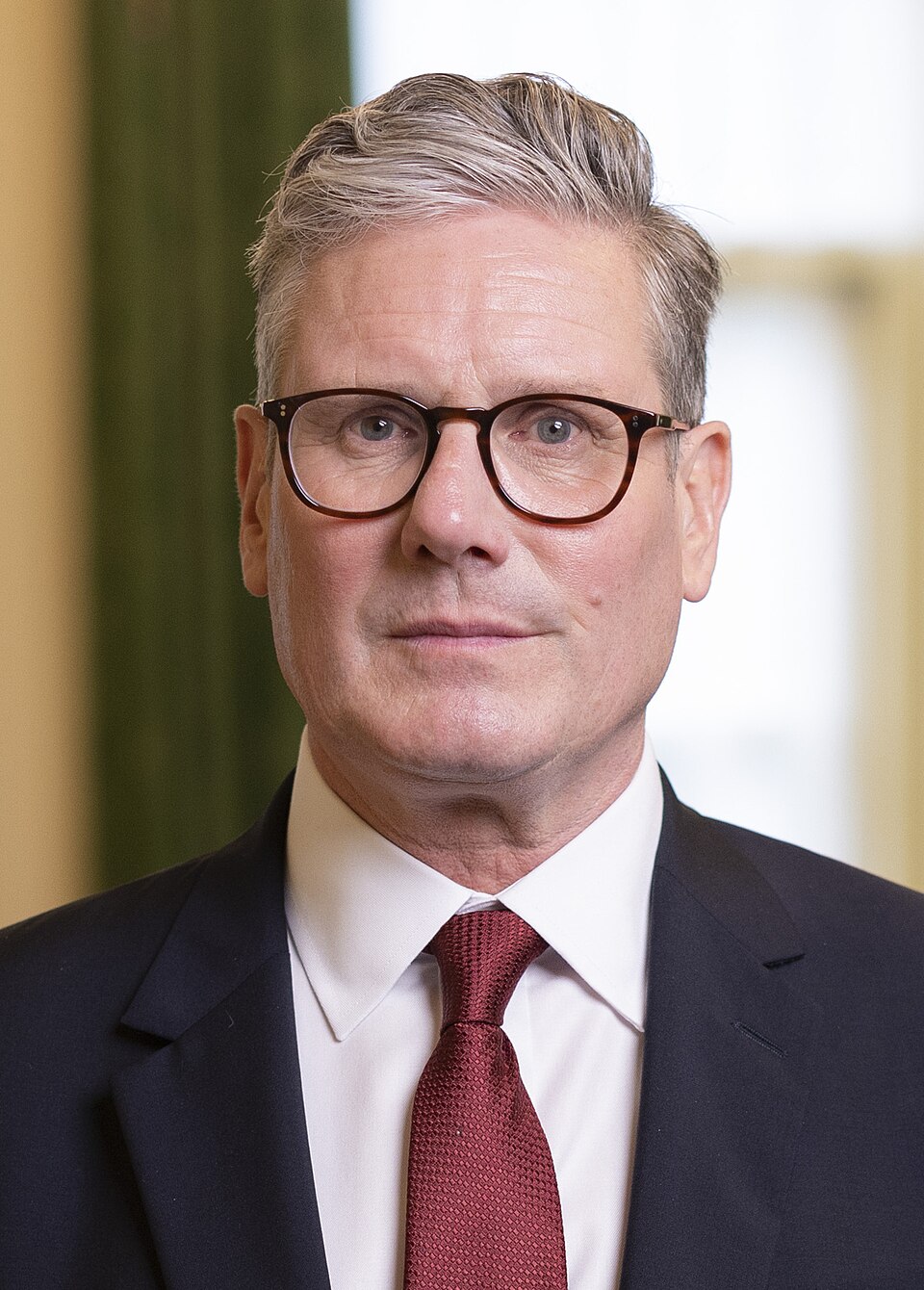
 KS
KS

Automatic translation into English is shown. It is cached for future readers; the original remains authoritative.
Dear Prime Minister Starmer,
You became Prime Minister after a period in which many voters felt exhausted by political instability, frequent changes of leadership, economic uncertainty, and declining trust in government.
Many people hoped that your government would bring competence, predictability, and a return to practical administration.
During your first period in office, several positive developments deserve recognition.
Your government has generally demonstrated a calmer and more disciplined style than some of its predecessors. Political scandals that dominated public discussion in previous years have become less frequent. Relations with European partners have also become more constructive, reducing tensions that often characterized the post-Brexit period.
Your government has expressed support for long-term industrial development, investment, infrastructure modernization, and the strengthening of public services. Efforts have been made to address problems within the National Health Service, which remains one of the most important institutions in British public life.
However, significant concerns remain.
Economic growth has not yet produced a noticeable improvement in living standards for many households. Housing affordability remains a serious problem, particularly for younger generations. In many regions, people continue to feel that opportunities are concentrated in London and the South East while other parts of the country receive insufficient attention.
Immigration remains one of the most politically sensitive issues facing the United Kingdom. Many voters expected stronger control of both legal and illegal migration. So far, the government has struggled to convince a large part of the public that it has a clear and effective solution.
Public finances also remain under pressure. The government faces difficult choices between increasing spending, increasing taxation, or accepting higher levels of public debt. None of these options are politically easy.
Critics additionally argue that your government has sometimes appeared more focused on careful management than on ambitious reform. Stability is valuable, but stability alone rarely inspires a nation or solves long-standing structural problems.
Supporters would respond that repairing institutions after years of political turbulence requires patience, discipline, and realism rather than dramatic gestures.
Perhaps the central question of your premiership is this:
Can competent administration alone restore public confidence, or does the country now expect deeper and more visible change?
At present, your government appears more effective at reducing political chaos than at generating public enthusiasm.
That is not a failure. But it is not yet a transformation.
My overall assessment:
3 out of 5.
A serious and competent Prime Minister who has improved stability and professionalism in government, but who has not yet demonstrated major progress on the issues that most directly affect everyday life: economic growth, housing affordability, migration, and public confidence in national direction.
Respectfully,
A Citizen of the World
You became Prime Minister after a period in which many voters felt exhausted by political instability, frequent changes of leadership, economic uncertainty, and declining trust in government.
Many people hoped that your government would bring competence, predictability, and a return to practical administration.
During your first period in office, several positive developments deserve recognition.
Your government has generally demonstrated a calmer and more disciplined style than some of its predecessors. Political scandals that dominated public discussion in previous years have become less frequent. Relations with European partners have also become more constructive, reducing tensions that often characterized the post-Brexit period.
Your government has expressed support for long-term industrial development, investment, infrastructure modernization, and the strengthening of public services. Efforts have been made to address problems within the National Health Service, which remains one of the most important institutions in British public life.
However, significant concerns remain.
Economic growth has not yet produced a noticeable improvement in living standards for many households. Housing affordability remains a serious problem, particularly for younger generations. In many regions, people continue to feel that opportunities are concentrated in London and the South East while other parts of the country receive insufficient attention.
Immigration remains one of the most politically sensitive issues facing the United Kingdom. Many voters expected stronger control of both legal and illegal migration. So far, the government has struggled to convince a large part of the public that it has a clear and effective solution.
Public finances also remain under pressure. The government faces difficult choices between increasing spending, increasing taxation, or accepting higher levels of public debt. None of these options are politically easy.
Critics additionally argue that your government has sometimes appeared more focused on careful management than on ambitious reform. Stability is valuable, but stability alone rarely inspires a nation or solves long-standing structural problems.
Supporters would respond that repairing institutions after years of political turbulence requires patience, discipline, and realism rather than dramatic gestures.
Perhaps the central question of your premiership is this:
Can competent administration alone restore public confidence, or does the country now expect deeper and more visible change?
At present, your government appears more effective at reducing political chaos than at generating public enthusiasm.
That is not a failure. But it is not yet a transformation.
My overall assessment:
3 out of 5.
A serious and competent Prime Minister who has improved stability and professionalism in government, but who has not yet demonstrated major progress on the issues that most directly affect everyday life: economic growth, housing affordability, migration, and public confidence in national direction.
Respectfully,
A Citizen of the World
Reader response
Report
Share URL: https://lettertoleader.com/en/united-kingdom/prime-minister/58-open-letter-to-prime-minister-keir-starmer