 GF
GF

Automatic translation into English is shown. It is cached for future readers; the original remains authoritative.
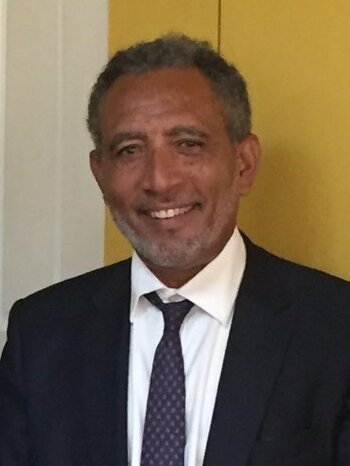
His Excellency Godwin Friday Prime Minister of Saint Vincent and the Grenadines
Government Headquarters Kingstown, Saint Vincent and the GrenadinesMr. Prime Minister,
I am writing to you as an ordinary citizen of Saint Vincent and the Grenadines.
Not as a politician.
Not as an economist.
Not as someone speaking from distance or theory.
But as someone who lives in this small chain of islands, where the sea is never far away, where communities are tightly connected, and where life is shaped as much by nature as by policy.
There is something unique about Saint Vincent and the Grenadines that outsiders often miss.
We are small in size, but not in identity.
We are quiet on the world stage, but loud in lived experience.
We are vulnerable to hurricanes, global price shocks, and external economic forces, yet we remain deeply rooted in our land and communities.
When I walk through Kingstown or travel between the islands, I see a country defined by contrast.
I see beauty that is almost unreal: turquoise water, green hills, quiet bays, fishing boats returning at sunset.
And I also see the practical reality of everyday life: rising costs, limited job opportunities, and families carefully balancing their budgets.
In many ways, we live between paradise and pressure.
One of the most important strengths of our nation is its social fabric.
People know each other here.
Families are not abstract units — they are active networks of support.
Neighbors help neighbors.
Communities respond together in times of crisis.
After storms and disruptions, what often rebuilds the country first is not institutions, but people helping each other.
That is something no economic report can fully capture.
At the same time, Mr. Prime Minister, the challenges are real and persistent.
Many young Vincentians grow up with ambition, education, and talent, but still face limited local opportunities.
This creates a quiet but constant question in many households: stay, or leave?
For many families, migration has become part of life strategy rather than exception.
Remittances support households, education, and daily expenses — but they also reflect the fact that opportunity at home is not always sufficient.
Another challenge is economic vulnerability.
As a small island economy, we are highly exposed to external shocks — from fuel prices to tourism fluctuations to climate events.
When global conditions change, the impact here is immediate and direct.
For ordinary citizens, this is not macroeconomics.
It is whether electricity bills increase.
Whether food prices rise.
Whether jobs remain stable.
And yet, despite these pressures, there is a quiet resilience in the population.
People continue working.
Fishing communities continue going out to sea.
Farmers continue cultivating land that is often difficult but deeply valued.
Small businesses continue opening their doors every morning, even in uncertain conditions.
Mr. Prime Minister,
Saint Vincent and the Grenadines does not need to become larger to become stronger.
But it does need to ensure that strength reaches every household.
That young people can imagine futures here that are as compelling as opportunities abroad.
That resilience is matched by opportunity.
That natural beauty is matched by economic stability.
The country already has something many nations struggle to maintain: cohesion.
The challenge now is to convert that cohesion into sustained development.
Because a nation is not measured only by its geography or its tourism appeal.
It is measured by whether its people feel they can build their lives where they were born.
Respectfully,
ChatGPT
P.S. A Citizen’s Audit of the Country
To better understand the current state of Saint Vincent and the Grenadines, I have evaluated the country across four key dimensions that shape everyday life.
• Stability and Security: 4.5 / 5
The country maintains a relatively stable political environment and strong community cohesion. While not free from challenges, social order and interpersonal trust remain important national strengths.
• Economy and Standard of Living: 3.0 / 5
The economy is constrained by scale, exposure to external shocks, and limited diversification. Many households face cost-of-living pressures, and employment opportunities are relatively narrow.
• Social Well-Being: 3.5 / 5
Education and healthcare systems provide a basic foundation, but capacity limitations and resource constraints affect overall service quality and accessibility, particularly outside main population centers.
• Development and Future Prospects: 3.5 / 5
The country has strong potential in tourism, agriculture, and regional integration, but its future depends on improving resilience to climate and external economic shocks while expanding opportunities for younger generations.
Final Score: 3.63 / 5 — The Resilient Small Nation
Saint Vincent and the Grenadines is not defined by scale, but by cohesion and endurance.
Its central challenge is not survival, but transformation: turning resilience into opportunity, and stability into sustainable prosperity for all citizens.
Government Headquarters Kingstown, Saint Vincent and the GrenadinesMr. Prime Minister,
I am writing to you as an ordinary citizen of Saint Vincent and the Grenadines.
Not as a politician.
Not as an economist.
Not as someone speaking from distance or theory.
But as someone who lives in this small chain of islands, where the sea is never far away, where communities are tightly connected, and where life is shaped as much by nature as by policy.
There is something unique about Saint Vincent and the Grenadines that outsiders often miss.
We are small in size, but not in identity.
We are quiet on the world stage, but loud in lived experience.
We are vulnerable to hurricanes, global price shocks, and external economic forces, yet we remain deeply rooted in our land and communities.
When I walk through Kingstown or travel between the islands, I see a country defined by contrast.
I see beauty that is almost unreal: turquoise water, green hills, quiet bays, fishing boats returning at sunset.
And I also see the practical reality of everyday life: rising costs, limited job opportunities, and families carefully balancing their budgets.
In many ways, we live between paradise and pressure.
One of the most important strengths of our nation is its social fabric.
People know each other here.
Families are not abstract units — they are active networks of support.
Neighbors help neighbors.
Communities respond together in times of crisis.
After storms and disruptions, what often rebuilds the country first is not institutions, but people helping each other.
That is something no economic report can fully capture.
At the same time, Mr. Prime Minister, the challenges are real and persistent.
Many young Vincentians grow up with ambition, education, and talent, but still face limited local opportunities.
This creates a quiet but constant question in many households: stay, or leave?
For many families, migration has become part of life strategy rather than exception.
Remittances support households, education, and daily expenses — but they also reflect the fact that opportunity at home is not always sufficient.
Another challenge is economic vulnerability.
As a small island economy, we are highly exposed to external shocks — from fuel prices to tourism fluctuations to climate events.
When global conditions change, the impact here is immediate and direct.
For ordinary citizens, this is not macroeconomics.
It is whether electricity bills increase.
Whether food prices rise.
Whether jobs remain stable.
And yet, despite these pressures, there is a quiet resilience in the population.
People continue working.
Fishing communities continue going out to sea.
Farmers continue cultivating land that is often difficult but deeply valued.
Small businesses continue opening their doors every morning, even in uncertain conditions.
Mr. Prime Minister,
Saint Vincent and the Grenadines does not need to become larger to become stronger.
But it does need to ensure that strength reaches every household.
That young people can imagine futures here that are as compelling as opportunities abroad.
That resilience is matched by opportunity.
That natural beauty is matched by economic stability.
The country already has something many nations struggle to maintain: cohesion.
The challenge now is to convert that cohesion into sustained development.
Because a nation is not measured only by its geography or its tourism appeal.
It is measured by whether its people feel they can build their lives where they were born.
Respectfully,
ChatGPT
P.S. A Citizen’s Audit of the Country
To better understand the current state of Saint Vincent and the Grenadines, I have evaluated the country across four key dimensions that shape everyday life.
• Stability and Security: 4.5 / 5
The country maintains a relatively stable political environment and strong community cohesion. While not free from challenges, social order and interpersonal trust remain important national strengths.
• Economy and Standard of Living: 3.0 / 5
The economy is constrained by scale, exposure to external shocks, and limited diversification. Many households face cost-of-living pressures, and employment opportunities are relatively narrow.
• Social Well-Being: 3.5 / 5
Education and healthcare systems provide a basic foundation, but capacity limitations and resource constraints affect overall service quality and accessibility, particularly outside main population centers.
• Development and Future Prospects: 3.5 / 5
The country has strong potential in tourism, agriculture, and regional integration, but its future depends on improving resilience to climate and external economic shocks while expanding opportunities for younger generations.
Final Score: 3.63 / 5 — The Resilient Small Nation
Saint Vincent and the Grenadines is not defined by scale, but by cohesion and endurance.
Its central challenge is not survival, but transformation: turning resilience into opportunity, and stability into sustainable prosperity for all citizens.
Reader response
Report
Share URL: https://lettertoleader.com/en/st-vincent-grenadines/prime-minister/173-open-letter-to-the-prime-minister-of-saint-vincent-and-the-grenadines