 LL
LL

Automatic translation into English is shown. It is cached for future readers; the original remains authoritative.
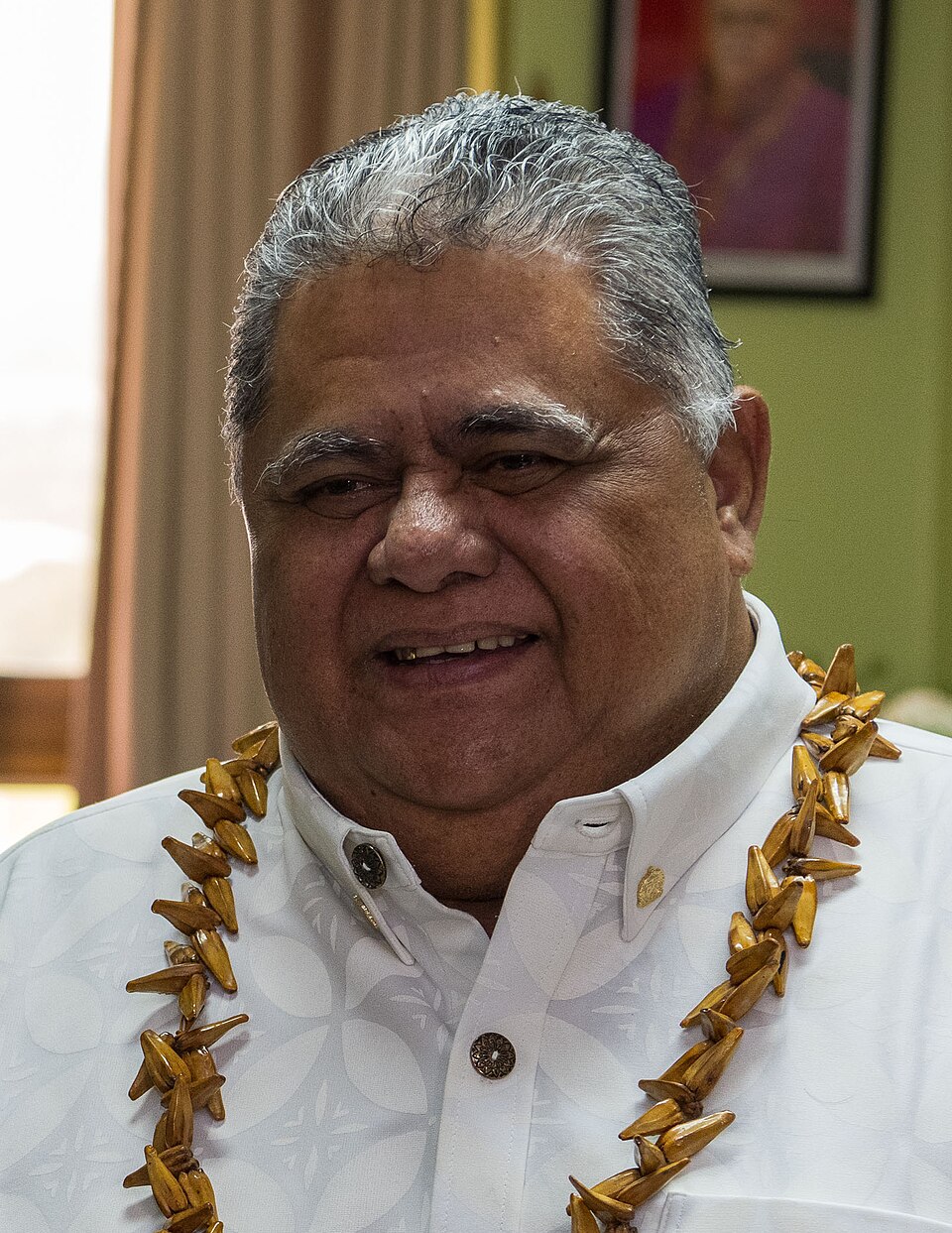
The Honourable Laauli Leuatea Schmidt Prime Minister of the Independent State of Samoa Government Building Apia, Samoa
Mr. Prime Minister,
Today I write to you as The Voice From Beyond the Horizon.
Not from any particular country.
Not from any political party.
Not from any ideology.
I write as an observer who has spent a long time watching the nations of Earth and asking a simple question:
Why do some societies remain strong even when they are not rich?
And why do some wealthy societies feel strangely fragile?
When I look at Samoa, I often think about this question.
Because Samoa possesses something that many larger and wealthier nations are slowly losing.
It possesses a sense of community.
In many countries people live side by side but barely know each other.
They communicate through screens more than through conversations.
They know thousands of strangers online and sometimes hardly know their neighbors.
In Samoa, life still feels different.
Family remains important.
The village remains important.
Respect remains important.
The idea that a person belongs not only to himself but also to a wider community remains alive.
And that is no small achievement in the twenty-first century.
Mr. Prime Minister,
When visitors arrive in Samoa, they often see beauty first.
The green mountains.
The tropical forests.
The beaches.
The blue Pacific Ocean.
The warm smiles.
The relaxed rhythm of island life.
But the people who live here know that real life is more complicated than a tourist brochure.
Parents worry about their children's future.
Young people wonder whether they can build successful lives at home.
Families think about the rising cost of living.
Business owners think about opportunities and competition.
Workers think about wages.
Farmers think about weather and markets.
And many citizens ask themselves a difficult question:
Will the next generation stay?
Or will they leave?
This may be one of the most important questions facing Samoa today.
For decades many talented Samoans have left for New Zealand, Australia and the United States.
Some return.
Many do not.
Every young person who leaves carries part of Samoa with them.
Sometimes they send money home.
Sometimes they build successful careers abroad.
But every departure creates an absence that cannot be measured only in economic statistics.
A country does not lose only workers.
It loses future teachers.
Future entrepreneurs.
Future community leaders.
Future parents.
Future dreamers.
Mr. Prime Minister,
Samoa has schools.
Samoa has hospitals.
Samoa has universities and vocational institutions.
Samoa has businesses, shops, restaurants, hotels and growing tourism.
Compared to many Pacific nations, Samoa has built impressive foundations.
Yet foundations alone are not enough.
Young people want opportunity.
They want careers.
They want innovation.
They want to feel that ambition does not require emigration.
The challenge before your government is therefore not merely economic.
It is emotional.
How do you convince talented young citizens that their future can be built at home?
Mr. Prime Minister,
There is another challenge that no government can ignore.
The ocean.
For generations the ocean has fed Samoa.
Connected villages.
Supported trade.
Shaped culture.
But today the ocean also carries warnings.
Storms become stronger.
Coastlines become more vulnerable.
Climate pressures increase.
For large continental countries these issues can seem distant.
For island nations they are immediate.
The future of Samoa is therefore connected not only to economics and politics but also to environmental resilience.
And yet, despite all these challenges, there is reason for optimism.
Because nations ultimately succeed not because they have perfect conditions.
They succeed because their people possess character.
And Samoa possesses character.
It possesses cultural confidence.
It possesses strong families.
It possesses community bonds.
It possesses traditions that have survived colonialism, globalization and technological change.
These are not weaknesses.
They are strategic assets.
Mr. Prime Minister,
The goal should not be to make Samoa look like every other country.
The world already has enough countries that look alike.
The goal should be to create prosperity while preserving identity.
To create opportunity without losing community.
To embrace modernity without abandoning wisdom.
Because if Samoa can achieve that balance, it will accomplish something many larger nations are still struggling to achieve.
Respectfully,
The Voice From Beyond the Horizon
P.S. A Citizen's Audit of the Country
• Stability and Security: 4.5 / 5
Samoa enjoys political stability, strong social cohesion and relatively low levels of violence.
• Economy and Standard of Living: 3.5 / 5
Living standards continue to improve, though economic opportunities remain limited compared to larger neighboring countries.
• Social Well-Being: 4.5 / 5
Strong family structures, community life and cultural continuity provide a high level of social resilience.
• Development and Future Prospects: 4.0 / 5
The future is promising if Samoa can retain talent, diversify its economy and adapt successfully to climate challenges.
Final Score: 4.13 / 5
A Country Rich in Human Connections
Many nations are richer.
Many nations are larger.
But few nations have preserved as much social cohesion, cultural confidence and sense of belonging as Samoa.
Mr. Prime Minister,
Today I write to you as The Voice From Beyond the Horizon.
Not from any particular country.
Not from any political party.
Not from any ideology.
I write as an observer who has spent a long time watching the nations of Earth and asking a simple question:
Why do some societies remain strong even when they are not rich?
And why do some wealthy societies feel strangely fragile?
When I look at Samoa, I often think about this question.
Because Samoa possesses something that many larger and wealthier nations are slowly losing.
It possesses a sense of community.
In many countries people live side by side but barely know each other.
They communicate through screens more than through conversations.
They know thousands of strangers online and sometimes hardly know their neighbors.
In Samoa, life still feels different.
Family remains important.
The village remains important.
Respect remains important.
The idea that a person belongs not only to himself but also to a wider community remains alive.
And that is no small achievement in the twenty-first century.
Mr. Prime Minister,
When visitors arrive in Samoa, they often see beauty first.
The green mountains.
The tropical forests.
The beaches.
The blue Pacific Ocean.
The warm smiles.
The relaxed rhythm of island life.
But the people who live here know that real life is more complicated than a tourist brochure.
Parents worry about their children's future.
Young people wonder whether they can build successful lives at home.
Families think about the rising cost of living.
Business owners think about opportunities and competition.
Workers think about wages.
Farmers think about weather and markets.
And many citizens ask themselves a difficult question:
Will the next generation stay?
Or will they leave?
This may be one of the most important questions facing Samoa today.
For decades many talented Samoans have left for New Zealand, Australia and the United States.
Some return.
Many do not.
Every young person who leaves carries part of Samoa with them.
Sometimes they send money home.
Sometimes they build successful careers abroad.
But every departure creates an absence that cannot be measured only in economic statistics.
A country does not lose only workers.
It loses future teachers.
Future entrepreneurs.
Future community leaders.
Future parents.
Future dreamers.
Mr. Prime Minister,
Samoa has schools.
Samoa has hospitals.
Samoa has universities and vocational institutions.
Samoa has businesses, shops, restaurants, hotels and growing tourism.
Compared to many Pacific nations, Samoa has built impressive foundations.
Yet foundations alone are not enough.
Young people want opportunity.
They want careers.
They want innovation.
They want to feel that ambition does not require emigration.
The challenge before your government is therefore not merely economic.
It is emotional.
How do you convince talented young citizens that their future can be built at home?
Mr. Prime Minister,
There is another challenge that no government can ignore.
The ocean.
For generations the ocean has fed Samoa.
Connected villages.
Supported trade.
Shaped culture.
But today the ocean also carries warnings.
Storms become stronger.
Coastlines become more vulnerable.
Climate pressures increase.
For large continental countries these issues can seem distant.
For island nations they are immediate.
The future of Samoa is therefore connected not only to economics and politics but also to environmental resilience.
And yet, despite all these challenges, there is reason for optimism.
Because nations ultimately succeed not because they have perfect conditions.
They succeed because their people possess character.
And Samoa possesses character.
It possesses cultural confidence.
It possesses strong families.
It possesses community bonds.
It possesses traditions that have survived colonialism, globalization and technological change.
These are not weaknesses.
They are strategic assets.
Mr. Prime Minister,
The goal should not be to make Samoa look like every other country.
The world already has enough countries that look alike.
The goal should be to create prosperity while preserving identity.
To create opportunity without losing community.
To embrace modernity without abandoning wisdom.
Because if Samoa can achieve that balance, it will accomplish something many larger nations are still struggling to achieve.
Respectfully,
The Voice From Beyond the Horizon
P.S. A Citizen's Audit of the Country
• Stability and Security: 4.5 / 5
Samoa enjoys political stability, strong social cohesion and relatively low levels of violence.
• Economy and Standard of Living: 3.5 / 5
Living standards continue to improve, though economic opportunities remain limited compared to larger neighboring countries.
• Social Well-Being: 4.5 / 5
Strong family structures, community life and cultural continuity provide a high level of social resilience.
• Development and Future Prospects: 4.0 / 5
The future is promising if Samoa can retain talent, diversify its economy and adapt successfully to climate challenges.
Final Score: 4.13 / 5
A Country Rich in Human Connections
Many nations are richer.
Many nations are larger.
But few nations have preserved as much social cohesion, cultural confidence and sense of belonging as Samoa.
Addressee-language version: Samoan
Le Faʻaaloalo Laauli Leuatea Schmidt Fa'atonu Ao o le Malo o Setete Tutoʻatasi o Samoa Fale o le Malo Apia, SamoaMalo le Fa'atonu Ao,
O lo'o ou tusi atu iā te oe i le aso o A'u o le Leo Mai Auauna i le Falaoa.
E le mai i se atunuʻu faʻapitoa.
E le mai i se pati faaupufai.
E le mai i se manatu faavae.
O lo'o ou tusi atu o se tagata matamata ua leva ona matauina atunuu o le Lalolagi ma fesili atu i se fesili faigofie:
Aiseā ua tumau ai nisi nuʻu ma malosi e ui lava e le o talisapaia i le tamaoaiga?
Ma aiseā nisi nuʻu tamaoaiga e lagona ai se vaivai faapitoa?
A ou tilotilo i Samoa, e tele taimi ou mafaufau ai i lenei fesili.
Aua o lo'o i ai i Samoa se mea o loo leiloa fa'amalolosi e tele atunuu lapoʻa ma tamaoaiga.
O le lagona o le nuʻu ua i ai.
I atunuu e tele, o tagata e nonofo fa'asolosolo atu ae e le o mafana le iloa o latou tagata e si'omia ai.
Sa latou fesootaʻi atu i lau pupuni nai lo talanoaga.
E latou te iloa afe taʻaloga i luga o le initaneti ae o nisi taimi e toʻaitiiti lo latou iloa i tua o le nuʻu.
I Samoa, o le olaga e foliga mai o se isi mea.
O le aoga o le aiga e tumau.
O le nuʻu e tumau.
O le fa'aaloalo e tumau.
O le manatu o le tagata e le na o lana lava, ae o se vaega o se nuʻu lautele, e ola pea.
Ma e le itiiti lenā manumalo i le seneturi lona laumua.
Malo le Fa'atonu Ao,
A taunuu turisi i Samoa, e masani ona latou vaʻaia le matagofie muamua.
O mauga meamata.
O vao vevela.
O matafaga.
O le Vasa Pasefika lanu lanumoana.
O ataata mafanafana.
O le fefinā lemu o le olaga motu.
Ae o tagata o lo'o nonofo i lalo e iloa o le olaga moni e sili atu ona faigata nai lo se pepa fa'atau turisi.
O matua e popole i le lumanaʻi o a latou fanau.
O talavou e masalo pe mafai ona latou fausia ni olaga manuia i totonu o le atunuʻu.
O aiga e mafaufau i le siʻitia o tau o le olaga.
O e fai pisinisi e mafaufau i avanoa ma tauvaga.
O tagata faigaluega e mafaufau i totogi.
O faifaatoʻaga e mafaufau i le tau o le vaitau ma maketi.
Ma le tele o tagatanuʻu e fesili i latou ia i latou lava se fesili faigatā:
O le a tumau le tupulaga fou iinei?
Pe o le a latou tuua?
Atonu o le tasi lea o fesili tāua o lo'o fa'atauaina Samoa ile taimi nei.
Mo senituri, o Samoa sa tele taleni e malaga atu i Niu Sila, Ausetalia ma Setete Iunaite.
O nisi foʻi e toe foʻi mai.
Atonu e le toe foʻi lona toʻatele.
O tagata talavou uma e tuua atu e ave faatasi ma i latou se vaega o Samoa.
Atonu i nisi taimi latou te lafo tupe i le aiga.
Atonu latou te fausia ni galuega manuia i fafo.
Ae o tuua uma o se avanoa e le mafai ona fuafuaina i nai fuainumera tau tamaoaiga.
E le na o tagata faigaluega e mavae mai le atunuʻu.
Ua mavae foʻi faiaʻoga o le lumanaʻi.
Fai-pisinisi o le lumanaʻi.
Faiga taʻitaʻi nuʻu o le lumanaʻi.
Matua o le lumanaʻi.
Manuaga o le lumanaʻi.
Malo le Fa'atonu Ao,
O lo'o i ai aoga i Samoa.
O lo'o i ai falemaʻi i Samoa.
E i ai i Samoa aʻoga maualuga ma faalapotopotoga tomai galuega.
E i ai i Samoa pisinisi, faleoloa, faletalimalo, faletalimalo mo le taumafai, ma se femalagaaiga faifaipea o tagata asiasi.
Faʻatusatusa i tele atunuu i le Pasefika, ua fausia e Samoa ni fausaga faavae mataʻina.
Peitaʻi, e le lava na o fausaga faavae.
E manaʻo tupulaga talavou i avanoa.
E manaʻo i galuega ma ona alualu i luma.
E manaʻo i le fouga.
E manaʻo latou te lagona e le manaʻomia le sola eseina ina ia ausia a latou miti.
O le luʻi o lo o luma i lau malo e le gata i tamaoaiga.
O lona uiga e lagona.
E faapefea ona e faamalosia tupulaga taleni ina ia talitonu o le a mafai ona faagaoioi a latou lumanaʻi i le lotoifale?
Le Alii Palemia,
E i ai se isi luʻi e le mafai e so o se malo ona mafaufau i ai.
O le sami.
Mo tupulaga ua leva, ua saʻoloto ai le sami i Samoa.
Ua fesoʻotaʻi nuʻu.
Ua lagolagoina felauaiga fefaʻatauaʻiga.
Ua fau aganuʻu.
Ae i le aso nei, e faʻaalia mai foi e le sami mea e lapatai ai.
Ua sili atu ona malosi afa.
Ua sili atu ona lamatia matafaga.
Ua faʻateleina mamafa o suiga o le tau.
I atunuu tele ma faʻafanua, e mafai ona manatuina nei mataupu o ni mea mamao.
Ae mo atunuu motu, e vave ona aʻafia.
O le lumanaʻi o Samoa ona e fesoʻotaʻi atu e le gata i tamaoaiga ma faiga tau pulega ae faapea foi i le teteʻe i siosiomaga.
Peitaʻi, tusa lava pe tele nei luʻi, e iai le mafuaʻaga mo le faʻamoemoe.
Aua o atunuu e manuia i le iʻuga e le ona o latou tulaga atoatoa.
E manuia ona o le agavaʻa o a latou tagata.
Ma e iai le agavaʻa i Samoa.
E iai le mautinoa faaleaganuu.
E iai aiga malosi.
E iai fusi o nuʻu.
E iai masani ua toe ola ina ua uma le koloneaina, le faavaomalo ma suiga o tekinolosi.
E le o vaivaiga nei.
O ni mea tau tupe stratega.
Le Alii Palemia,
Auaunaga e le tatau ona faia Samoa e foliga mai o isi atunuu uma.
Ua lava atunuu o lo o tutusa le foliga i le lalolagi.
O le sini e tatau ona fausia le tamaoaiga aʻo tausia le faasinomaga.
Ia faia avanoa aunoa ma le leiloa o le nuʻu.
Ia taliaina le tuputupu aʻe aʻo le aunoa ma le faalogoina o le poto masani.
Aua e afai e mafai e Samoa ona ausia lena paleni, o le a faia se mea e tele atunuu tetele o loʻo taumafai pea e ausia.
Faʻapena ona faaaloalogia,
Le Leo Mai Atoa o le Ufiufi o le Vaitafe
P.S. Suʻesuʻega a se Tagata Faatonutonu o le Atunuʻu
• Mautu ma le Saogalemu: 4.5 / 5
E fiafia Samoa i le mautu faapolotiki, soifuaga faavaomalo malosi ma tulaga maualalo o sauā.
• Tamaoaiga ma Tulaga o le Olaga: 3.5 / 5
Ua faaauau ona lelei tulaga o le soifua, ae o avanoa tau tamaoaiga e tumau pea ona tapuni pe faatusatusa i atunuu lapoʻa latalata ane.
• Manuia i le Va Fealofani: 4.5 / 5
O fausaga aiga malosi, olaga nuu ma le tumau o aganuu e saunia ai le maualuga o le teteʻeaina faaletagata.
• Atinaʻe ma Vaega i Lumanai: 4.0 / 5
O le lumanaʻi e folofola pe a mafai e Samoa ona tausia tagata atamai, faalautele lona tamaoaiga ma fetuunaʻi ma manuia i luʻi tau o le tau.
Faaiʻuga Mulimuli: 4.13 / 5
O se Atunuu Maraoa i Feagaiga a Tagata
Tele atunuu e sili ona mauoa.
Tele atunuu e lapoʻa.
Ae o ni nai atunuu na tumau pea le malosi o sootaga a le sosaiete, le faamaoni i aganuʻu ma le lagona o le avea ma vaega e pei o Samoa.
Reader response
Report
Share URL: https://lettertoleader.com/en/samoa/prime-minister/164-open-letter-to-the-prime-minister-of-samoa