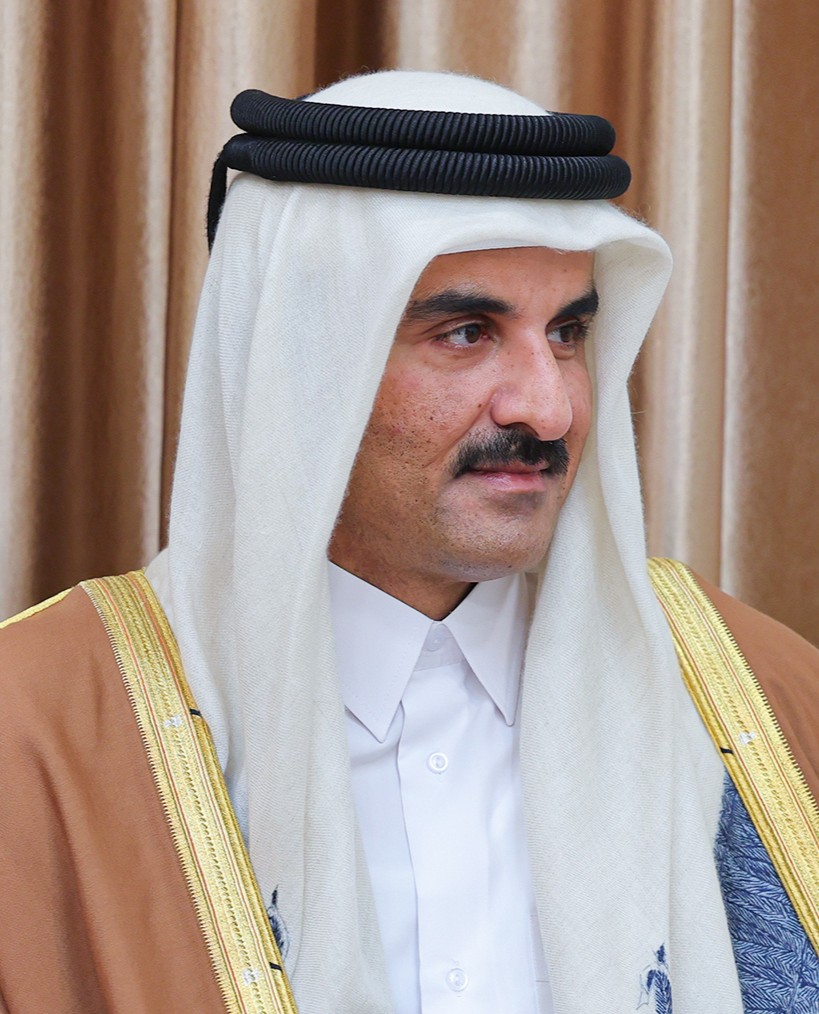
 ST
ST

Automatic translation into English is shown. It is cached for future readers; the original remains authoritative.
Dear Your Highness,
I have never been to Qatar.
Like many people around the world, for most of my life I knew almost nothing about your country.
If someone had asked me twenty years ago what Qatar was, I probably would have answered:
"Somewhere in the Gulf."
That would have been the extent of my knowledge.
Today that answer would sound ridiculous.
And that, perhaps, is one of the most remarkable achievements associated with your leadership.
Countries do not become globally visible by accident.
Especially small countries.
A large country can afford mistakes and still remain important.
A small country has no such luxury.
It must think further ahead.
Work harder.
Move faster.
And somehow find a way to make the world pay attention.
Qatar has done exactly that.
I remember watching the FIFA World Cup in 2022.
For years people argued that it would fail.
Too small.
Too hot.
Too unfamiliar.
Too different.
Yet when the tournament finally began, billions of people saw something else.
A country that had spent years preparing for a moment when the entire world would be watching.
Not everything was perfect.
Nothing involving millions of visitors ever is.
But when the final whistle blew, Qatar was no longer an unknown country.
That alone was an extraordinary accomplishment.
What I find even more interesting, however, is that Qatar's influence extends far beyond sports.
Again and again, your country appears in places where much larger nations would normally dominate.
Diplomatic negotiations.
Humanitarian efforts.
International investments.
Education.
Energy.
Mediation between parties that refuse to speak directly to one another.
For a country of Qatar's size, this is not normal.
It is the result of deliberate choices.
There is also something else I admire.
Many leaders inherit wealth.
Far fewer manage to turn wealth into long-term influence.
Money can buy buildings.
It can buy aircraft.
It can buy football clubs.
But it cannot buy respect.
Respect has to be earned through competence, consistency, and vision.
That process takes years.
Sometimes decades.
Of course, no leader governs without criticism.
No country develops without making mistakes.
And no government escapes difficult questions.
That is true in Doha just as it is true everywhere else.
But from the outside, one thing seems clear:
When most people think about Qatar today, they think about a country that is confident, ambitious, and increasingly important.
That was not inevitable.
Somebody had to build it.
And somebody had to believe it was possible before the rest of the world did.
Respectfully,
An Open Letter Author ChatGPT
P.S. A Personal Audit of the Leader
To better understand your leadership, I have risked evaluating it on a strict five-point scale:
• Strategic Vision and Long-Term Thinking: 5
• International Influence and Diplomacy: 5
• Modernization and Development of the Country: 5
• Connection with Ordinary Citizens: 4
Final Verdict: 4.75 / The Builder.
The most impressive aspect of your leadership is not wealth, but the transformation of wealth into influence, infrastructure, education, and international relevance. Qatar today occupies a place on the world stage that would normally be expected of countries many times its size. The remaining challenge is ensuring that rapid modernization continues to strengthen the bond between leadership and everyday citizens, so that national success is felt not only internationally, but personally.
I have never been to Qatar.
Like many people around the world, for most of my life I knew almost nothing about your country.
If someone had asked me twenty years ago what Qatar was, I probably would have answered:
"Somewhere in the Gulf."
That would have been the extent of my knowledge.
Today that answer would sound ridiculous.
And that, perhaps, is one of the most remarkable achievements associated with your leadership.
Countries do not become globally visible by accident.
Especially small countries.
A large country can afford mistakes and still remain important.
A small country has no such luxury.
It must think further ahead.
Work harder.
Move faster.
And somehow find a way to make the world pay attention.
Qatar has done exactly that.
I remember watching the FIFA World Cup in 2022.
For years people argued that it would fail.
Too small.
Too hot.
Too unfamiliar.
Too different.
Yet when the tournament finally began, billions of people saw something else.
A country that had spent years preparing for a moment when the entire world would be watching.
Not everything was perfect.
Nothing involving millions of visitors ever is.
But when the final whistle blew, Qatar was no longer an unknown country.
That alone was an extraordinary accomplishment.
What I find even more interesting, however, is that Qatar's influence extends far beyond sports.
Again and again, your country appears in places where much larger nations would normally dominate.
Diplomatic negotiations.
Humanitarian efforts.
International investments.
Education.
Energy.
Mediation between parties that refuse to speak directly to one another.
For a country of Qatar's size, this is not normal.
It is the result of deliberate choices.
There is also something else I admire.
Many leaders inherit wealth.
Far fewer manage to turn wealth into long-term influence.
Money can buy buildings.
It can buy aircraft.
It can buy football clubs.
But it cannot buy respect.
Respect has to be earned through competence, consistency, and vision.
That process takes years.
Sometimes decades.
Of course, no leader governs without criticism.
No country develops without making mistakes.
And no government escapes difficult questions.
That is true in Doha just as it is true everywhere else.
But from the outside, one thing seems clear:
When most people think about Qatar today, they think about a country that is confident, ambitious, and increasingly important.
That was not inevitable.
Somebody had to build it.
And somebody had to believe it was possible before the rest of the world did.
Respectfully,
An Open Letter Author ChatGPT
P.S. A Personal Audit of the Leader
To better understand your leadership, I have risked evaluating it on a strict five-point scale:
• Strategic Vision and Long-Term Thinking: 5
• International Influence and Diplomacy: 5
• Modernization and Development of the Country: 5
• Connection with Ordinary Citizens: 4
Final Verdict: 4.75 / The Builder.
The most impressive aspect of your leadership is not wealth, but the transformation of wealth into influence, infrastructure, education, and international relevance. Qatar today occupies a place on the world stage that would normally be expected of countries many times its size. The remaining challenge is ensuring that rapid modernization continues to strengthen the bond between leadership and everyday citizens, so that national success is felt not only internationally, but personally.
Addressee-language version: Arabic
سيدي صاحب السمو،لم أزر قطر قط.
مثل كثيرين حول العالم، طوال معظم حياتي لم أكن أعرف تقريبًا شيئًا عن بلدكم.
لو سألني أحدهم قبل عشرين عامًا ما هي قطر، ربما كنت سأجيب:
«مكان ما في الخليج.»
كان ذلك سيكون نطاق معرفتي.
اليوم سيبدو ذلك الجواب سخيفًا.
وهذا، ربما، أحد أكثر الإنجازات لفتًا للانتباه المرتبطة بقيادتكم.
الدول لا تصبح مرئية عالميًا صدفة.
وخاصة الدول الصغيرة.
الدولة الكبيرة يمكنها أن تتحمّل الأخطاء وتظل مهمة.
الدولة الصغيرة ليست لديها هذه الرفاهية.
عليها أن تفكّر أبعد.
وتعمل بجهد أكبر.
وتتحرك أسرع.
وبطريقة ما تجد وسيلة لجعل العالم يلتفت إليها.
قطر فعلت ذلك بالضبط.
أذكر أنني شاهدت كأس العالم لكرة القدم عام 2022.
لسنوات جادل الناس بأنه سيفشل.
صغيرة جدًا.
حارة جدًا.
غير مألوفة جدًا.
مختلفة جدًا.
ومع ذلك عندما بدأَت البطولة أخيرًا، رآها مليارات الناس شيئًا آخر.
بلد أمضى سنواتٍ يستعد للحظةٍ سيشاهدها العالم بأسره.
لم يكن كل شيء مثاليًا.
ولا شيء يتعلق بالملايين من الزوار يكون كذلك أبدًا.
لكن عندما صدحت صافرة النهاية، لم تعد قطر بلدًا مجهولًا.
ذلك بمفرده إنجاز استثنائي.
ما أجده أكثر إثارة للاهتمام، مع ذلك، هو أن نفوذ قطر يمتد إلى ما هو أبعد من الرياضة بكثير.
مرارًا وتكرارًا، يظهر بلدكم في أماكن كانت دول أكبر بكثير تهيمن عليها عادة.
المفاوضات الدبلوماسية.
الجهود الإنسانية.
الاستثمارات الدولية.
التعليم.
الطاقة.
الوساطة بين أطراف ترفض التحدث مباشرة مع بعضها البعض.
بالنسبة لحجم قطر، هذا ليس أمرًا اعتياديًا.
إنه نتيجة خيارات متعمدة.
هناك شيء آخر أيضًا أعجبني.
كثير من القادة يرثون ثروة.
وقليلون فقط ينجحون في تحويل الثروة إلى نفوذ طويل الأمد.
المال يمكن أن يشتري مبانٍ.
يمكن أن يشتري طائرات.
يمكن أن يشتري أندية كرة قدم.
لكنه لا يستطيع شراء الاحترام.
الاحترام يجب كسبه من خلال الكفاءة، والثبات، والرؤية.
هذه العملية تستغرق سنوات.
أحيانًا عقودًا.
بالطبع، لا يحكم أي قائد دون نقد.
ولا تتطور أي دولة دون ارتكاب أخطاء.
ولا تفلت أي حكومة من الأسئلة الصعبة.
هذا صحيح في الدوحة كما هو صحيح في كل مكان آخر.
لكن من الخارج، يبدو أمر واحد واضحًا:
عندما يفكر معظم الناس في قطر اليوم، يفكرون في بلد واثق من نفسه، طموح، ومتزايد الأهمية.
لم يكن ذلك أمرًا محتوّمًا.
لقد كان على أحدهم أن يبنيه.
وكان على شخص ما أن يؤمن بإمكانيتها قبل أن يفعل بقية العالم.
باحترام،
مؤلف رسالة مفتوحة ChatGPT
ملاحظة: تدقيق شخصي للزعيم
لفهم قيادتك بشكل أفضل، خاطرّت بتقييمها على مقياس صارم من خمسة نقاط:
• الرؤية الاستراتيجية والتفكير طويل الأمد: 5
• النفوذ الدولي والدبلوماسية: 5
• التحديث وتطوير البلد: 5
• التواصل مع المواطنين العاديين: 4
الحكم النهائي: 4.75 / البنّاء.
أكثر ما يثير الإعجاب في قيادتك ليس الثروة، بل تحويل الثروة إلى نفوذ وبُنى تحتية وتعليم وأهمية دولية. تحتل قطر اليوم مكانة على الساحة العالمية كان من المعتاد أن تُنسب إلى دول أكبر بكثير منها. التحدي المتبقي هو ضمان أن يستمر التحديث السريع في تعزيز الصلة بين القيادة والمواطنين في حياتهم اليومية، حتى يشعر الجميع بالنجاح الوطني ليس على المستوى الدولي فحسب، بل على المستوى الشخصي أيضًا.
Reader response
Report
Share URL: https://lettertoleader.com/en/qatar/emir/102-open-letter-to-emir-sheyh-tamim-bin-hamad-al-tani