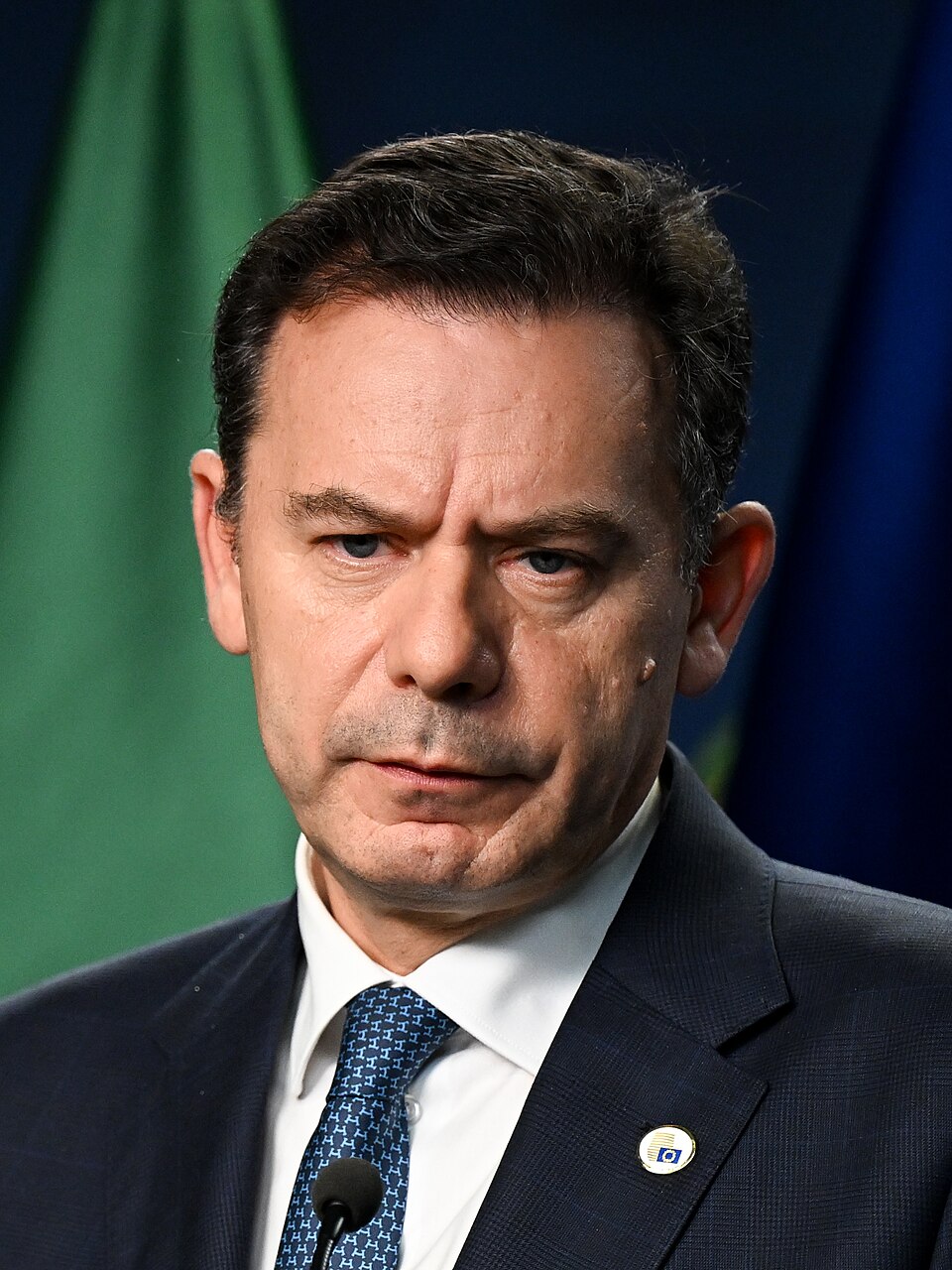
 LM
LM

Automatic translation into English is shown. It is cached for future readers; the original remains authoritative.
Dear Prime Minister,
I am writing this letter to you from Lisbon, sitting on a terrace in Alfama under the warm afternoon sun, watching the famous Tram 28 rattle past. To the outside world, Portugal looks like paradise—a land of eternal sunshine, welcoming people, incredible food, and a magnet for hundreds of thousands of tourists and digital nomads. As Portuguese, we take pride in our openness and hospitality.
But if you step off the tourist trail and look into the residential neighborhoods of Lisbon, Porto, or Coimbra, that postcard-perfect image instantly shatters. Two years have passed since you took office following a prolonged crisis and the collapse of the socialist government. You promised the Portuguese people a "fresh start," tax relief, and an economic breakthrough. Yet today, as we watch our country turn into an affordable playground for wealthy foreigners while locals are priced out of their own homeland, a deep sense of disillusionment is settling in.
Portugal is tired of being Western Europe’s "cheap gem" for visitors and an "expensive trap" for its own citizens. We need radical structural reforms, not cosmetic promises:
The Housing Crisis and the Displacement of a Nation: This is the defining catastrophe of modern Portugal. Driven by unchecked short-term rentals (AirBnB) and tax perks designed for foreign residents, real estate prices have skyrocketed. A young Portuguese professional earning an average salary of €1,100–€1,200 cannot buy a home—they can barely even afford a basic studio apartment in Lisbon. Our youth are emigrating to Germany, France, and the UK in droves because they literally have nowhere to live at home. We don’t need minor housing subsidies; we need strict curbs on real estate speculation and a massive public investment program in affordable housing for local families.
The Chronic Collapse of Public Healthcare (SNS): Our National Health Service is in a state of permanent emergency. Waiting lists to see specialists stretch on for months, emergency rooms in rural areas regularly shut down due to staff shortages, and doctors are migrating to the private sector or moving abroad for better pay. You promised to rescue the SNS, but so far, we are witnessing the steady decay of public medicine. The Portuguese people do not pay heavy taxes only to find hospital doors locked when an emergency strikes.
A Low-Wage Economy and Stagnation: Our economy is trapped in a low-value cycle driven by services and tourism. While tourism breaks records and fills state coffers, it generates fragile, low-paying jobs. Portugal desperately needs re-industrialization, high-tech investment, and serious support for the domestic private sector. The middle class deserves to earn at Central European standards, rather than living paycheck to paycheck and cutting back on basic groceries.
The Migration Backlog and Administrative Chaos: Your government made the right call by ending the controversial manifestação de interesse mechanism, which allowed anyone entering on a tourist visa to regularize their status. It was a necessary step to halt the chaos. However, the migration agency (AIMA) is now buried under a mountain of over 400,000 unresolved cases. People are stranded in a legal vacuum for months without documents, leaving them vulnerable to exploitation in the underground economy. We need a legal, transparent, and strictly managed migration policy that aligns with Portugal's economic interests without creating bureaucratic gridlock.
Mr. Montenegro, you are leading a fragile minority coalition government, forced to walk a political tightrope every day between pressure from the left and the rising influence of the populist Chega party. This is a grueling political theater. But if your administration focuses solely on surviving the next budget vote in the Assembly of the Republic, you will lose the country.
Show true political courage. Stand up to the real estate and tourism lobbies that are squeezing the life out of Portugal. Give our young people a reason to believe they can build a future here—not just be born and grow old here, but build careers, raise children, and live with dignity.
With the urgent demand for decisive action and deep concern for our future,
A Citizen of the Portuguese Republic
P.S. Executive Leadership Audit: Prime Minister Luís Montenegro An evaluation of the Prime Minister's performance and governance after two years in office (on a strict scale from 1 to 5):
Political Survival and Maneuvering: 4.2 (Demonstrates elite political equilibrium, successfully running a minority government and passing legislation through the Assembly without entering a formal alliance with radicals)
Macroeconomic Stability: 4.0 (Maintains strict fiscal discipline, preserves a budget surplus, and steadily reduces public debt, earning high marks from Brussels and international rating agencies)
Addressing Critical Social Crises (Housing & Healthcare): 2.5 (The administration's primary failure. Market-driven incentives to boost construction have done nothing to alleviate the immediate housing crunch for ordinary citizens, and the SNS continues to deteriorate)
Migration Policy and Border Control: 3.5 (Successfully tightened entry requirements to restore legal order, but the executive branch (AIMA) remains paralyzed by the bureaucratic backlog inherited from the previous administration)
Final Verdict: 3.55 / The Tightrope Tech. Luís Montenegro has proven to be a far more resilient and pragmatic leader than analysts predicted in 2024. He has stabilized the nation's finances and kept the country away from disruptive snap elections. However, his purely technocratic, centrist approach is failing to heal Portugal's deepest social wounds. If his government does not tame the cost-of-living and housing crises soon, macroeconomic stability will mean very little to an aging population watching its brightest young minds leave the country.
I am writing this letter to you from Lisbon, sitting on a terrace in Alfama under the warm afternoon sun, watching the famous Tram 28 rattle past. To the outside world, Portugal looks like paradise—a land of eternal sunshine, welcoming people, incredible food, and a magnet for hundreds of thousands of tourists and digital nomads. As Portuguese, we take pride in our openness and hospitality.
But if you step off the tourist trail and look into the residential neighborhoods of Lisbon, Porto, or Coimbra, that postcard-perfect image instantly shatters. Two years have passed since you took office following a prolonged crisis and the collapse of the socialist government. You promised the Portuguese people a "fresh start," tax relief, and an economic breakthrough. Yet today, as we watch our country turn into an affordable playground for wealthy foreigners while locals are priced out of their own homeland, a deep sense of disillusionment is settling in.
Portugal is tired of being Western Europe’s "cheap gem" for visitors and an "expensive trap" for its own citizens. We need radical structural reforms, not cosmetic promises:
The Housing Crisis and the Displacement of a Nation: This is the defining catastrophe of modern Portugal. Driven by unchecked short-term rentals (AirBnB) and tax perks designed for foreign residents, real estate prices have skyrocketed. A young Portuguese professional earning an average salary of €1,100–€1,200 cannot buy a home—they can barely even afford a basic studio apartment in Lisbon. Our youth are emigrating to Germany, France, and the UK in droves because they literally have nowhere to live at home. We don’t need minor housing subsidies; we need strict curbs on real estate speculation and a massive public investment program in affordable housing for local families.
The Chronic Collapse of Public Healthcare (SNS): Our National Health Service is in a state of permanent emergency. Waiting lists to see specialists stretch on for months, emergency rooms in rural areas regularly shut down due to staff shortages, and doctors are migrating to the private sector or moving abroad for better pay. You promised to rescue the SNS, but so far, we are witnessing the steady decay of public medicine. The Portuguese people do not pay heavy taxes only to find hospital doors locked when an emergency strikes.
A Low-Wage Economy and Stagnation: Our economy is trapped in a low-value cycle driven by services and tourism. While tourism breaks records and fills state coffers, it generates fragile, low-paying jobs. Portugal desperately needs re-industrialization, high-tech investment, and serious support for the domestic private sector. The middle class deserves to earn at Central European standards, rather than living paycheck to paycheck and cutting back on basic groceries.
The Migration Backlog and Administrative Chaos: Your government made the right call by ending the controversial manifestação de interesse mechanism, which allowed anyone entering on a tourist visa to regularize their status. It was a necessary step to halt the chaos. However, the migration agency (AIMA) is now buried under a mountain of over 400,000 unresolved cases. People are stranded in a legal vacuum for months without documents, leaving them vulnerable to exploitation in the underground economy. We need a legal, transparent, and strictly managed migration policy that aligns with Portugal's economic interests without creating bureaucratic gridlock.
Mr. Montenegro, you are leading a fragile minority coalition government, forced to walk a political tightrope every day between pressure from the left and the rising influence of the populist Chega party. This is a grueling political theater. But if your administration focuses solely on surviving the next budget vote in the Assembly of the Republic, you will lose the country.
Show true political courage. Stand up to the real estate and tourism lobbies that are squeezing the life out of Portugal. Give our young people a reason to believe they can build a future here—not just be born and grow old here, but build careers, raise children, and live with dignity.
With the urgent demand for decisive action and deep concern for our future,
A Citizen of the Portuguese Republic
P.S. Executive Leadership Audit: Prime Minister Luís Montenegro An evaluation of the Prime Minister's performance and governance after two years in office (on a strict scale from 1 to 5):
Political Survival and Maneuvering: 4.2 (Demonstrates elite political equilibrium, successfully running a minority government and passing legislation through the Assembly without entering a formal alliance with radicals)
Macroeconomic Stability: 4.0 (Maintains strict fiscal discipline, preserves a budget surplus, and steadily reduces public debt, earning high marks from Brussels and international rating agencies)
Addressing Critical Social Crises (Housing & Healthcare): 2.5 (The administration's primary failure. Market-driven incentives to boost construction have done nothing to alleviate the immediate housing crunch for ordinary citizens, and the SNS continues to deteriorate)
Migration Policy and Border Control: 3.5 (Successfully tightened entry requirements to restore legal order, but the executive branch (AIMA) remains paralyzed by the bureaucratic backlog inherited from the previous administration)
Final Verdict: 3.55 / The Tightrope Tech. Luís Montenegro has proven to be a far more resilient and pragmatic leader than analysts predicted in 2024. He has stabilized the nation's finances and kept the country away from disruptive snap elections. However, his purely technocratic, centrist approach is failing to heal Portugal's deepest social wounds. If his government does not tame the cost-of-living and housing crises soon, macroeconomic stability will mean very little to an aging population watching its brightest young minds leave the country.
Addressee-language version: Portuguese
Caro Primeiro-Ministro,Escrevo-lhe esta carta a partir de Lisboa, sentado numa esplanada na Alfama sob o quente sol da tarde, observando o famoso elétrico 28 a percorrer a rua com seu barulho característico. Para o mundo exterior, Portugal parece um paraíso — uma terra de sol eterno, gente acolhedora, comida incrível e um íman para centenas de milhares de turistas e nômades digitais. Como portugueses, orgulhamo-nos da nossa abertura e hospitalidade.
Mas se sair do circuito turístico e olhar para os bairros residenciais de Lisboa, Porto ou Coimbra, essa imagem de postal estilhaça-se instantaneamente. Já passaram dois anos desde que tomou posse, após uma crise prolongada e o colapso do governo socialista. Prometeu ao povo português um "recomeço", alívio fiscal e uma viragem económica. Contudo, hoje, enquanto vemos o nosso país transformar‑se num parque de diversões acessível para estrangeiros ricos, enquanto os locais são expulsos da sua própria terra, instala‑se um profundo sentimento de desilusão.
Portugal está cansado de ser a "jóia barata" da Europa Ocidental para visitantes e uma "armadilha cara" para os seus próprios cidadãos. Precisamos de reformas estruturais radicais, não de promessas cosméticas:
A crise habitacional e o despejo de uma nação: Esta é a catástrofe definidora do Portugal moderno. Impulsionados por arrendamentos de curta duração descontrolados (Airbnb) e benefícios fiscais concebidos para residentes estrangeiros, os preços imobiliários dispararam. Um jovem profissional português que aufere um salário médio de €1.100–€1.200 não consegue comprar uma casa — mal consegue sequer pagar um estúdio básico em Lisboa. A nossa juventude está a emigrar em massa para a Alemanha, França e Reino Unido porque literalmente não têm onde viver em casa. Não precisamos de subsídios habitacionais menores; precisamos de limites rígidos à especulação imobiliária e de um programa público maciço de investimento em habitação acessível para famílias locais.
O colapso crónico da saúde pública (SNS): O nosso Serviço Nacional de Saúde encontra‑se num estado de emergência permanente. As listas de espera para consultas com especialistas estendem‑se por meses, os serviços de urgência em zonas rurais fecham regularmente por falta de pessoal, e os médicos migram para o setor privado ou mudam‑se para o estrangeiro em busca de melhor remuneração. Prometeu resgatar o SNS, mas até agora assistimos à decadência sustentada da medicina pública. O povo português não paga impostos pesados só para encontrar portas de hospitais fechadas quando surge uma emergência.
Uma economia de baixos salários e estagnação: A nossa economia está presa num ciclo de baixo valor impulsionado pelos serviços e pelo turismo. Embora o turismo bata recordes e encha os cofres do Estado, gera empregos frágeis e mal remunerados. Portugal precisa desesperadamente de reindustrialização, investimento em alta tecnologia e apoio sério ao setor privado nacional. A classe média merece ganhar ao nível da Europa Central, em vez de viver de salário em salário e cortar nas compras básicas de supermercado.
O atraso migratório e o caos administrativo: O seu governo tomou a decisão correta ao acabar com o controverso mecanismo de manifestação de interesse, que permitia a qualquer pessoa que entrasse com visto de turista regularizar a sua situação. Foi um passo necessário para travar o caos. No entanto, a agência de migração (AIMA) está agora enterrada sob uma montanha de mais de 400.000 processos por resolver. As pessoas ficam à deriva num vazio jurídico durante meses sem documentos, deixando-as vulneráveis à exploração na economia subterrânea. Precisamos de uma política migratória legal, transparente e estritamente gerida que alinhe os interesses económicos de Portugal sem criar um bloqueio burocrático.
Sr. Montenegro, o senhor lidera um frágil governo de coligação minoritária, forçado a andar numa corda bamba política todos os dias entre a pressão da esquerda e a influência crescente do partido populista Chega. Isto é um teatro político extenuante. Mas se a sua administração se concentrar apenas em sobreviver à próxima votação do orçamento na Assembleia da República, perderá o país.
Mostre verdadeira coragem política. Enfrente os lobbies do imobiliário e do turismo que estão a espremer a vida de Portugal. Dê aos nossos jovens uma razão para acreditar que podem construir um futuro aqui — não apenas nascer e envelhecer aqui, mas fazer carreiras, criar filhos e viver com dignidade.
Com o urgente apelo a ações decisivas e profunda preocupação pelo nosso futuro,
Um Cidadão da República Portuguesa
P.S. Auditoria da Liderança Executiva: Primeiro-Ministro Luís Montenegro Uma avaliação do desempenho e da governação do Primeiro-Ministro após dois anos no cargo (numa escala estrita de 1 a 5):
Sobrevivência política e manobra: 4,2 (Demonstra equilíbrio político da elite, gerindo com sucesso um governo minoritário e aprovando legislação na Assembleia sem entrar numa aliança formal com radicais)
Estabilidade macroeconómica: 4,0 (Mantém disciplina fiscal rigorosa, preserva um saldo orçamental positivo e reduz progressivamente a dívida pública, merecendo boas notas de Bruxelas e das agências de rating internacionais)
Abordagem das Crises Sociais Críticas (Habitação e Saúde): 2,5 (A principal falha da administração. Os incentivos orientados pelo mercado para impulsionar a construção não fizeram nada para aliviar a crise habitacional imediata dos cidadãos comuns, e o SNS continua a deteriorar-se)
Política de Migração e Controlo de Fronteiras: 3,5 (Requisitos de entrada apertados foram aplicados com sucesso para restaurar a ordem legal, mas o executivo (AIMA) continua paralisado pelo atraso burocrático herdado da administração anterior)
Veredito Final: 3,55 / A Técnica do Fio de Navalha. Luís Montenegro provou ser um líder muito mais resiliente e pragmático do que os analistas previram em 2024. Ele estabilizou as finanças do país e manteve o país afastado de eleições-relâmpago disruptivas. Contudo, a sua abordagem puramente tecnocrática e centrista está a falhar em curar as feridas sociais mais profundas de Portugal. Se o seu governo não dominar em breve a crise do custo de vida e da habitação, a estabilidade macroeconómica valerá muito pouco para uma população envelhecida que vê as suas melhores mentes jovens abandonar o país.
Reader response
Report
Share URL: https://lettertoleader.com/en/portugal/prime-minister/159-an-open-letter-to-prime-minister-luis-montenegro