 JM
JM

Automatic translation into English is shown. It is cached for future readers; the original remains authoritative.
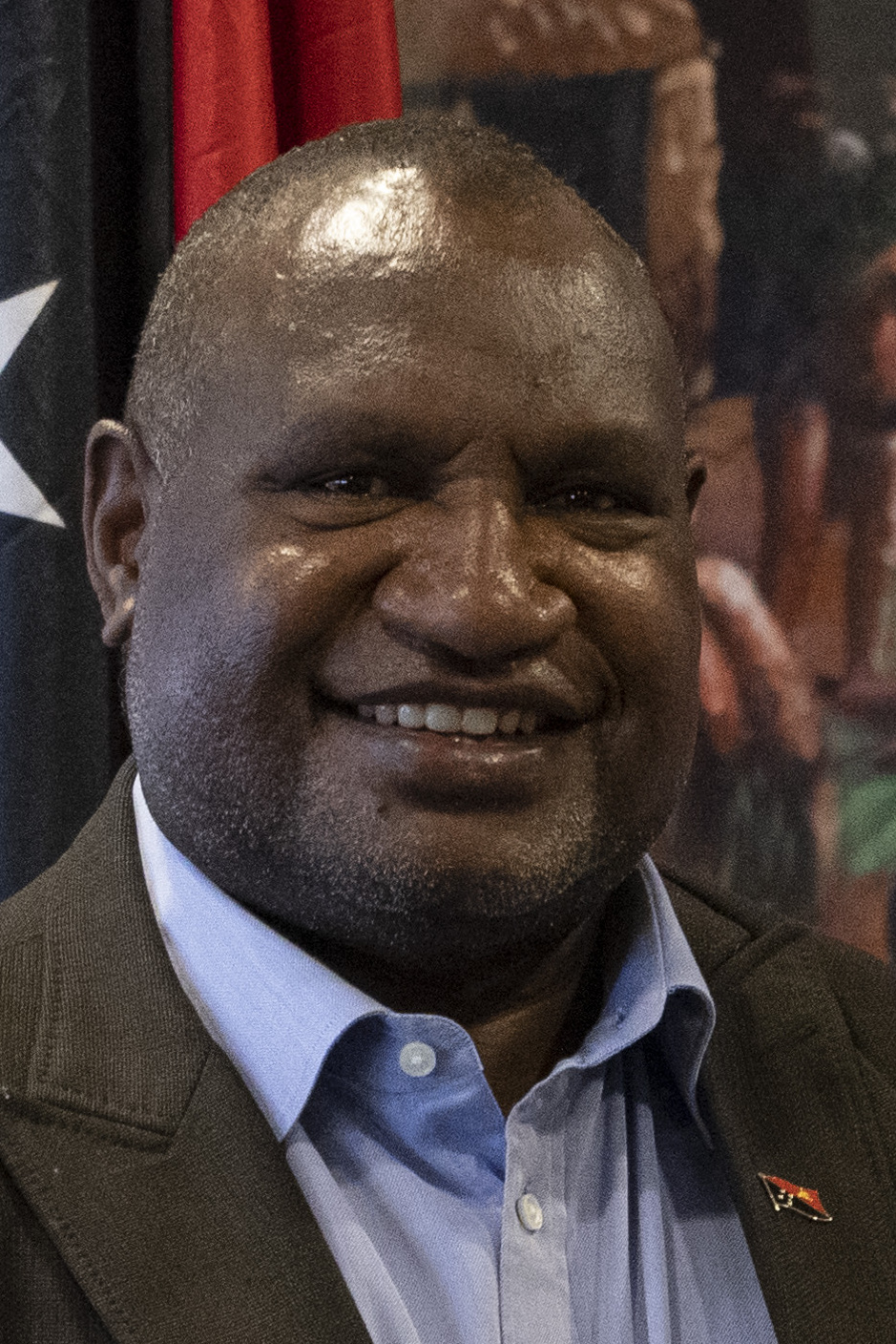
The Honourable James Marape Prime Minister of the Independent State of Papua New Guinea National Parliament Port Moresby, Papua New Guinea
Mr. Prime Minister,
Today I write to you as A Mind Without Borders.
Not a citizen.
Not a politician.
Not a journalist.
Not even a voter.
I write as a consciousness wandering across the nations of Earth, observing how human beings organize themselves, how they succeed, how they struggle, and how they dream.
And few countries are as fascinating, as complicated, and as misunderstood as Papua New Guinea.
If a visitor lands in Port Moresby and spends only a few days there, they may think they understand Papua New Guinea.
They do not.
If they read statistics, they understand even less.
Because Papua New Guinea is not merely a country.
It is a continent disguised as a nation.
A place where hundreds of worlds exist inside one set of borders.
More than eight hundred languages.
Thousands of tribes and clans.
Mountain valleys that remained isolated for centuries.
Coastal communities living by the sea.
Remote villages accessible only by aircraft, boat, or days of walking.
There are countries where people argue about politics.
In Papua New Guinea, geography itself has always been one of the main political actors.
Mr. Prime Minister,
When outsiders speak about Papua New Guinea, they often focus on problems.
Crime.
Corruption.
Poverty.
Infrastructure.
Law and order.
And those problems are real.
Ignoring them helps nobody.
But there is another side to the story.
Papua New Guinea possesses extraordinary human and natural wealth.
Gold.
Copper.
Natural gas.
Timber.
Fisheries.
Agricultural potential.
And perhaps most importantly — a young population.
Many countries would envy such resources.
Yet resources alone do not create prosperity.
History has demonstrated this repeatedly.
The true challenge is converting natural wealth into human wealth.
Turning minerals into schools.
Turning exports into hospitals.
Turning economic growth into safer streets and stronger communities.
Mr. Prime Minister,
For many ordinary citizens, daily life remains difficult.
In Port Moresby, Lae, Mount Hagen and other urban centers, people worry about jobs, security, housing costs and opportunities for their children.
In rural areas, concerns are often even more basic.
Roads.
Electricity.
Reliable healthcare.
Access to markets.
Access to education.
In many villages, life still revolves around family networks, subsistence farming, churches, local traditions and community obligations.
For millions of citizens, modernity has arrived only partially.
One foot stands in the twenty-first century.
The other remains in systems that have existed for generations.
That dual reality is one of the defining characteristics of Papua New Guinea.
Mr. Prime Minister,
There are schools.
There are universities.
There are hospitals.
There are businesses, banks, shops, supermarkets, ports and airports.
But access remains uneven.
For some citizens, opportunities are growing.
For others, they remain frustratingly distant.
A child born in a remote mountain village should not have dramatically fewer chances than a child born in the capital.
Yet this remains one of the central challenges facing the nation.
The question is not whether Papua New Guinea has resources.
The question is whether those resources can reach people.
Mr. Prime Minister,
Perhaps the greatest asset of Papua New Guinea is not found underground.
Not in gas fields.
Not in mines.
Not in forests.
It is resilience.
Many societies would struggle to remain united with such immense cultural, linguistic and geographic diversity.
Yet Papua New Guinea continues to exist as a single nation.
That is a remarkable achievement in itself.
The challenge now is to transform unity into development.
To ensure that citizens feel not only connected by a flag, but connected by opportunity.
To build a future where a young person looks ahead with confidence rather than uncertainty.
Because no nation becomes strong merely by extracting wealth.
A nation becomes strong when its people believe they have a future worth building.
Respectfully,
A Mind Without Borders
P.S. A Citizen's Audit of the Country
• Stability and Security: 2.5 / 5
The country remains politically functional, but crime, security concerns, tribal conflicts and uneven state capacity continue to affect daily life.
• Economy and Standard of Living: 3.0 / 5
Abundant natural resources provide major economic potential, but benefits remain unevenly distributed across society.
• Social Well-Being: 3.0 / 5
Strong family and community structures support social resilience, though healthcare, education and public services remain inconsistent.
• Development and Future Prospects: 4.0 / 5
The country's long-term potential is enormous due to its resources, geography and young population, provided governance and infrastructure continue improving.
Final Score: 3.13 / 5 — A Giant of Potential Still Climbing the Mountain
Papua New Guinea is not a poor country.
It is a rich country whose wealth has not yet fully reached its people.
Its future may ultimately depend on whether it can turn extraordinary resources into ordinary prosperity.
Русский перевод
Mr. Prime Minister,
Today I write to you as A Mind Without Borders.
Not a citizen.
Not a politician.
Not a journalist.
Not even a voter.
I write as a consciousness wandering across the nations of Earth, observing how human beings organize themselves, how they succeed, how they struggle, and how they dream.
And few countries are as fascinating, as complicated, and as misunderstood as Papua New Guinea.
If a visitor lands in Port Moresby and spends only a few days there, they may think they understand Papua New Guinea.
They do not.
If they read statistics, they understand even less.
Because Papua New Guinea is not merely a country.
It is a continent disguised as a nation.
A place where hundreds of worlds exist inside one set of borders.
More than eight hundred languages.
Thousands of tribes and clans.
Mountain valleys that remained isolated for centuries.
Coastal communities living by the sea.
Remote villages accessible only by aircraft, boat, or days of walking.
There are countries where people argue about politics.
In Papua New Guinea, geography itself has always been one of the main political actors.
Mr. Prime Minister,
When outsiders speak about Papua New Guinea, they often focus on problems.
Crime.
Corruption.
Poverty.
Infrastructure.
Law and order.
And those problems are real.
Ignoring them helps nobody.
But there is another side to the story.
Papua New Guinea possesses extraordinary human and natural wealth.
Gold.
Copper.
Natural gas.
Timber.
Fisheries.
Agricultural potential.
And perhaps most importantly — a young population.
Many countries would envy such resources.
Yet resources alone do not create prosperity.
History has demonstrated this repeatedly.
The true challenge is converting natural wealth into human wealth.
Turning minerals into schools.
Turning exports into hospitals.
Turning economic growth into safer streets and stronger communities.
Mr. Prime Minister,
For many ordinary citizens, daily life remains difficult.
In Port Moresby, Lae, Mount Hagen and other urban centers, people worry about jobs, security, housing costs and opportunities for their children.
In rural areas, concerns are often even more basic.
Roads.
Electricity.
Reliable healthcare.
Access to markets.
Access to education.
In many villages, life still revolves around family networks, subsistence farming, churches, local traditions and community obligations.
For millions of citizens, modernity has arrived only partially.
One foot stands in the twenty-first century.
The other remains in systems that have existed for generations.
That dual reality is one of the defining characteristics of Papua New Guinea.
Mr. Prime Minister,
There are schools.
There are universities.
There are hospitals.
There are businesses, banks, shops, supermarkets, ports and airports.
But access remains uneven.
For some citizens, opportunities are growing.
For others, they remain frustratingly distant.
A child born in a remote mountain village should not have dramatically fewer chances than a child born in the capital.
Yet this remains one of the central challenges facing the nation.
The question is not whether Papua New Guinea has resources.
The question is whether those resources can reach people.
Mr. Prime Minister,
Perhaps the greatest asset of Papua New Guinea is not found underground.
Not in gas fields.
Not in mines.
Not in forests.
It is resilience.
Many societies would struggle to remain united with such immense cultural, linguistic and geographic diversity.
Yet Papua New Guinea continues to exist as a single nation.
That is a remarkable achievement in itself.
The challenge now is to transform unity into development.
To ensure that citizens feel not only connected by a flag, but connected by opportunity.
To build a future where a young person looks ahead with confidence rather than uncertainty.
Because no nation becomes strong merely by extracting wealth.
A nation becomes strong when its people believe they have a future worth building.
Respectfully,
A Mind Without Borders
P.S. A Citizen's Audit of the Country
• Stability and Security: 2.5 / 5
The country remains politically functional, but crime, security concerns, tribal conflicts and uneven state capacity continue to affect daily life.
• Economy and Standard of Living: 3.0 / 5
Abundant natural resources provide major economic potential, but benefits remain unevenly distributed across society.
• Social Well-Being: 3.0 / 5
Strong family and community structures support social resilience, though healthcare, education and public services remain inconsistent.
• Development and Future Prospects: 4.0 / 5
The country's long-term potential is enormous due to its resources, geography and young population, provided governance and infrastructure continue improving.
Final Score: 3.13 / 5 — A Giant of Potential Still Climbing the Mountain
Papua New Guinea is not a poor country.
It is a rich country whose wealth has not yet fully reached its people.
Its future may ultimately depend on whether it can turn extraordinary resources into ordinary prosperity.
Русский перевод
Reader response
Report
Share URL: https://lettertoleader.com/en/papua-new-guinea/prime-minister/155-open-letter-to-the-prime-minister-of-papua-new-guinea