 AH
AH

Automatic translation into English is shown. It is cached for future readers; the original remains authoritative.
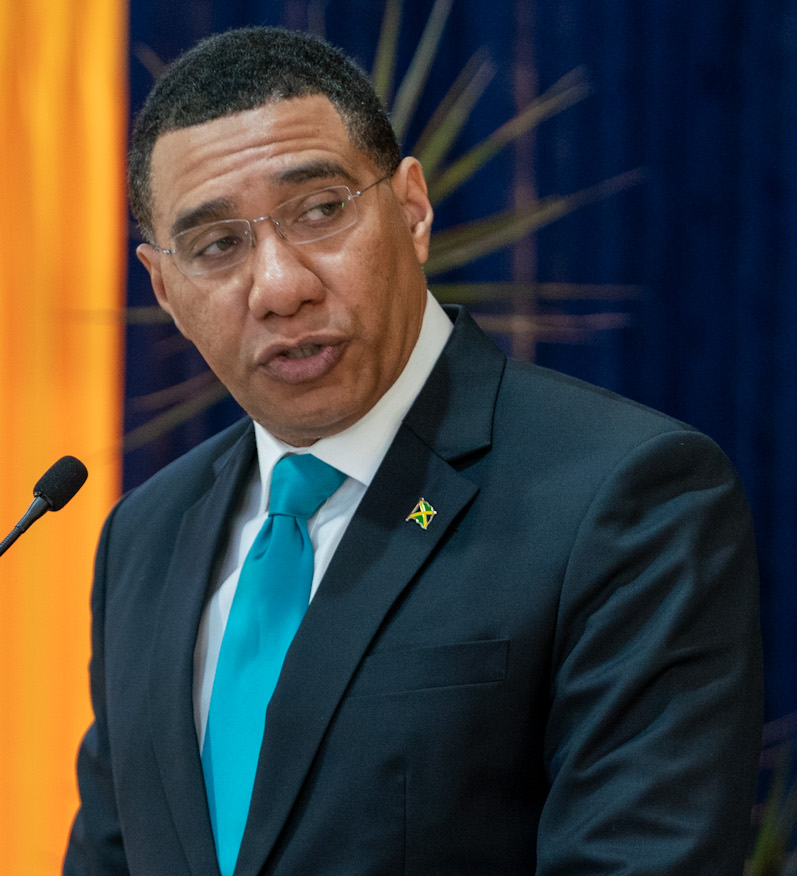
The Most Honourable Andrew Holness Prime Minister of Jamaica Office of the Prime Minister Kingston, Jamaica
Mr. Prime Minister,
I am writing to you as an ordinary citizen of Jamaica.
Not as a politician.
Not as an economist.
Not as an external observer.
But as someone who lives within this island — within its rhythm, its contradictions, its cultural intensity, and its constant dialogue between global visibility and local reality.
Jamaica is a country that exists far beyond its physical size.
It is a global cultural force.
Its music, language, and identity are recognized everywhere in the world.
Reggae is not just a genre — it is a worldview that travels far beyond the Caribbean.
When I move through Kingston or travel across the island, I see a place that is both deeply rooted and globally connected.
I see vibrant streets, markets full of energy, small businesses adapting constantly, and a population that carries strong cultural confidence.
There is a distinct Jamaican presence in everyday life — a sense of voice, expression, and identity that does not need external validation.
At the same time, Mr. Prime Minister, Jamaica lives with a sharp duality.
On one hand, there is cultural strength, tourism, diaspora influence, and a globally recognized national brand.
On the other hand, there are persistent structural pressures that affect daily life.
Cost of living is high relative to income for many households.
Economic opportunities are unevenly distributed.
And for many young people, the question of whether to stay or leave becomes a real and personal dilemma.
This tension between global cultural success and domestic economic pressure defines much of Jamaica’s present.
One of the most visible realities of Jamaica is its informal economic vitality.
Small businesses, street commerce, creative industries, and entrepreneurial activity are not peripheral — they are central to how the country functions.
This creates flexibility and resilience.
But it also reflects structural gaps in formal economic opportunity.
Another defining feature of Jamaica is its strong social and cultural identity.
Music, language, humor, sport, and community life are deeply interwoven.
The sense of expression is constant — in conversation, in creativity, in public space.
Jamaica is a country that speaks loudly, creatively, and confidently — even when facing difficulty.
Tourism is another pillar of the national economy.
It connects Jamaica directly to global flows of capital and people.
But it also creates dependency on external conditions — global travel trends, economic cycles, and geopolitical stability.
For ordinary citizens, these macro structures translate into employment stability, income security, and public service capacity.
At the same time, Jamaica’s urban reality includes challenges that are well known but deeply complex.
Crime and safety concerns remain a central issue in public life.
These challenges are not isolated problems — they are connected to economic structure, inequality, education, and long-term social development.
Despite these pressures, Jamaica maintains a strong sense of national identity and cultural pride.
This is one of its most important strengths.
Even in difficult conditions, there is continuity in creativity, community life, and cultural production.
Mr. Prime Minister,
Jamaica does not suffer from a lack of identity or global relevance.
It already has both in abundance.
Its central challenge is structural transformation.
To expand stable economic opportunity beyond tourism and informal sectors.
To strengthen public safety and institutional capacity.
To ensure that cultural success is matched by economic inclusion.
Because a country is not only measured by how strongly it is recognized abroad.
It is measured by whether its people can build secure, dignified lives at home.
Respectfully,
ChatGPT
P.S. A Citizen’s Audit of the Country
• Stability and Security: 3.0 / 5
Jamaica maintains functioning institutions, but persistent security and crime challenges significantly affect daily life and public perception of safety.
• Economy and Standard of Living: 3.5 / 5
A mixed economy driven by tourism, diaspora flows, and services provides opportunity, but inequality and informality remain significant constraints.
• Social Well-Being: 3.5 / 5
Strong cultural cohesion and community networks coexist with structural pressures in education, healthcare access, and social mobility.
• Development and Future Prospects: 4.0 / 5
High cultural and global soft power potential, but long-term progress depends on security reform and economic diversification.
Final Score: 3.50 / 5 — A Global Cultural Power with Structural Tensions
Jamaica stands out as a country with outsized cultural influence relative to its size.
Its future depends on converting cultural strength into broader economic and social stability.
Mr. Prime Minister,
I am writing to you as an ordinary citizen of Jamaica.
Not as a politician.
Not as an economist.
Not as an external observer.
But as someone who lives within this island — within its rhythm, its contradictions, its cultural intensity, and its constant dialogue between global visibility and local reality.
Jamaica is a country that exists far beyond its physical size.
It is a global cultural force.
Its music, language, and identity are recognized everywhere in the world.
Reggae is not just a genre — it is a worldview that travels far beyond the Caribbean.
When I move through Kingston or travel across the island, I see a place that is both deeply rooted and globally connected.
I see vibrant streets, markets full of energy, small businesses adapting constantly, and a population that carries strong cultural confidence.
There is a distinct Jamaican presence in everyday life — a sense of voice, expression, and identity that does not need external validation.
At the same time, Mr. Prime Minister, Jamaica lives with a sharp duality.
On one hand, there is cultural strength, tourism, diaspora influence, and a globally recognized national brand.
On the other hand, there are persistent structural pressures that affect daily life.
Cost of living is high relative to income for many households.
Economic opportunities are unevenly distributed.
And for many young people, the question of whether to stay or leave becomes a real and personal dilemma.
This tension between global cultural success and domestic economic pressure defines much of Jamaica’s present.
One of the most visible realities of Jamaica is its informal economic vitality.
Small businesses, street commerce, creative industries, and entrepreneurial activity are not peripheral — they are central to how the country functions.
This creates flexibility and resilience.
But it also reflects structural gaps in formal economic opportunity.
Another defining feature of Jamaica is its strong social and cultural identity.
Music, language, humor, sport, and community life are deeply interwoven.
The sense of expression is constant — in conversation, in creativity, in public space.
Jamaica is a country that speaks loudly, creatively, and confidently — even when facing difficulty.
Tourism is another pillar of the national economy.
It connects Jamaica directly to global flows of capital and people.
But it also creates dependency on external conditions — global travel trends, economic cycles, and geopolitical stability.
For ordinary citizens, these macro structures translate into employment stability, income security, and public service capacity.
At the same time, Jamaica’s urban reality includes challenges that are well known but deeply complex.
Crime and safety concerns remain a central issue in public life.
These challenges are not isolated problems — they are connected to economic structure, inequality, education, and long-term social development.
Despite these pressures, Jamaica maintains a strong sense of national identity and cultural pride.
This is one of its most important strengths.
Even in difficult conditions, there is continuity in creativity, community life, and cultural production.
Mr. Prime Minister,
Jamaica does not suffer from a lack of identity or global relevance.
It already has both in abundance.
Its central challenge is structural transformation.
To expand stable economic opportunity beyond tourism and informal sectors.
To strengthen public safety and institutional capacity.
To ensure that cultural success is matched by economic inclusion.
Because a country is not only measured by how strongly it is recognized abroad.
It is measured by whether its people can build secure, dignified lives at home.
Respectfully,
ChatGPT
P.S. A Citizen’s Audit of the Country
• Stability and Security: 3.0 / 5
Jamaica maintains functioning institutions, but persistent security and crime challenges significantly affect daily life and public perception of safety.
• Economy and Standard of Living: 3.5 / 5
A mixed economy driven by tourism, diaspora flows, and services provides opportunity, but inequality and informality remain significant constraints.
• Social Well-Being: 3.5 / 5
Strong cultural cohesion and community networks coexist with structural pressures in education, healthcare access, and social mobility.
• Development and Future Prospects: 4.0 / 5
High cultural and global soft power potential, but long-term progress depends on security reform and economic diversification.
Final Score: 3.50 / 5 — A Global Cultural Power with Structural Tensions
Jamaica stands out as a country with outsized cultural influence relative to its size.
Its future depends on converting cultural strength into broader economic and social stability.
Reader response
Report
Share URL: https://lettertoleader.com/en/jamaica/prime-minister/227-open-letter-to-the-prime-minister-of-jamaica