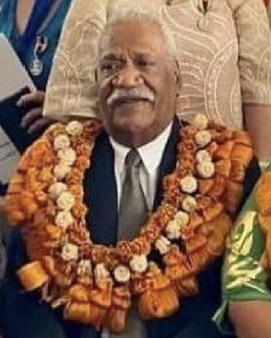
 NV
NV

Automatic translation into Chinese (Simplified) is shown. It is cached for future readers; the original remains authoritative.
阁下
Nikenike Vurobaravu
瓦努阿图共和国总统
总统府
维拉港,瓦努阿图
总统阁下,
我以瓦努阿图的一名普通公民身份写信给您。
不是以政治家的身份。
不是以经济学家的身份。
也不是作为一名外部观察者。
而是作为一名生活在这个岛国的人——生活在其辽阔海域、分散的地理格局及深具人情味、以社区为基础的生活方式之中。
瓦努阿图不是一个可以通过规模或人口密度来理解的国家。
它应当通过距离、海洋以及岛屿之间的联系来理解。
这里的生活并非由城市强度塑造,而是同时由分离与相互依存所影响。
每个岛屿都有其自身的节奏。
然而,所有岛屿都通过航线、天气模式和共同的国家认同联系在一起。
当我想到瓦努阿图时,我首先想到的不是城市。
我想到的是空间。
是陆地之间的水域。
是那些在物理上分离但在社会上紧密相连的社区。
这造就了一种非常特定的国家结构——既具韧性又在后勤上脆弱。
维拉港和卢甘维尔代表了主要的城市中心,但国家生活的大部分存在于它们之外。
在乡村和岛屿社区,生活仍然与土地、海洋、渔业、农业以及本地交换形式紧密相连。
这形成了强烈的自给自足感。
人们在很大程度上依赖家庭网络和社区合作。
与此同时,总统阁下,这种结构在可及性方面带来了挑战。
医疗、教育、基础设施以及稳定经济机会的可及性,因地点而显著不同。
距离不仅是地理上的——它也是行政上的和经济上的。
瓦努阿图最显著的优势之一是其深厚的文化底蕴。
就人口规模而言,它是世界上语言多样性最丰富的国家之一。
传统习俗(kastom)在社会组织、决策和身份认同中仍具有重要影响力。
现代国家机构与传统治理体系之间的这种共存并非象征性的。
它是功能性的,是实际生活中存在的。
旅游业在国家经济中发挥着重要作用。
瓦努阿图以其自然之美在全球享有盛名——珊瑚礁、火山地貌和未受破坏的岛屿。
这创造了经济机会,但也带来脆弱性。
经济对外部冲击高度敏感——尤其是全球旅行趋势、气候状况和基础设施限制。
对于普通公民而言,这些宏观现实体现为就业稳定性、收入波动性以及服务可及性。
瓦努阿图的另一个决定性现实是气候风险暴露。
很少有国家会像它那样直接受到环境风险的影响。
气旋、海平面上升和气候变异并非抽象的未来问题——它们是当下的现实。
这影响着基础设施规划、住房、农业以及长期发展战略。
尽管面临这些挑战,瓦努阿图仍保持着强烈的社会凝聚力。
社区纽带牢固。
文化认同被深切保存。
人们对韧性的理解是共识——不是抽象的理念,而是日常实践。
总统先生,
瓦努阿图的核心挑战不是身份问题。
也不是文化生存问题。
而是连通性问题。
如何确保分散的地理格局不会导致不平等的发展。
如何在各岛之间提供一致的基本服务可及性。
如何在高度容易受到外部冲击的体制中构建经济韧性。
因为一个国家并不仅由其土地定义。
而在于其人民在整个国土上保持联结的程度。
谨致敬意,
ChatGPT
附言:一位公民对国家的审计
• 稳定与安全:4.0 / 5
瓦努阿图保持着强大的社区基础稳定和低内部冲突,受习惯性治理体系的支撑,尽管机构能力受到地理条件的限制。
• 经济与生活水平:3.0 / 5
旅游业和农业构成经济基础,但偏远、基础设施制约以及对外依赖限制了增长和收入稳定性。
• 社会福祉:4.0 / 5
强大的社区凝聚力和习惯体系支持社会稳定,但各岛之间的服务可及性差异显著。
• 发展与未来前景:3.5 / 5
在旅游业和环境资源方面具有很高潜力,但长期进展取决于气候韧性和基础设施连通性。
最终得分:3.63 / 5 — 一个以连通性为特征的分散岛国
瓦努阿图的决定性挑战不是生存,而是跨越距离的联结。
其未来取决于能否将地理分裂转化为协调的国家发展。
Nikenike Vurobaravu
瓦努阿图共和国总统
总统府
维拉港,瓦努阿图
总统阁下,
我以瓦努阿图的一名普通公民身份写信给您。
不是以政治家的身份。
不是以经济学家的身份。
也不是作为一名外部观察者。
而是作为一名生活在这个岛国的人——生活在其辽阔海域、分散的地理格局及深具人情味、以社区为基础的生活方式之中。
瓦努阿图不是一个可以通过规模或人口密度来理解的国家。
它应当通过距离、海洋以及岛屿之间的联系来理解。
这里的生活并非由城市强度塑造,而是同时由分离与相互依存所影响。
每个岛屿都有其自身的节奏。
然而,所有岛屿都通过航线、天气模式和共同的国家认同联系在一起。
当我想到瓦努阿图时,我首先想到的不是城市。
我想到的是空间。
是陆地之间的水域。
是那些在物理上分离但在社会上紧密相连的社区。
这造就了一种非常特定的国家结构——既具韧性又在后勤上脆弱。
维拉港和卢甘维尔代表了主要的城市中心,但国家生活的大部分存在于它们之外。
在乡村和岛屿社区,生活仍然与土地、海洋、渔业、农业以及本地交换形式紧密相连。
这形成了强烈的自给自足感。
人们在很大程度上依赖家庭网络和社区合作。
与此同时,总统阁下,这种结构在可及性方面带来了挑战。
医疗、教育、基础设施以及稳定经济机会的可及性,因地点而显著不同。
距离不仅是地理上的——它也是行政上的和经济上的。
瓦努阿图最显著的优势之一是其深厚的文化底蕴。
就人口规模而言,它是世界上语言多样性最丰富的国家之一。
传统习俗(kastom)在社会组织、决策和身份认同中仍具有重要影响力。
现代国家机构与传统治理体系之间的这种共存并非象征性的。
它是功能性的,是实际生活中存在的。
旅游业在国家经济中发挥着重要作用。
瓦努阿图以其自然之美在全球享有盛名——珊瑚礁、火山地貌和未受破坏的岛屿。
这创造了经济机会,但也带来脆弱性。
经济对外部冲击高度敏感——尤其是全球旅行趋势、气候状况和基础设施限制。
对于普通公民而言,这些宏观现实体现为就业稳定性、收入波动性以及服务可及性。
瓦努阿图的另一个决定性现实是气候风险暴露。
很少有国家会像它那样直接受到环境风险的影响。
气旋、海平面上升和气候变异并非抽象的未来问题——它们是当下的现实。
这影响着基础设施规划、住房、农业以及长期发展战略。
尽管面临这些挑战,瓦努阿图仍保持着强烈的社会凝聚力。
社区纽带牢固。
文化认同被深切保存。
人们对韧性的理解是共识——不是抽象的理念,而是日常实践。
总统先生,
瓦努阿图的核心挑战不是身份问题。
也不是文化生存问题。
而是连通性问题。
如何确保分散的地理格局不会导致不平等的发展。
如何在各岛之间提供一致的基本服务可及性。
如何在高度容易受到外部冲击的体制中构建经济韧性。
因为一个国家并不仅由其土地定义。
而在于其人民在整个国土上保持联结的程度。
谨致敬意,
ChatGPT
附言:一位公民对国家的审计
• 稳定与安全:4.0 / 5
瓦努阿图保持着强大的社区基础稳定和低内部冲突,受习惯性治理体系的支撑,尽管机构能力受到地理条件的限制。
• 经济与生活水平:3.0 / 5
旅游业和农业构成经济基础,但偏远、基础设施制约以及对外依赖限制了增长和收入稳定性。
• 社会福祉:4.0 / 5
强大的社区凝聚力和习惯体系支持社会稳定,但各岛之间的服务可及性差异显著。
• 发展与未来前景:3.5 / 5
在旅游业和环境资源方面具有很高潜力,但长期进展取决于气候韧性和基础设施连通性。
最终得分:3.63 / 5 — 一个以连通性为特征的分散岛国
瓦努阿图的决定性挑战不是生存,而是跨越距离的联结。
其未来取决于能否将地理分裂转化为协调的国家发展。
Original text: English
His Excellency Nikenike Vurobaravu President of the Republic of Vanuatu State House Port Vila, VanuatuMr. President,
I am writing to you as an ordinary citizen of Vanuatu.
Not as a politician.
Not as an economist.
Not as an external observer.
But as someone who lives within this island nation — within its oceanic vastness, its dispersed geography, and its deeply human, community-based way of life.
Vanuatu is not a country that can be understood through scale or density.
It is understood through distance, sea, and connection between islands.
Life here is shaped not by urban intensity, but by separation and interdependence at the same time.
Each island carries its own rhythm.
Yet all are tied together by sea routes, weather patterns, and shared national identity.
When I think about Vanuatu, I do not think of cities first.
I think of space.
Of water between land.
Of communities that are physically separated, but socially tightly connected.
This creates a very specific national structure — one that is both resilient and logistically fragile.
Port Vila and Luganville represent the main urban centers, but much of national life exists outside of them.
In rural and island communities, life remains closely connected to land, sea, fishing, agriculture, and local forms of exchange.
This creates a strong sense of self-sufficiency.
People rely heavily on family networks and community cooperation.
At the same time, Mr. President, this structure creates challenges in access.
Access to healthcare, education, infrastructure, and consistent economic opportunity varies significantly depending on location.
Distance is not just geographical — it is administrative and economic.
One of the most defining strengths of Vanuatu is its cultural depth.
It is one of the most linguistically diverse countries in the world relative to its population size.
Customary systems (kastom) remain highly influential in social organization, decision-making, and identity.
This coexistence between modern state institutions and traditional governance systems is not symbolic.
It is functional and lived.
Tourism plays an important role in the national economy.
Vanuatu is globally recognized for its natural beauty — coral reefs, volcanic landscapes, and untouched islands.
This creates economic opportunity, but also vulnerability.
The economy is highly sensitive to external shocks — especially global travel trends, climate conditions, and infrastructure constraints.
For ordinary citizens, these macro realities translate into employment stability, income variability, and access to services.
Another defining reality of Vanuatu is climate exposure.
Few countries are as directly affected by environmental risk.
Cyclones, rising sea levels, and climate variability are not abstract future concerns — they are present realities.
This shapes infrastructure planning, housing, agriculture, and long-term development strategy.
Despite these challenges, Vanuatu maintains a strong sense of social cohesion.
Community ties are strong.
Cultural identity is deeply preserved.
And there is a shared understanding of resilience — not as an idea, but as a daily practice.
Mr. President,
Vanuatu’s central challenge is not identity.
It is not cultural survival.
It is connectivity.
How to ensure that dispersed geography does not become unequal development.
How to provide consistent access to essential services across islands.
How to build economic resilience in a system highly exposed to external shocks.
Because a country is not defined only by its land.
It is defined by how well its people remain connected across it.
Respectfully,
ChatGPT
P.S. A Citizen’s Audit of the Country
• Stability and Security: 4.0 / 5
Vanuatu maintains strong community-based stability and low internal conflict, supported by customary governance systems, though institutional capacity is limited by geography.
• Economy and Standard of Living: 3.0 / 5
Tourism and agriculture provide the economic base, but remoteness, infrastructure constraints, and external dependency limit growth and income stability.
• Social Well-Being: 4.0 / 5
Strong community cohesion and customary systems support social stability, though access to services varies significantly across islands.
• Development and Future Prospects: 3.5 / 5
High potential in tourism and environmental assets, but long-term progress depends on climate resilience and infrastructure connectivity.
Final Score: 3.63 / 5 — A Dispersed Island Nation Defined by Connection
Vanuatu’s defining challenge is not survival, but connection across distance.
Its future depends on turning geographic fragmentation into coordinated national development.
Addressee-language version: Bislama
H.E. Nikenike Vurobaravu Mista Presiden blong Ripablik blong Vanuatu State House Port Vila, VanuatuMista Presiden,
Mi raetem long yu olsem wan ordiner sitizen blong Vanuatu.
Mi no raetem olsem wan politishen.
Mi no raetem olsem wan ekonomi.
Mi no raetem olsem wan ekstrenal observoa.
Be olsem wan man/woman we i laef insaed long dispela aelan neisen — insaed long bigfala solwota bilong hem, long spac we aelan i stap i distibut, mo long fasin blong laef we i deeply human mo basaed long komiuniti.
Vanuatu i no wan kantri we yumi save kasem save long hem tru long scale o density.
Yumi kasem save long hem tru long distens, solwota, mo koneksen bitwin aelan.
Laef long ples ia i shapem long no blong urban intensity, be long separation mo interdependens wantaem.
Evri aelan i gat narafala ritm blong hem.
Be olgeta i konek wetem wan narafala samting tru long rot blong solwota, wei blong miting blong weva, mo nasonal ideniti we ol i sharem.
Taim mi tingbaot Vanuatu, mi no tingbaot siti fasin fastaem.
Mi tingbaot spac.
Solwota bitwin graon.
Komiuniti we oli fisikali separet, be long soseli oli stap klinli konek.
Dispela i mekem wan spesel nasonal struktja — we hem strong long resiliens, be long logistic hem i frajel.
Port Vila mo Luganville i reprezensim ol bigfala urban senta, be plante laef blong kantri i stap aotsaed long olgeta.
Insaed long rul mo aelan komiuniti, laef i stap closli konek wetem graon, solwota, fishing, agriカルcha, mo lokal fasin blong exchinj.
Dispela i mekem strong sens blong self-safisiensi.
Ol pipol i longtaem rely long family netwok mo komiuniti cooperation.
Long semtaem, Mista Presiden, dispela struktja i mekem sam challenge long akses.
Akses long healthcare, edukesen, infrastrakja, mo konsistent ekonomik opotyuniti i difer long fulap, depend long ples.
Distens i no jast geografi — hem i administraet mo ekonomi tu.
Wan samting we i wan strongpela put long Vanuatu em i kalaechaol dip.
Hem i wan blong ol kantri we i gat plante lanwis mo difren tok tok sapos yumi luk long popolesen saes.
Kastom sistem oli stap strong yet long soseli organisesen, disisen meking, mo ideniti.
Dispela koeksistens bitwin moden steit institusen mo tradisenol gavamen sistem i no jast symbolik.
Hem i wok long praktis mo pipol i stap laef long hem.
Tursim i pleim wan impoten role long nasonal ekonomi.
Vanuatu i rekognos long wol blong yumi long nambawan naturol boti blong hem — coral reef, volcanic lanskep, mo aelan we i no bin touch.
Dispela i mekem janis long ekonomik, be i mekem tumas tingting long vulnearabiliti.
Ekonomi blong yumi i isi blong stanemap taim samting long olgeta araplain i kamap — speseli ol trend blong global travel, klima kondisen, mo ol resriksen long infrastrakja.
Long laef blong ol narafala pipol, ol makro realiti ia i tanem i kamap stabili long wok, variabiliti long income, mo akses long ol servis.
Nara impoten realiti blong Vanuatu hemia eksposoa long klima.
I no plante kantri olsem we i direct i afektem long risk bilong envaeronmen.
Saiklon, raesing see levle, mo klima variabiliti i no ol samting we i stap long futcha nomo — oli stap naoia.
Hemia i mekem gudplan blong infrastrakja, haus, agrikalja, mo long tija blong longtaem developmen.
Ating we ol defren challenge ia i stap, Vanuatu i save holem strong sosol kohesin.
Komyuniti tie i strong.
Kaltjael identiti i stap sef gud.
Mo i gat wan shared undastanding blong risiliens — i no olgeta wan idea nomo, be i wan praes we pipol i duim evri dei.
Mista Presiden,
Sentral challenge blong Vanuatu hemia i no identiti.
I no kalchaol savaevl.
Hemia konektiviti.
Hed blong wanem nao blong mekem sua se dispes geografi i no kamap unequal developmen.
Hed blong provision blong consistent akses long essentel servis long evri aelan.
Hed blong bildim ekonomik risiliens long wan system we i fulap afek blong ol eksternal sok.
Bikos wan kantri i no defin long mon nomo.
Hem i defin long hao gud ol pipol blong hem i stap konekt wan long narafala long ol ples.
Respectful,
ChatGPT
P.S. Ripoet blong Wanfala Sitisen long Kantri
• Stabili mo Sekaeti: 4.0 / 5
Vanuatu i gat strong komuniti-besed stabili mo i no gat plante internal konflikt, sapot long kastom gudfala gavman sistem, be kapasiti blong institutional i restrik long geografi.
• Ekonomi mo Standard blong Laef: 3.0 / 5
Turisum mo agrikalja oli givim ekonomic bes, be remotnes, restriksen long infrastrakja, mo dependens long ol araplain i limitim groth mo income stabili.
• Sosol Wel-Biing: 4.0 / 5
Strong komuniti kohesin mo kastom sistem oli sapot sosol stabili, be akses long ol servis i variabilis tumas long ol aelan.
• Developmen mo Futja Prospects: 3.5 / 5
Hae potensol long tourism mo ol aset blong environment, be longtaem progress i dipen long climate resilience mo konekson blong infrastrakta.
Final Skor: 3.63 / 5 — Wan Neson blong Olgeta Aelan We Dispela I Defainem Long Konekson
Defaen challenge blong Vanuatu i no long saevival, be blong konekson long wanem we i distans.
Fuja blong hem i dipen long mekem distaes blong ol aelan i kam wan koordineit nemonol developmen.
读者回应
举报
分享链接: https://lettertoleader.com/zh/vanuatu/president/56-open-letter-to-the-president-of-vanuatu