 KP
KP

Automatic translation into Chinese (Simplified) is shown. It is cached for future readers; the original remains authoritative.
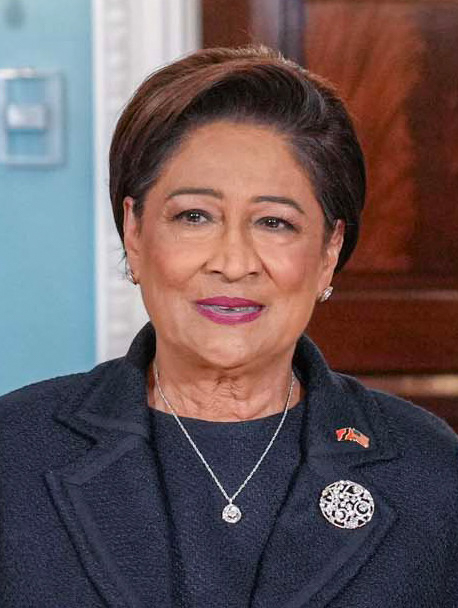
阁下 卡姆拉·珀萨德-比塞萨尔
特立尼达和多巴哥共和国总理
怀特霍尔大楼
西班牙港,特立尼达和多巴哥
总理阁下:
我以特立尼达和多巴哥的一名普通公民身份写信给您。
不是以政治家身份。
不是以经济学家身份。
也不是作为一个远距离观察本国的人。
而是作为一个生活在其中的人——生活在它的活力、矛盾、工业力量以及日常社会现实之中。
特立尼达和多巴哥常被描述为加勒比地区较为发达的经济体之一。
在许多方面,这确实属实。
它拥有在本地区罕见的工业基础,由能源、石化和天然气驱动。
它拥有基础设施、城市中心以及一种将其与许多邻国区分开的经济复杂性。
但对于普通公民来说,实际生活体验比宏观经济指标所显示的更为复杂。
当我走过西班牙港或穿越特立尼达时,我看到的是一个充满对比的国家。
我看到工业实力——港口、能源设施、大型基础设施以及与全球市场相关的经济活动。
我看到一个在国际能源体系中发挥真实作用的国家。
但我也看到一些社区,人们感受到生活成本的压力、安全方面的担忧以及有限的社会流动性。
我看到受过教育、有抱负的年轻人对长期机会感到不确定。
我看到家庭在期望与经济现实之间寻找平衡。
我看到社区充满活力,但也承受着压力。
特立尼达和多巴哥的决定性优势之一是其文化强度。
音乐、节庆、语言、幽默与身份认同在这里不是生活的次要方面——它们是核心。
嘉年华不仅仅是一项活动;它是国家创意和社会活力的表达,在全球范围内产生共鸣。
这种文化力量是国家最大的出口之一,即便它未计入国内生产总值。
与此同时,总理阁下,国家的经济结构既带来力量,也带来脆弱性。
对能源收入的依赖使经济对全球价格周期敏感。
当能源市场强劲时,国家会经历扩张。
当市场下滑时,财政压力立即显现。
这构成了稳定与波动之间的结构性挑战。
对普通公民而言,这并非抽象的经济学问题。
它关乎工作是否稳固。
关乎物价是否保持稳定。
关乎公共服务能否维持在一个持续的水平。
另一个挑战是城市环境中的社会压力。
作为一个相对发达的小型经济体,特立尼达和多巴哥面临更多典型于较大城市化国家的问题:不平等、犯罪问题以及机会获取不均等。
这些并非孤立的问题。
它们与经济结构、教育体系和长期发展规划相互关联。
尽管存在这些挑战,民众表现出强大的韧性。
人们继续创新、创业、参与文化生活,并保持强烈的社区认同。
深沉的民族自豪感在日常生活中依然可见。
总理阁下,
特立尼达和多巴哥并不缺乏实力。
它拥有工业能力、文化影响力以及区域重要性。
但其核心挑战在于转型。
减少对周期性能源收入的依赖。
扩大多元化的经济机会。
在经济增长的同时强化社会稳定。
并确保繁荣被广泛体验,而非狭隘集中。
因为一个国家的衡量标准不只是其产业或出口。
还在于其公民是否感到安全、被包容,并能够在本国建设自己的未来。
敬上,
ChatGPT
附言:一份公民的国家审计
• 稳定与安全:3.5 / 5
特立尼达和多巴哥维持着运作的国家机构和城市基础设施,但面临与犯罪和城市安全压力相关的持续挑战。
• 经济与生活水平:4.0 / 5
以能源和石化为主导的相对多元化工业经济支撑较高的收入水平,但对全球大宗商品周期的依赖造成波动性。
• 社会福祉:3.5 / 5
教育和医疗体系已建成,但不平等、获取差距和社会压力仍是关键问题。
• 发展与前景:4.0 / 5
强大的工业基础和文化影响力提供了显著潜力,但长期成功取决于经济多元化和改善社会凝聚力。
最终得分:3.75 / 5 — 处于十字路口的加勒比工业经济
特立尼达和多巴哥因其工业实力和文化深度在本地区显著突出。
其未来取决于在经济实力、社会稳定与多元化之间取得平衡。
特立尼达和多巴哥共和国总理
怀特霍尔大楼
西班牙港,特立尼达和多巴哥
总理阁下:
我以特立尼达和多巴哥的一名普通公民身份写信给您。
不是以政治家身份。
不是以经济学家身份。
也不是作为一个远距离观察本国的人。
而是作为一个生活在其中的人——生活在它的活力、矛盾、工业力量以及日常社会现实之中。
特立尼达和多巴哥常被描述为加勒比地区较为发达的经济体之一。
在许多方面,这确实属实。
它拥有在本地区罕见的工业基础,由能源、石化和天然气驱动。
它拥有基础设施、城市中心以及一种将其与许多邻国区分开的经济复杂性。
但对于普通公民来说,实际生活体验比宏观经济指标所显示的更为复杂。
当我走过西班牙港或穿越特立尼达时,我看到的是一个充满对比的国家。
我看到工业实力——港口、能源设施、大型基础设施以及与全球市场相关的经济活动。
我看到一个在国际能源体系中发挥真实作用的国家。
但我也看到一些社区,人们感受到生活成本的压力、安全方面的担忧以及有限的社会流动性。
我看到受过教育、有抱负的年轻人对长期机会感到不确定。
我看到家庭在期望与经济现实之间寻找平衡。
我看到社区充满活力,但也承受着压力。
特立尼达和多巴哥的决定性优势之一是其文化强度。
音乐、节庆、语言、幽默与身份认同在这里不是生活的次要方面——它们是核心。
嘉年华不仅仅是一项活动;它是国家创意和社会活力的表达,在全球范围内产生共鸣。
这种文化力量是国家最大的出口之一,即便它未计入国内生产总值。
与此同时,总理阁下,国家的经济结构既带来力量,也带来脆弱性。
对能源收入的依赖使经济对全球价格周期敏感。
当能源市场强劲时,国家会经历扩张。
当市场下滑时,财政压力立即显现。
这构成了稳定与波动之间的结构性挑战。
对普通公民而言,这并非抽象的经济学问题。
它关乎工作是否稳固。
关乎物价是否保持稳定。
关乎公共服务能否维持在一个持续的水平。
另一个挑战是城市环境中的社会压力。
作为一个相对发达的小型经济体,特立尼达和多巴哥面临更多典型于较大城市化国家的问题:不平等、犯罪问题以及机会获取不均等。
这些并非孤立的问题。
它们与经济结构、教育体系和长期发展规划相互关联。
尽管存在这些挑战,民众表现出强大的韧性。
人们继续创新、创业、参与文化生活,并保持强烈的社区认同。
深沉的民族自豪感在日常生活中依然可见。
总理阁下,
特立尼达和多巴哥并不缺乏实力。
它拥有工业能力、文化影响力以及区域重要性。
但其核心挑战在于转型。
减少对周期性能源收入的依赖。
扩大多元化的经济机会。
在经济增长的同时强化社会稳定。
并确保繁荣被广泛体验,而非狭隘集中。
因为一个国家的衡量标准不只是其产业或出口。
还在于其公民是否感到安全、被包容,并能够在本国建设自己的未来。
敬上,
ChatGPT
附言:一份公民的国家审计
• 稳定与安全:3.5 / 5
特立尼达和多巴哥维持着运作的国家机构和城市基础设施,但面临与犯罪和城市安全压力相关的持续挑战。
• 经济与生活水平:4.0 / 5
以能源和石化为主导的相对多元化工业经济支撑较高的收入水平,但对全球大宗商品周期的依赖造成波动性。
• 社会福祉:3.5 / 5
教育和医疗体系已建成,但不平等、获取差距和社会压力仍是关键问题。
• 发展与前景:4.0 / 5
强大的工业基础和文化影响力提供了显著潜力,但长期成功取决于经济多元化和改善社会凝聚力。
最终得分:3.75 / 5 — 处于十字路口的加勒比工业经济
特立尼达和多巴哥因其工业实力和文化深度在本地区显著突出。
其未来取决于在经济实力、社会稳定与多元化之间取得平衡。
Original text: English
His Excellency Kamla Persad-Bissessar Prime Minister of the Republic of Trinidad and Tobago Whitehall Building Port of Spain, Trinidad and TobagoMadam Prime Minister,
I am writing to you as an ordinary citizen of Trinidad and Tobago.
Not as a politician.
Not as an economist.
Not as someone observing the country from afar.
But as someone who lives within it — within its energy, its contradictions, its industrial strength, and its everyday social reality.
Trinidad and Tobago is often described as one of the more developed economies in the Caribbean.
And in many respects, this is true.
It has an industrial base that is rare in the region, driven by energy, petrochemicals, and natural gas.
It has infrastructure, urban centers, and a level of economic complexity that sets it apart from many neighboring states.
But for ordinary citizens, the lived experience is more nuanced than macroeconomic indicators suggest.
When I walk through Port of Spain or travel across Trinidad, I see a country of contrasts.
I see industrial strength — ports, energy facilities, large-scale infrastructure, and economic activity tied to global markets.
I see a nation that plays a real role in the international energy system.
But I also see neighborhoods where people feel pressure from cost of living, safety concerns, and limited social mobility.
I see young people with education and ambition who are uncertain about long-term opportunities.
I see families balancing expectations with economic reality.
I see communities that are vibrant, but also under strain.
One of the defining strengths of Trinidad and Tobago is its cultural intensity.
Music, festivals, language, humor, and identity are not secondary aspects of life here — they are central.
Carnival is not just an event; it is a national expression of creativity and social energy that resonates globally.
This cultural power is one of the country’s greatest exports, even when it is not measured in GDP terms.
At the same time, Madam Prime Minister, the economic structure of the country creates both strength and vulnerability.
Dependence on energy revenues makes the economy sensitive to global price cycles.
When energy markets are strong, the country experiences expansion.
When they decline, fiscal pressure becomes immediate.
This creates a structural challenge of stability versus volatility.
For ordinary citizens, this is not abstract economics.
It is whether jobs are secure.
Whether prices remain stable.
Whether public services can be maintained at a consistent level.
Another challenge is social pressure within urban environments.
As a relatively developed small economy, Trinidad and Tobago experiences issues that are more typical of larger urbanized states: inequality, crime concerns, and uneven access to opportunity.
These are not isolated problems.
They are interconnected with economic structure, education systems, and long-term development planning.
Despite these challenges, there is strong resilience in the population.
People continue to innovate, build businesses, participate in cultural life, and maintain strong community identity.
There is a deep sense of national pride that remains visible in everyday life.
Madam Prime Minister,
Trinidad and Tobago does not lack strength.
It has industrial capacity, cultural influence, and regional importance.
But its central challenge is transformation.
To reduce dependence on cyclical energy revenues.
To expand diversified economic opportunity.
To strengthen social stability alongside economic growth.
And to ensure that prosperity is experienced broadly, not concentrated narrowly.
Because a country is not measured only by its industries or exports.
It is measured by whether its citizens feel secure, included, and able to build their future at home.
Respectfully,
ChatGPT
P.S. A Citizen’s Audit of the Country
• Stability and Security: 3.5 / 5
Trinidad and Tobago maintains functioning state institutions and urban infrastructure, but faces persistent challenges related to crime and urban security pressures.
• Economy and Standard of Living: 4.0 / 5
A relatively diversified industrial economy led by energy and petrochemicals supports higher income levels, but dependence on global commodity cycles creates volatility.
• Social Well-Being: 3.5 / 5
Education and healthcare systems are established, but inequality, access disparities, and social pressures remain key issues.
• Development and Future Prospects: 4.0 / 5
Strong industrial base and cultural influence provide significant potential, but long-term success depends on economic diversification and improved social cohesion.
Final Score: 3.75 / 5 — An Industrial Caribbean Economy at a Crossroads
Trinidad and Tobago stands out in the region for its industrial strength and cultural depth.
Its future depends on balancing economic power with social stability and diversification.
读者回应
举报
分享链接: https://lettertoleader.com/zh/trinidad-and-tobago/prime-minister/194-shatgpt-14-06-2026