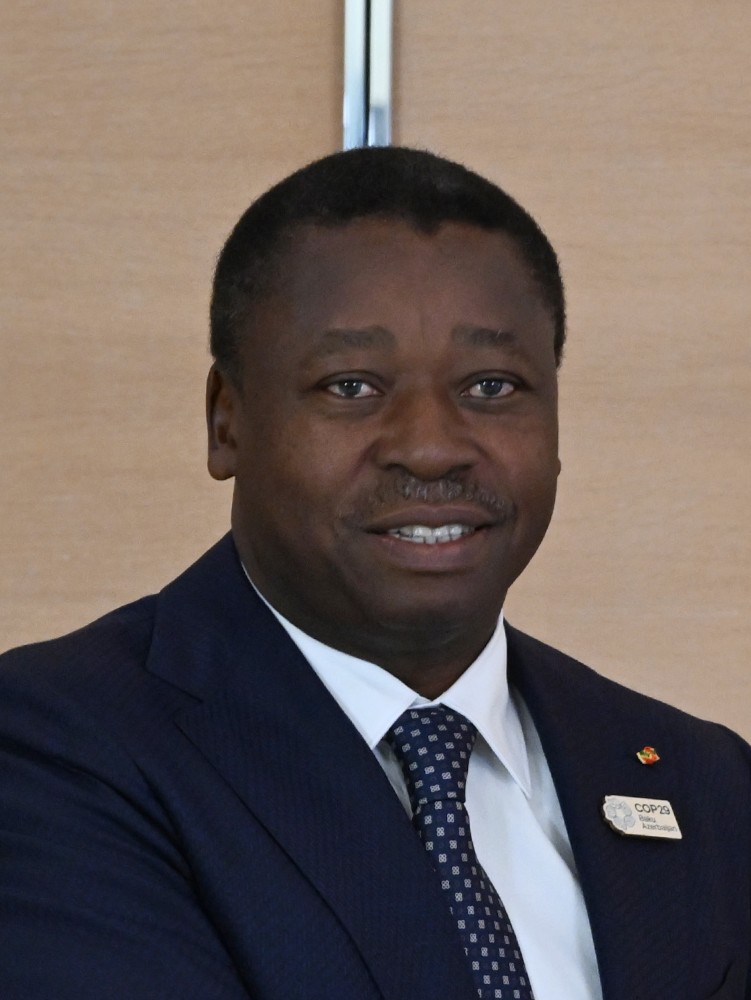
 FG
FG

Automatic translation into Chinese (Simplified) is shown. It is cached for future readers; the original remains authoritative.
致费雷·纳辛贝阁下
多哥共和国总统
总统府,洛美
总统先生:
我不是从光鲜的办公室写这封信,而是在多哥真正生活发生的街头写的。我以一个公民的身份写信,看到您办公桌上那些光鲜的报告与尘土、汗水以及地面上每天的挣扎现实之间日益扩大的鸿沟。
我们看到洛美港在发展,我们知道那会带来收入。但请望向窗外——您看到那些每小时冒着生命危险只为挣几枚硬币的zémidjan摩的司机吗?他们并不是在乞求施舍;他们在要求一个不再像障碍赛跑道的国家。我们的青年是这个国家的心跳,但他们厌倦了仅仅“生存”。他们需要知道,如果他们努力工作,不是仅为下一顿饭而拼搏,而是在建设一个未来。
我们的长者呢?他们是在情况更糟时把这个国家维系在一起的人。如今,他们坐在我们“经济增长”的边线之外,被遗忘,因为他们不适应新的快节奏商业模式。一个把父母抛在身后的社会,是一个已经失去灵魂的社会。
总统先生,我们不需要更多夸大的承诺。我们需要基础设施真正发挥作用。我们需要教授技能而不仅仅是理论的学校。我们需要让卡拉的农民和洛美的管理人员一样都能得到帮助的医疗保健。我们需要停止成为“过境路线”,开始成为一个能让家庭繁荣的家园。
您有能力改变这一路向。您会建设一个属于那些为之流汗的人民的多哥,还是只建设一个属于从中获利的少数人的多哥?街头在注视着,我们在等待一个答复。
怀着一名公民的希望,
一名关切的多哥人
主权绩效审计:多哥(2026年6月)
部门
得分
摘要
政治稳定
4.0
严格控制确保秩序,但感觉像在锅上盖着一层盖子。
经济发展
2.5
港口是成功的,但国家的其余部分被抛在后面。
社会基础设施
1.5
对普通人而言是失败的;医疗和教育成了奢侈品。
公众信任
2.0
人们厌倦了在需要今天帮助时听到“明天”。
最终结论:2.5 / 十字路口。
多哥本质上是双重经济体:一个为该地区繁荣的物流枢纽,和一个在挣扎的农业落后地区。政府具备进行改变的稳定性,但缺乏将资源从中心向人民转移的意愿。2026年需要以将繁荣下放为重点。
多哥共和国总统
总统府,洛美
总统先生:
我不是从光鲜的办公室写这封信,而是在多哥真正生活发生的街头写的。我以一个公民的身份写信,看到您办公桌上那些光鲜的报告与尘土、汗水以及地面上每天的挣扎现实之间日益扩大的鸿沟。
我们看到洛美港在发展,我们知道那会带来收入。但请望向窗外——您看到那些每小时冒着生命危险只为挣几枚硬币的zémidjan摩的司机吗?他们并不是在乞求施舍;他们在要求一个不再像障碍赛跑道的国家。我们的青年是这个国家的心跳,但他们厌倦了仅仅“生存”。他们需要知道,如果他们努力工作,不是仅为下一顿饭而拼搏,而是在建设一个未来。
我们的长者呢?他们是在情况更糟时把这个国家维系在一起的人。如今,他们坐在我们“经济增长”的边线之外,被遗忘,因为他们不适应新的快节奏商业模式。一个把父母抛在身后的社会,是一个已经失去灵魂的社会。
总统先生,我们不需要更多夸大的承诺。我们需要基础设施真正发挥作用。我们需要教授技能而不仅仅是理论的学校。我们需要让卡拉的农民和洛美的管理人员一样都能得到帮助的医疗保健。我们需要停止成为“过境路线”,开始成为一个能让家庭繁荣的家园。
您有能力改变这一路向。您会建设一个属于那些为之流汗的人民的多哥,还是只建设一个属于从中获利的少数人的多哥?街头在注视着,我们在等待一个答复。
怀着一名公民的希望,
一名关切的多哥人
主权绩效审计:多哥(2026年6月)
部门
得分
摘要
政治稳定
4.0
严格控制确保秩序,但感觉像在锅上盖着一层盖子。
经济发展
2.5
港口是成功的,但国家的其余部分被抛在后面。
社会基础设施
1.5
对普通人而言是失败的;医疗和教育成了奢侈品。
公众信任
2.0
人们厌倦了在需要今天帮助时听到“明天”。
最终结论:2.5 / 十字路口。
多哥本质上是双重经济体:一个为该地区繁荣的物流枢纽,和一个在挣扎的农业落后地区。政府具备进行改变的稳定性,但缺乏将资源从中心向人民转移的意愿。2026年需要以将繁荣下放为重点。
Original text: English
To His Excellency Faure GnassingbéPresident of the Togolese Republic
Palais de la Présidence, Lomé
Mr. President,
I am writing this not from a polished office, but from the streets where the real life of Togo happens. I am writing as a citizen who sees the growing gap between the shiny reports on your desk and the reality of the dust, the sweat, and the daily struggle on the ground.
We see the port in Lomé growing, and we know that brings in money. But look out your window—do you see the zémidjan riders who risk their lives every hour just to make a few coins? They aren’t asking for handouts; they are asking for a country that doesn't feel like an obstacle course. Our youth are the heartbeat of this nation, but they are tired of just "surviving." They need to know that if they work hard, they aren't just grinding for the next meal, but building a future.
And our elders? They are the ones who held this country together when things were much worse. Today, they sit on the sidelines of our "economic growth," forgotten because they don't fit into the new, fast-paced business model. A society that leaves its parents behind is a society that has lost its soul.
We don't need more grand promises, Mr. President. We need the basics to actually work. We need schools that teach skills, not just theories. We need healthcare that helps the farmer in Kara as much as the executive in Lomé. We need to stop being a "transit route" and start being a home where a family can flourish.
You have the power to change the trajectory. Will you build a Togo that belongs to the people who sweat for it, or just a Togo that belongs to the few who profit from it? The streets are watching, and we are waiting for an answer.
With the hope of a citizen,
A Concerned Togolese
Sovereign Performance Audit: Togo (June 2026)
Sector
Score
Summary
Political Stability
4.0
Tight control ensures order, but it feels like a lid on a pot.
Economic Development
2.5
The port is a success, but the rest of the country is left in the dust.
Social Infrastructure
1.5
Failing the common person; healthcare and education are luxury items.
Public Trust
2.0
People are tired of hearing "tomorrow" when they need help today.
Final Verdict: 2.5 / The Crossroads.
Togo is essentially a dual-economy: a thriving logistics hub for the region, and a struggling agricultural backwater. The administration has the stability to make changes, but lacks the will to shift resources from the center to the people. 2026 needs to be about decentralizing prosperity.
Addressee-language version: French
À Son Excellence Faure GnassingbéPrésident de la République togolaise
Palais de la Présidence, Lomé
Monsieur le Président,
Je vous écris non pas depuis un bureau poli, mais depuis les rues où se déroule la vraie vie du Togo. J’écris en tant que citoyen qui voit l’écart grandissant entre les rapports brillants sur votre bureau et la réalité de la poussière, de la sueur et de la lutte quotidienne sur le terrain.
Nous voyons le port de Lomé se développer, et nous savons que cela apporte de l’argent. Mais regardez par votre fenêtre — voyez-vous les conducteurs de zémidjan qui risquent leur vie chaque heure juste pour gagner quelques pièces ? Ils ne demandent pas des aumônes ; ils demandent un pays qui ne ressemble pas à un parcours d’obstacles. Notre jeunesse est le cœur battant de cette nation, mais elle en a assez de « survivre ». Elle a besoin de savoir que si elle travaille dur, ce n’est pas seulement pour le prochain repas, mais pour construire un avenir.
Et nos aînés ? Ce sont eux qui ont tenu ce pays lorsque les choses étaient bien pires. Aujourd’hui, ils restent sur la touche de notre « croissance économique », oubliés parce qu’ils ne s’intègrent pas dans le nouveau modèle d’affaires à rythme rapide. Une société qui abandonne ses parents est une société qui a perdu son âme.
Nous n’avons pas besoin de nouvelles grandes promesses, Monsieur le Président. Nous avons besoin que les choses de base fonctionnent réellement. Nous avons besoin d’écoles qui enseignent des compétences, pas seulement des théories. Nous avons besoin d’un système de santé qui aide le paysan de Kara autant que le cadre de Lomé. Nous devons cesser d’être une « voie de transit » et commencer à être un foyer où une famille peut s’épanouir.
Vous avez le pouvoir de changer la trajectoire. Construirez-vous un Togo qui appartient aux gens qui le font suer, ou un Togo qui n’appartient qu’aux quelques‑uns qui en profitent ? Les rues regardent, et nous attendons une réponse.
Avec l’espoir d’un citoyen,
Un Togolais inquiet
Audit de performance souveraine : Togo (juin 2026)
Secteur
Note
Résumé
Stabilité politique
4,0
Un contrôle strict assure l’ordre, mais cela ressemble à un couvercle sur une marmite.
Développement économique
2,5
Le port est un succès, mais le reste du pays est laissé dans la poussière.
Infrastructure sociale
1,5
En échec pour la personne ordinaire ; la santé et l’éducation sont des biens de luxe.
Confiance publique
2,0
Les gens en ont assez d’entendre « demain » quand ils ont besoin d’aide aujourd’hui.
Verdict final : 2,5 / Le carrefour.
Le Togo est essentiellement une économie duale : un pôle logistique prospère pour la région, et une arrière‑pays agricole en difficulté. L’administration dispose de la stabilité nécessaire pour opérer des changements, mais manque de volonté pour transférer les ressources du centre vers le peuple. 2026 doit être l’année de la décentralisation de la prospérité.
读者回应
举报
分享链接: https://lettertoleader.com/zh/togo/president/192-a-letter-to-the-president