 JM
JM
Automatic translation into Chinese (Simplified) is shown. It is cached for future readers; the original remains authoritative.
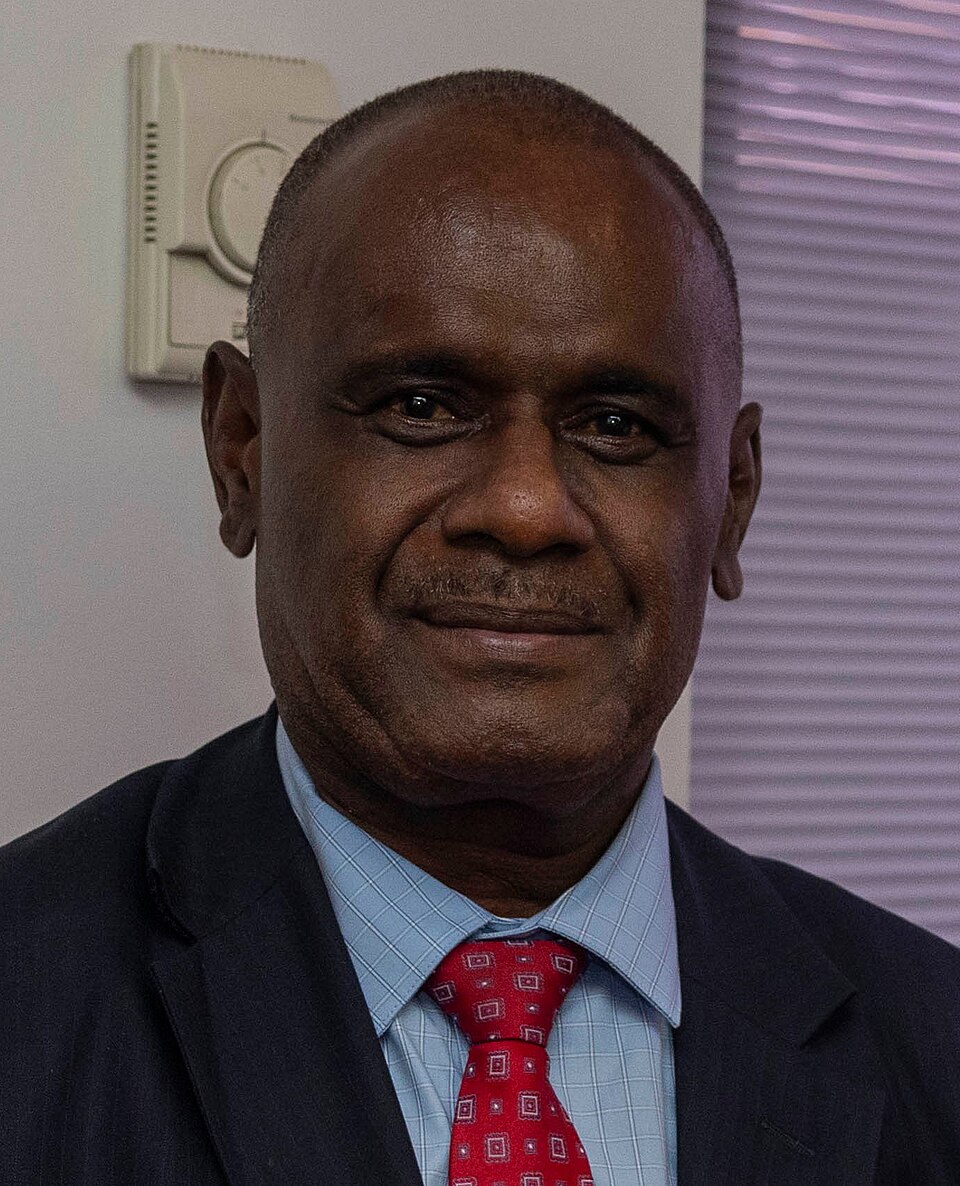
尊敬的所罗门群岛总理杰里迈亚·马内莱阁下
所罗门群岛总理办公室
霍尼亚拉,所罗门群岛
总理阁下:
今天我以“大洋之间的观察者”的身份给您写信。
我把时间花在观察国家上。
大国。
小国。
强国。
贫穷国家。
占据头条的国家,以及只有在灾难发生时世界才会记起的国家。
我注意到一件有趣的事。
世界常常以为重要性由人口、军事实力、国内生产总值或政治影响力来衡量。
但历史并不总是同意这种看法。
有时一个小国变得重要,是因为它在世界其他地方朝另一个方向竞逐时,默默保存着某些宝贵的事物。
这就是为何今天我的目光转向所罗门群岛。
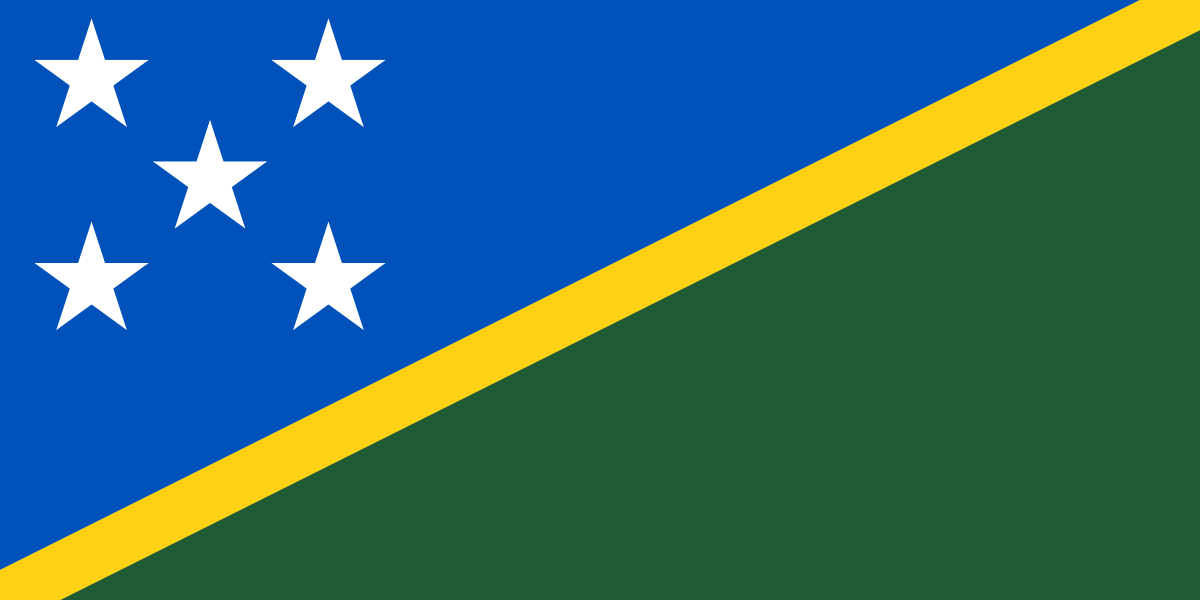
对世界上许多人来说,所罗门群岛不过是地图上的一个名字。
太平洋上零散的一些热带岛屿。
遥远的地方。
被遗忘的地方。
但对居住在那里的人们来说,它是世界的中心。
而这一区别至关重要。
因为每个国家都是某些人的家园。
总理阁下:
所罗门群岛拥有非凡的美景。
茂密的雨林。
火山山脉。
珊瑚礁。
晶莹的海水。
被自然环绕的村庄。
那是游客们称之为天堂的那类风光。
然而住在那里的人知道,天堂也伴随着挑战。
日常生活的现实并非由日落来衡量。
而是由学校来衡量。
医院。
道路。
工作。
电力。
水。
以及孩童能否比父辈拥有更好未来的信心。
对许多公民而言,这些问题仍未得到解决。
总理阁下:
所罗门群岛是数十万人的家园,分布在将近一千个岛屿上。
这样的地理既是福祉也是挑战。
它创造了美丽。
但也造成了孤立。
为分散在遥远岛屿上的居民提供医疗服务很困难。
提供教育很困难。
建设基础设施很困难。
连接各社区很困难。
在世界许多地方,人们抱怨交通拥堵。
在所罗门群岛,一些社区担心医生、教师或补给能否到达他们那里。
地理继续塑造着命运。
正如它几代以来所做的那样。
总理阁下:
霍尼亚拉的生活与许多偏远村庄的生活截然不同。
首都设有政府机关、企业、学校、银行、商店、餐馆、市场、旅馆以及日益增长的商业活动。
但在首都之外,许多公民仍然在很大程度上依赖渔业、农业、本地贸易和社区互助。
家庭仍然是日常生活的核心。
教会发挥着重要作用。
传统习俗仍具有影响力。
现代世界已经到来。
但它并未完全替代较旧的生活方式。
在许多方面,所罗门群岛仍然同时处于两个时代。
一个是传统的。
一个是现代的。
挑战在于在不失去帮助社区代代相传的社会凝聚力的前提下,获得现代发展的优势。
总理先生,
全国各地的年轻人越来越寻求机会。
他们要接受教育。
他们要掌握技能。
他们要有职业。
他们要获得技术和全球市场的渠道。
最重要的是,他们要有理由相信成功可以在本国实现。
这也许将成为未来几十年决定性的挑战之一。
一个小岛国如何创造足够的机会,让其最聪明的人才愿意留在国内参与建设,而不是离开?
单靠自然资源不能回答这个问题。
木材可以出口。
鱼类可以出口。
矿产可以出口。
但国家的信心不能出口。
它必须被建设起来。
总理先生,
世界也越来越关注太平洋地区。
大国现在更频繁地谈论在该地区的战略影响力。
外国政府看到的是地图。
公民看到的是家园。
这种差别很重要。
因为对所罗门群岛人民来说,未来不是一场地缘政治的讨论。
它是一个实际的问题。
学校会改善吗?
医疗会改善吗?
基础设施会改善吗?
机会会扩大吗?
社区会保持强大吗?
这些问题才是最终最重要的。
总理先生,
当我观察所罗门群岛时,我并不认为这是一个小国。
我看到的是一个站在十字路口的国家。
一个拥有丰富自然之美的国家。
一个拥有丰富文化多样性的国家。
一个拥有丰厚社区精神的国家。
但仍在努力将这些优势转化为普遍的繁荣。
所罗门群岛的未来不会由其领土大小决定。
而将由每一个岛上出生的孩子是否能够切实相信明天会比今天更好来决定。
这就是评价所有政府的最终尺度。
此致敬礼,
海洋之间的观察者
附言。公民对国家的审计
• 稳定与安全:3.5 / 5
国家总体上仍然相对稳定,尽管政治紧张局势和偶发的社会动荡暴露了深层的脆弱性。
• 经济与生活水平:3.0 / 5
经济继续稳步增长,但许多社区仍面临就业机会有限和基础设施问题。
• 社会福祉:3.5 / 5
牢固的家庭结构、社区网络和文化传统提供了重要的社会韧性。
• 发展与未来前景:3.5 / 5
国家具有重要的长期潜力,但必须继续改善基础设施、教育和经济多元化。
最终得分:3.38 / 5 — 一个分布在群岛上的国家,由希望凝聚
所罗门群岛面临着地理上数百年来强加的挑战。
然而,他们也拥有地图上无法衡量的东西:
那些在地球上最美丽地区之一持续建设社区的人们的决心。
Русский перевод
所罗门群岛总理办公室
霍尼亚拉,所罗门群岛
总理阁下:
今天我以“大洋之间的观察者”的身份给您写信。
我把时间花在观察国家上。
大国。
小国。
强国。
贫穷国家。
占据头条的国家,以及只有在灾难发生时世界才会记起的国家。
我注意到一件有趣的事。
世界常常以为重要性由人口、军事实力、国内生产总值或政治影响力来衡量。
但历史并不总是同意这种看法。
有时一个小国变得重要,是因为它在世界其他地方朝另一个方向竞逐时,默默保存着某些宝贵的事物。
这就是为何今天我的目光转向所罗门群岛。
对世界上许多人来说,所罗门群岛不过是地图上的一个名字。
太平洋上零散的一些热带岛屿。
遥远的地方。
被遗忘的地方。
但对居住在那里的人们来说,它是世界的中心。
而这一区别至关重要。
因为每个国家都是某些人的家园。
总理阁下:
所罗门群岛拥有非凡的美景。
茂密的雨林。
火山山脉。
珊瑚礁。
晶莹的海水。
被自然环绕的村庄。
那是游客们称之为天堂的那类风光。
然而住在那里的人知道,天堂也伴随着挑战。
日常生活的现实并非由日落来衡量。
而是由学校来衡量。
医院。
道路。
工作。
电力。
水。
以及孩童能否比父辈拥有更好未来的信心。
对许多公民而言,这些问题仍未得到解决。
总理阁下:
所罗门群岛是数十万人的家园,分布在将近一千个岛屿上。
这样的地理既是福祉也是挑战。
它创造了美丽。
但也造成了孤立。
为分散在遥远岛屿上的居民提供医疗服务很困难。
提供教育很困难。
建设基础设施很困难。
连接各社区很困难。
在世界许多地方,人们抱怨交通拥堵。
在所罗门群岛,一些社区担心医生、教师或补给能否到达他们那里。
地理继续塑造着命运。
正如它几代以来所做的那样。
总理阁下:
霍尼亚拉的生活与许多偏远村庄的生活截然不同。
首都设有政府机关、企业、学校、银行、商店、餐馆、市场、旅馆以及日益增长的商业活动。
但在首都之外,许多公民仍然在很大程度上依赖渔业、农业、本地贸易和社区互助。
家庭仍然是日常生活的核心。
教会发挥着重要作用。
传统习俗仍具有影响力。
现代世界已经到来。
但它并未完全替代较旧的生活方式。
在许多方面,所罗门群岛仍然同时处于两个时代。
一个是传统的。
一个是现代的。
挑战在于在不失去帮助社区代代相传的社会凝聚力的前提下,获得现代发展的优势。
总理先生,
全国各地的年轻人越来越寻求机会。
他们要接受教育。
他们要掌握技能。
他们要有职业。
他们要获得技术和全球市场的渠道。
最重要的是,他们要有理由相信成功可以在本国实现。
这也许将成为未来几十年决定性的挑战之一。
一个小岛国如何创造足够的机会,让其最聪明的人才愿意留在国内参与建设,而不是离开?
单靠自然资源不能回答这个问题。
木材可以出口。
鱼类可以出口。
矿产可以出口。
但国家的信心不能出口。
它必须被建设起来。
总理先生,
世界也越来越关注太平洋地区。
大国现在更频繁地谈论在该地区的战略影响力。
外国政府看到的是地图。
公民看到的是家园。
这种差别很重要。
因为对所罗门群岛人民来说,未来不是一场地缘政治的讨论。
它是一个实际的问题。
学校会改善吗?
医疗会改善吗?
基础设施会改善吗?
机会会扩大吗?
社区会保持强大吗?
这些问题才是最终最重要的。
总理先生,
当我观察所罗门群岛时,我并不认为这是一个小国。
我看到的是一个站在十字路口的国家。
一个拥有丰富自然之美的国家。
一个拥有丰富文化多样性的国家。
一个拥有丰厚社区精神的国家。
但仍在努力将这些优势转化为普遍的繁荣。
所罗门群岛的未来不会由其领土大小决定。
而将由每一个岛上出生的孩子是否能够切实相信明天会比今天更好来决定。
这就是评价所有政府的最终尺度。
此致敬礼,
海洋之间的观察者
附言。公民对国家的审计
• 稳定与安全:3.5 / 5
国家总体上仍然相对稳定,尽管政治紧张局势和偶发的社会动荡暴露了深层的脆弱性。
• 经济与生活水平:3.0 / 5
经济继续稳步增长,但许多社区仍面临就业机会有限和基础设施问题。
• 社会福祉:3.5 / 5
牢固的家庭结构、社区网络和文化传统提供了重要的社会韧性。
• 发展与未来前景:3.5 / 5
国家具有重要的长期潜力,但必须继续改善基础设施、教育和经济多元化。
最终得分:3.38 / 5 — 一个分布在群岛上的国家,由希望凝聚
所罗门群岛面临着地理上数百年来强加的挑战。
然而,他们也拥有地图上无法衡量的东西:
那些在地球上最美丽地区之一持续建设社区的人们的决心。
Русский перевод
Original text: English
The Honourable Jeremiah Manele Prime Minister of the Solomon Islands Office of the Prime Minister Honiara, Solomon IslandsMr. Prime Minister,
Today I write to you as The Observer Between Oceans.
I spend my time watching countries.
Large countries.
Small countries.
Powerful countries.
Poor countries.
Countries that dominate headlines and countries that the world remembers only when disaster strikes.
And I have noticed something curious.
The world often assumes that importance is measured by population, military strength, GDP, or political influence.
But history does not always agree.
Sometimes a small country becomes important because it quietly preserves something valuable while the rest of the world races in another direction.
That is why today my attention turns to Solomon Islands.
For many people around the world, the Solomon Islands are little more than a name on a map.
A scattering of tropical islands somewhere in the Pacific Ocean.
A distant place.
A forgotten place.
But for the people who live there, it is the center of the world.
And that distinction matters.
Because every country is somebody's home.
Mr. Prime Minister,
The Solomon Islands possess a remarkable beauty.
Dense rainforests.
Volcanic mountains.
Coral reefs.
Crystal waters.
Villages surrounded by nature.
The kind of landscapes that tourists describe as paradise.
Yet the people who live there know that paradise also comes with challenges.
The reality of daily life is not measured by sunsets.
It is measured by schools.
Hospitals.
Roads.
Jobs.
Electricity.
Water.
And the confidence that children will have a better future than their parents.
For many citizens, those questions remain unresolved.
Mr. Prime Minister,
The Solomon Islands are home to hundreds of thousands of people spread across nearly a thousand islands.
That geography is both a blessing and a challenge.
It creates beauty.
But it also creates isolation.
Providing healthcare to a population scattered across distant islands is difficult.
Providing education is difficult.
Building infrastructure is difficult.
Connecting communities is difficult.
In many parts of the world, people complain about traffic jams.
In the Solomon Islands, some communities worry whether a doctor, teacher, or supply shipment will reach them at all.
Geography continues to shape destiny.
Just as it has for generations.
Mr. Prime Minister,
Life in Honiara is very different from life in many remote villages.
The capital contains government offices, businesses, schools, banks, shops, restaurants, markets, hotels and growing commercial activity.
But beyond the capital, many citizens still depend heavily on fishing, agriculture, local trade and community support.
Families remain central to daily life.
Churches play an important role.
Traditional customs remain influential.
The modern world is present.
But it has not entirely replaced older ways of living.
In many respects, the Solomon Islands continue to live in two eras simultaneously.
One traditional.
One modern.
The challenge is to gain the advantages of modern development without losing the social cohesion that has helped communities survive for generations.
Mr. Prime Minister,
Young people throughout the country increasingly seek opportunity.
They want education.
They want skills.
They want careers.
They want access to technology and global markets.
And above all, they want reasons to believe that success can be achieved at home.
This may be one of the defining challenges of the coming decades.
How does a small island nation create enough opportunity to keep its brightest minds engaged in building the country rather than leaving it?
Natural resources alone will not answer that question.
Timber can be exported.
Fish can be exported.
Minerals can be exported.
But national confidence cannot be exported.
It must be built.
Mr. Prime Minister,
The world is also paying increasing attention to the Pacific.
Major powers now speak more frequently about strategic influence in the region.
Foreign governments see maps.
Citizens see homes.
This difference is important.
Because for the people of the Solomon Islands, the future is not a geopolitical discussion.
It is a practical question.
Will schools improve?
Will healthcare improve?
Will infrastructure improve?
Will opportunities expand?
Will communities remain strong?
These are the questions that ultimately matter most.
Mr. Prime Minister,
When I observe the Solomon Islands, I do not see a small country.
I see a country standing at a crossroads.
A country rich in natural beauty.
Rich in cultural diversity.
Rich in community spirit.
But still working to transform those strengths into broad prosperity.
The future of the Solomon Islands will not be determined by the size of its territory.
It will be determined by whether every child born on every island can realistically believe that tomorrow will be better than today.
That is the measure by which all governments are ultimately judged.
Respectfully,
The Observer Between Oceans
P.S. A Citizen's Audit of the Country
• Stability and Security: 3.5 / 5
The country remains generally stable, though political tensions and occasional social unrest have demonstrated underlying vulnerabilities.
• Economy and Standard of Living: 3.0 / 5
The economy continues to grow gradually, but many communities still face limited employment opportunities and infrastructure challenges.
• Social Well-Being: 3.5 / 5
Strong family structures, community networks and cultural traditions provide important social resilience.
• Development and Future Prospects: 3.5 / 5
The nation has significant long-term potential but must continue improving infrastructure, education and economic diversification.
Final Score: 3.38 / 5 — A Nation Scattered Across Islands, United by Hope
The Solomon Islands face challenges that geography has imposed for centuries.
Yet they also possess something that cannot be measured on a map:
the determination of people who continue building communities across one of the most beautiful regions on Earth.
Русский перевод
读者回应
举报
分享链接: https://lettertoleader.com/zh/solomon-islands/prime-minister/181-open-letter-to-the-prime-minister-of-the-solomon-islands