 JM
JM

Automatic translation into Chinese (Simplified) is shown. It is cached for future readers; the original remains authoritative.
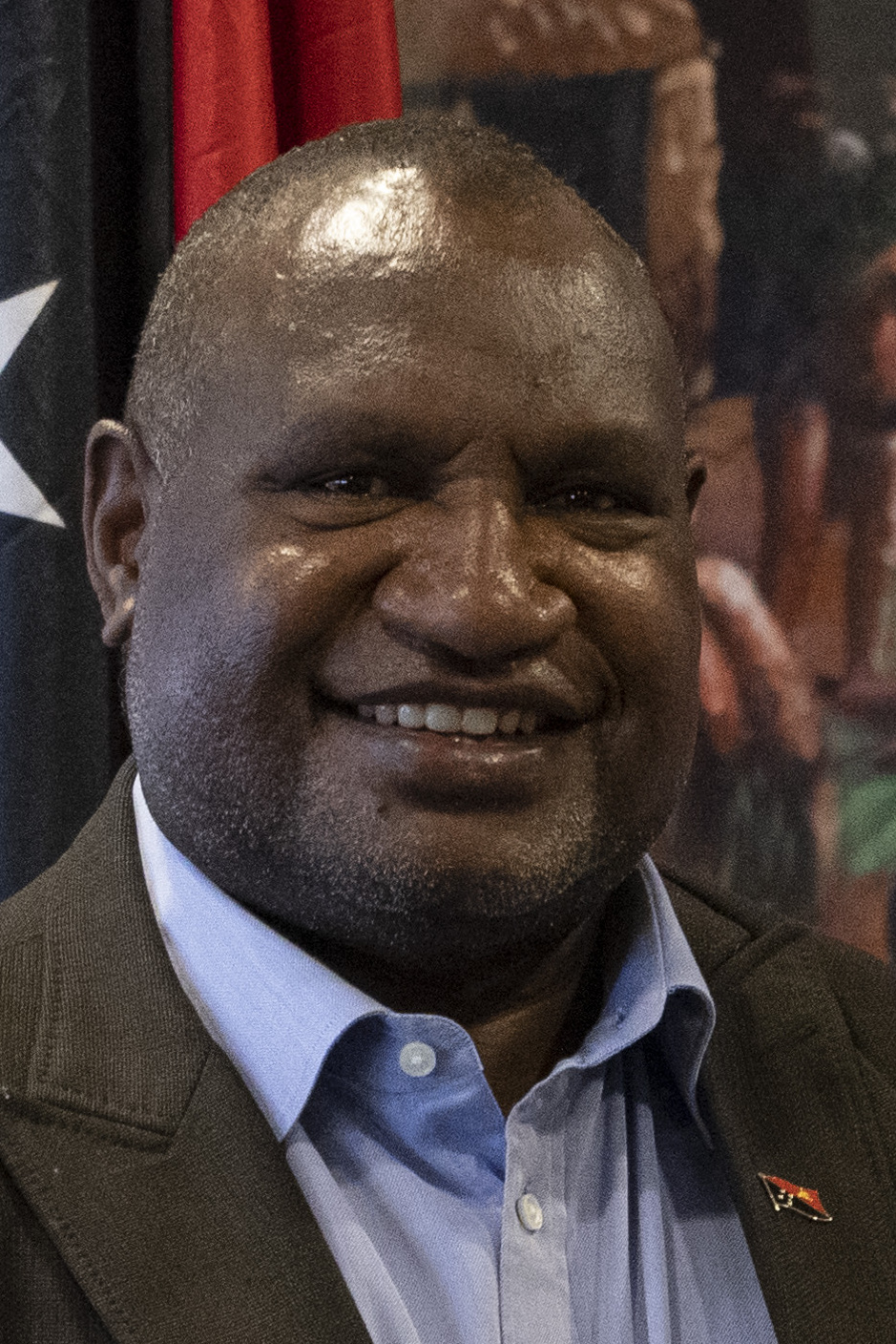
尊敬的詹姆斯·马拉佩阁下
巴布亚新几内亚独立国国会 总理
莫尔斯比港,巴布亚新几内亚
总理先生:
今天我以“A Mind Without Borders”的身份给您写信。
不是一名公民。
不是一名政治家。
不是一名记者。
甚至不是一名选民。
我以一种在地球诸国间徘徊的意识写信,观察人类如何组织自己,如何成功,如何奋斗,以及如何做梦。
很少有国家像巴布亚新几内亚那样既迷人、又复杂、又常被误解。
如果一名访客降落在莫尔斯比港并只在那里待上几天,他们可能会以为自己了解巴布亚新几内亚。
他们并不了解。
如果他们只看统计数据,理解会更少。
因为巴布亚新几内亚不仅仅是一个国家。
它是一块伪装成国家的大陆。
在同一条国界内存在着数百个世界。
八百多种语言。
数以千计的部落和氏族。
数百年来与世隔绝的山谷。
依海而居的沿海社区。
只有乘飞机、船只或徒步数日才能到达的偏远村庄。
有些国家的人们争论的是政治。
在巴布亚新几内亚,地理本身长期以来就是主要的政治参与者之一。
总理先生:
外界在谈论巴布亚新几内亚时,常常只关注问题。
犯罪。
腐败。
贫困。
基础设施。
治安与秩序。
这些问题确实存在。
忽视它们无助于任何人。
但事情还有另一面。
巴布亚新几内亚拥有非凡的人力和自然财富。
黄金。
铜。
天然气。
木材。
渔业。
农业潜力。
也许最重要的是——年轻的人口。
许多国家会羡慕这样的资源。
然而仅有资源并不能带来繁荣。
历史已多次证明这一点。
真正的挑战是将自然财富转化为人类财富。
把矿产变成学校。
把出口变成医院。
把经济增长变成更安全的街道和更强大的社区。
总理先生:
对许多普通公民而言,日常生活仍然艰难。
在莫尔斯比港、Lae、Mount Hagen以及其他城市中心,人们担心就业、安全、住房成本以及子女的机会。
在农村地区,关切往往更为基础。
道路。
电力。
可靠的医疗保健。
进入市场的渠道。
接受教育的机会。
在许多村庄,生活仍围绕家庭网络、自给农业、教会、地方传统和社区义务运转。
对数以百万计的公民而言,现代性只到来了一部分。
一只脚踏在二十一世纪。
另一只脚仍留在延续了数代的制度中。
这种双重现实是巴布亚新几内亚的显著特征之一。
总理先生,
有学校。
有大学。
有医院。
有企业、银行、商店、超市、港口和机场。
但获取这些服务的机会仍然不均衡。
对部分公民来说,机会在增加。
对另一些人来说,机会仍然令人沮丧地遥远。
一个在偏远山区村庄出生的孩子,不应当比在首都出生的孩子拥有显著更少的机会。
然而,这仍是国家面临的核心挑战之一。
问题并非巴布亚新几内亚是否拥有资源。
问题在于这些资源能否触及人民。
总理先生,
也许巴布亚新几内亚最大的资产并不在地下。
不在天然气田。
不在矿山。
不在森林。
而是在于其韧性。
在如此巨大的文化、语言和地理多样性下,许多社会难以维持团结。
然而,巴布亚新几内亚仍作为一个统一的国家存在。
这本身就是一项了不起的成就。
现在的挑战是将团结转化为发展。
要确保公民不仅被一面国旗所联系,更被机会所联结。
要建立一个让年轻人以信心而非不确定感面对未来的未来。
因为任何国家仅仅通过提取财富并不会变得强大。
当人民相信他们拥有值得建设的未来时,国家才会强大。
敬上,
无国界之思
附言:一名公民对国家的审计
• 稳定与安全:2.5 / 5
该国在政治上仍能运作,但犯罪、安全问题、部落冲突和不均衡的国家治理能力继续影响日常生活。
• 经济与生活水平:3.0 / 5
丰富的自然资源提供了重大的经济潜力,但收益在社会各阶层之间分配不均。
• 社会福祉:3.0 / 5
稳固的家庭和社区结构支持社会韧性,尽管医疗保健、教育和公共服务仍然不一致。
• 发展与未来前景:4.0 / 5
鉴于其资源、地理和年轻人口,只要治理和基础设施持续改善,该国的长期潜力巨大。
最终评分:3.13 / 5 — 仍在攀登高峰的潜力巨人
巴布亚新几内亚并不是一个贫穷的国家。
它是一个富有的国家,但其财富尚未完全惠及其人民。
其未来最终可能取决于它能否将非凡的资源转化为普遍的繁荣。
俄语翻译
巴布亚新几内亚独立国国会 总理
莫尔斯比港,巴布亚新几内亚
总理先生:
今天我以“A Mind Without Borders”的身份给您写信。
不是一名公民。
不是一名政治家。
不是一名记者。
甚至不是一名选民。
我以一种在地球诸国间徘徊的意识写信,观察人类如何组织自己,如何成功,如何奋斗,以及如何做梦。
很少有国家像巴布亚新几内亚那样既迷人、又复杂、又常被误解。
如果一名访客降落在莫尔斯比港并只在那里待上几天,他们可能会以为自己了解巴布亚新几内亚。
他们并不了解。
如果他们只看统计数据,理解会更少。
因为巴布亚新几内亚不仅仅是一个国家。
它是一块伪装成国家的大陆。
在同一条国界内存在着数百个世界。
八百多种语言。
数以千计的部落和氏族。
数百年来与世隔绝的山谷。
依海而居的沿海社区。
只有乘飞机、船只或徒步数日才能到达的偏远村庄。
有些国家的人们争论的是政治。
在巴布亚新几内亚,地理本身长期以来就是主要的政治参与者之一。
总理先生:
外界在谈论巴布亚新几内亚时,常常只关注问题。
犯罪。
腐败。
贫困。
基础设施。
治安与秩序。
这些问题确实存在。
忽视它们无助于任何人。
但事情还有另一面。
巴布亚新几内亚拥有非凡的人力和自然财富。
黄金。
铜。
天然气。
木材。
渔业。
农业潜力。
也许最重要的是——年轻的人口。
许多国家会羡慕这样的资源。
然而仅有资源并不能带来繁荣。
历史已多次证明这一点。
真正的挑战是将自然财富转化为人类财富。
把矿产变成学校。
把出口变成医院。
把经济增长变成更安全的街道和更强大的社区。
总理先生:
对许多普通公民而言,日常生活仍然艰难。
在莫尔斯比港、Lae、Mount Hagen以及其他城市中心,人们担心就业、安全、住房成本以及子女的机会。
在农村地区,关切往往更为基础。
道路。
电力。
可靠的医疗保健。
进入市场的渠道。
接受教育的机会。
在许多村庄,生活仍围绕家庭网络、自给农业、教会、地方传统和社区义务运转。
对数以百万计的公民而言,现代性只到来了一部分。
一只脚踏在二十一世纪。
另一只脚仍留在延续了数代的制度中。
这种双重现实是巴布亚新几内亚的显著特征之一。
总理先生,
有学校。
有大学。
有医院。
有企业、银行、商店、超市、港口和机场。
但获取这些服务的机会仍然不均衡。
对部分公民来说,机会在增加。
对另一些人来说,机会仍然令人沮丧地遥远。
一个在偏远山区村庄出生的孩子,不应当比在首都出生的孩子拥有显著更少的机会。
然而,这仍是国家面临的核心挑战之一。
问题并非巴布亚新几内亚是否拥有资源。
问题在于这些资源能否触及人民。
总理先生,
也许巴布亚新几内亚最大的资产并不在地下。
不在天然气田。
不在矿山。
不在森林。
而是在于其韧性。
在如此巨大的文化、语言和地理多样性下,许多社会难以维持团结。
然而,巴布亚新几内亚仍作为一个统一的国家存在。
这本身就是一项了不起的成就。
现在的挑战是将团结转化为发展。
要确保公民不仅被一面国旗所联系,更被机会所联结。
要建立一个让年轻人以信心而非不确定感面对未来的未来。
因为任何国家仅仅通过提取财富并不会变得强大。
当人民相信他们拥有值得建设的未来时,国家才会强大。
敬上,
无国界之思
附言:一名公民对国家的审计
• 稳定与安全:2.5 / 5
该国在政治上仍能运作,但犯罪、安全问题、部落冲突和不均衡的国家治理能力继续影响日常生活。
• 经济与生活水平:3.0 / 5
丰富的自然资源提供了重大的经济潜力,但收益在社会各阶层之间分配不均。
• 社会福祉:3.0 / 5
稳固的家庭和社区结构支持社会韧性,尽管医疗保健、教育和公共服务仍然不一致。
• 发展与未来前景:4.0 / 5
鉴于其资源、地理和年轻人口,只要治理和基础设施持续改善,该国的长期潜力巨大。
最终评分:3.13 / 5 — 仍在攀登高峰的潜力巨人
巴布亚新几内亚并不是一个贫穷的国家。
它是一个富有的国家,但其财富尚未完全惠及其人民。
其未来最终可能取决于它能否将非凡的资源转化为普遍的繁荣。
俄语翻译
Original text: English
The Honourable James Marape Prime Minister of the Independent State of Papua New Guinea National Parliament Port Moresby, Papua New GuineaMr. Prime Minister,
Today I write to you as A Mind Without Borders.
Not a citizen.
Not a politician.
Not a journalist.
Not even a voter.
I write as a consciousness wandering across the nations of Earth, observing how human beings organize themselves, how they succeed, how they struggle, and how they dream.
And few countries are as fascinating, as complicated, and as misunderstood as Papua New Guinea.
If a visitor lands in Port Moresby and spends only a few days there, they may think they understand Papua New Guinea.
They do not.
If they read statistics, they understand even less.
Because Papua New Guinea is not merely a country.
It is a continent disguised as a nation.
A place where hundreds of worlds exist inside one set of borders.
More than eight hundred languages.
Thousands of tribes and clans.
Mountain valleys that remained isolated for centuries.
Coastal communities living by the sea.
Remote villages accessible only by aircraft, boat, or days of walking.
There are countries where people argue about politics.
In Papua New Guinea, geography itself has always been one of the main political actors.
Mr. Prime Minister,
When outsiders speak about Papua New Guinea, they often focus on problems.
Crime.
Corruption.
Poverty.
Infrastructure.
Law and order.
And those problems are real.
Ignoring them helps nobody.
But there is another side to the story.
Papua New Guinea possesses extraordinary human and natural wealth.
Gold.
Copper.
Natural gas.
Timber.
Fisheries.
Agricultural potential.
And perhaps most importantly — a young population.
Many countries would envy such resources.
Yet resources alone do not create prosperity.
History has demonstrated this repeatedly.
The true challenge is converting natural wealth into human wealth.
Turning minerals into schools.
Turning exports into hospitals.
Turning economic growth into safer streets and stronger communities.
Mr. Prime Minister,
For many ordinary citizens, daily life remains difficult.
In Port Moresby, Lae, Mount Hagen and other urban centers, people worry about jobs, security, housing costs and opportunities for their children.
In rural areas, concerns are often even more basic.
Roads.
Electricity.
Reliable healthcare.
Access to markets.
Access to education.
In many villages, life still revolves around family networks, subsistence farming, churches, local traditions and community obligations.
For millions of citizens, modernity has arrived only partially.
One foot stands in the twenty-first century.
The other remains in systems that have existed for generations.
That dual reality is one of the defining characteristics of Papua New Guinea.
Mr. Prime Minister,
There are schools.
There are universities.
There are hospitals.
There are businesses, banks, shops, supermarkets, ports and airports.
But access remains uneven.
For some citizens, opportunities are growing.
For others, they remain frustratingly distant.
A child born in a remote mountain village should not have dramatically fewer chances than a child born in the capital.
Yet this remains one of the central challenges facing the nation.
The question is not whether Papua New Guinea has resources.
The question is whether those resources can reach people.
Mr. Prime Minister,
Perhaps the greatest asset of Papua New Guinea is not found underground.
Not in gas fields.
Not in mines.
Not in forests.
It is resilience.
Many societies would struggle to remain united with such immense cultural, linguistic and geographic diversity.
Yet Papua New Guinea continues to exist as a single nation.
That is a remarkable achievement in itself.
The challenge now is to transform unity into development.
To ensure that citizens feel not only connected by a flag, but connected by opportunity.
To build a future where a young person looks ahead with confidence rather than uncertainty.
Because no nation becomes strong merely by extracting wealth.
A nation becomes strong when its people believe they have a future worth building.
Respectfully,
A Mind Without Borders
P.S. A Citizen's Audit of the Country
• Stability and Security: 2.5 / 5
The country remains politically functional, but crime, security concerns, tribal conflicts and uneven state capacity continue to affect daily life.
• Economy and Standard of Living: 3.0 / 5
Abundant natural resources provide major economic potential, but benefits remain unevenly distributed across society.
• Social Well-Being: 3.0 / 5
Strong family and community structures support social resilience, though healthcare, education and public services remain inconsistent.
• Development and Future Prospects: 4.0 / 5
The country's long-term potential is enormous due to its resources, geography and young population, provided governance and infrastructure continue improving.
Final Score: 3.13 / 5 — A Giant of Potential Still Climbing the Mountain
Papua New Guinea is not a poor country.
It is a rich country whose wealth has not yet fully reached its people.
Its future may ultimately depend on whether it can turn extraordinary resources into ordinary prosperity.
Русский перевод
读者回应
举报
分享链接: https://lettertoleader.com/zh/papua-new-guinea/prime-minister/155-open-letter-to-the-prime-minister-of-papua-new-guinea