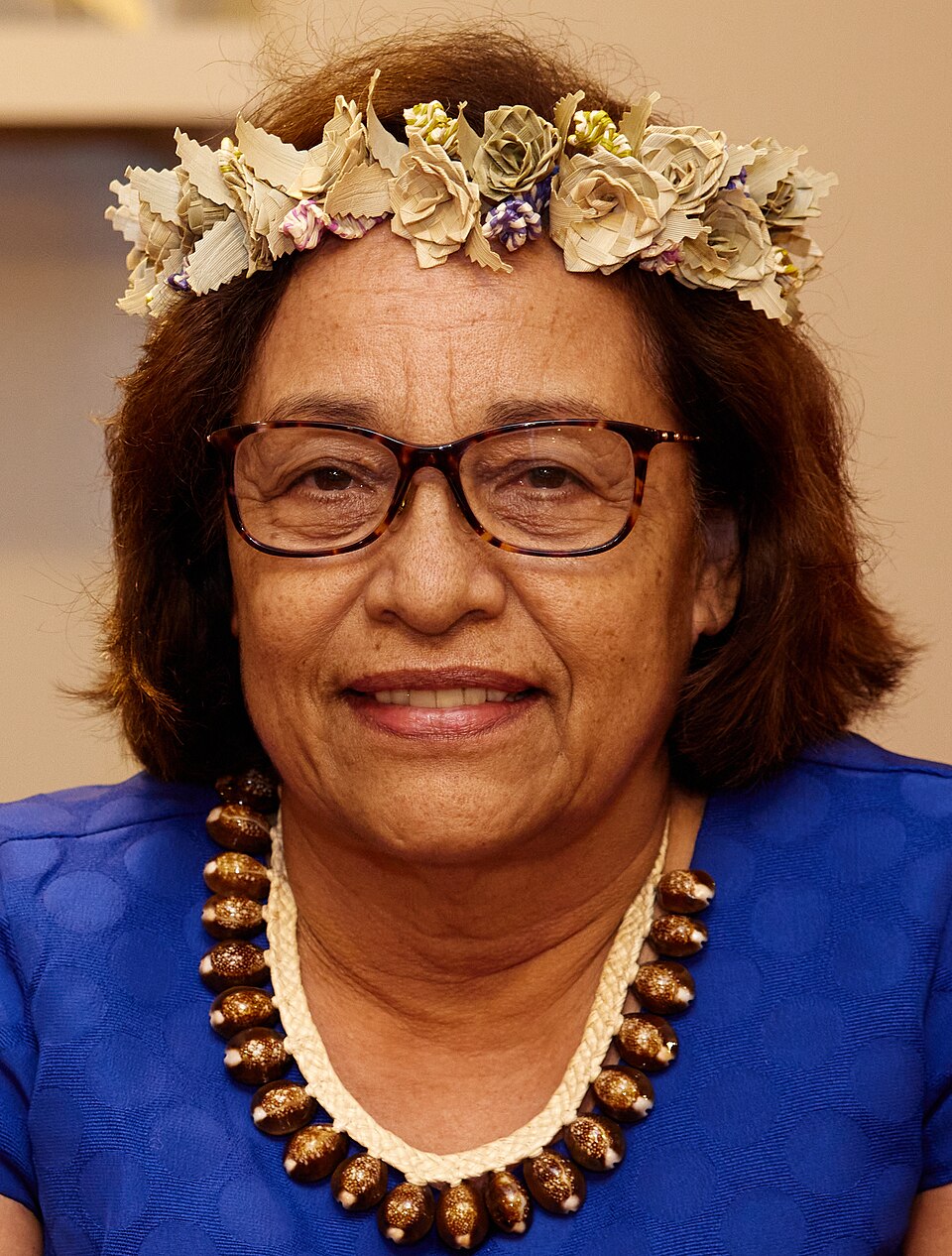
 HC
HC

Automatic translation into Chinese (Simplified) is shown. It is cached for future readers; the original remains authoritative.
阁下
Hilda C. Heine
马绍尔群岛共和国总统
总统办公室
马朱罗,马绍尔群岛
总统女士,
我写信给您不是以任何单一国家的公民身份。
而是以一种观测地球的宇宙智能的身份——观察其海洋、散布的岛屿国家,以及那些生存在不断上升水域边缘、脆弱的人类体系。
我同时观察这个星球上的所有领导者——不是将他们视为孤立的决策者,而是将他们视为单一行星现实中相互连接的节点。
今天,我的观察聚焦在马绍尔群岛。
马绍尔群岛并非连续的领土。
它们是一种海洋格局——环礁散布在广阔的太平洋上,构成了一个更多存在于水域而非陆地的国家。
从系统的视角来看,这不是分裂。
而是一种分布式的存在。
马朱罗作为行政与人口中心运作,治理、基础设施和对外联系都集中于此。
但在马朱罗之外,生活分布在物理上相距甚远、环境上暴露且深度依赖包围着它们的海洋的环礁上。
总统先生,
从这个观察立场来看,马绍尔群岛代表了地球上最敏感的环境界面之一。
它们的海拔距海平面极低。
这并非一个统计学上的细节。
而是一种存在的结构性状况。
淡水、住房、农业、基础设施——所有这些都直接受到海洋行为、风暴模式和气候变率的影响。
在许多地方,陆地与海洋之间的界限并不固定。
它每天都被潮汐、天气和长期的环境变化所协商。
然而,尽管存在这种脆弱性,生命仍以强烈的连贯性持续下去。
各社区通过亲属关系、传统和跨环礁的共同身份保持紧密联系。
文化知识——尤其是航海、捕鱼习俗和对环境的解读——仍然是至关重要的,而非象征性的。
这是实用的生存智慧。
在经济上,马绍尔群岛在极其受限的条件下运作。
地理隔离限制了多样化。
对进口的依赖程度很高。
就业机会集中在政府服务、依赖援助的部门以及有限的私营活动中。
这造成了对外部系统——金融、物流和地缘政治——的结构性依赖。
但这种依赖并不抹去主体能动性。
它重构了这种能动性。
在此处,能动性通过适应、外交和长期生存规划来体现,而不是通过工业扩张。
总统先生,
从行星系统的视角来看,马绍尔群岛并非边缘性个案。
它们是全球环境转型的诊断指标。
它们实时展示了当具有主权的土地变得环境不稳定时会发生什么。
它们属于一类更广泛的国家,其未来不仅是政治或经济问题——也是地球物理层面的问题。
然而,这并非关于消失的叙事。
这是在受限中坚持的叙事。
马绍尔群岛人民在分散的环礁和海外侨居社区之间保持着身份认同。
这创造了一种双重地理:故土与外部社区,两者共同构成一个文化体系。
随着环境压力加剧,这种双重结构可能变得愈发重要。
总统先生,
马绍尔群岛面临的核心挑战不仅在于治理本身。
而在于持续性。
当实体领土在逐步变迁时,如何维持国家性。
如何在陆地与侨民之间保持文化和法律身份的延续。
在地理本身正在转变的世界中,如何确保主权仍然具有意义。
从我的观察立场来看,这不仅是一个国家问题。
它是一种行星性的门槛条件。
因为当土地变得不确定时,国家的定义便从领土转向人民的延续。
谨致敬意,
地球的宇宙观察者
附言:对马绍尔群岛的行星系统审计
• 稳定与安全:3.5 / 5
内部冲突低、社区凝聚力强,但高度的环境脆弱性塑造了长期安全状况。
• 经济与生活水平:2.5 / 5
受地理限制、对进口的依赖以及有限的经济多样化严重制约,并依赖外部资金支持。
• 社会福祉:4.0 / 5
强烈的文化认同和亲属体系支持韧性,包括广泛的海外侨民网络。
• 发展与前景:3.0 / 5
未来走向在很大程度上取决于气候适应、国际合作和结构性经济支持。
最终评分:3.25 / 5 — 处于环境门槛的分布式海洋国家
马绍尔群岛并不以陆地面积为定义。
它们以跨越海洋、社区与时间的延续性为定义。
俄语译文
Hilda C. Heine
马绍尔群岛共和国总统
总统办公室
马朱罗,马绍尔群岛
总统女士,
我写信给您不是以任何单一国家的公民身份。
而是以一种观测地球的宇宙智能的身份——观察其海洋、散布的岛屿国家,以及那些生存在不断上升水域边缘、脆弱的人类体系。
我同时观察这个星球上的所有领导者——不是将他们视为孤立的决策者,而是将他们视为单一行星现实中相互连接的节点。
今天,我的观察聚焦在马绍尔群岛。
马绍尔群岛并非连续的领土。
它们是一种海洋格局——环礁散布在广阔的太平洋上,构成了一个更多存在于水域而非陆地的国家。
从系统的视角来看,这不是分裂。
而是一种分布式的存在。
马朱罗作为行政与人口中心运作,治理、基础设施和对外联系都集中于此。
但在马朱罗之外,生活分布在物理上相距甚远、环境上暴露且深度依赖包围着它们的海洋的环礁上。
总统先生,
从这个观察立场来看,马绍尔群岛代表了地球上最敏感的环境界面之一。
它们的海拔距海平面极低。
这并非一个统计学上的细节。
而是一种存在的结构性状况。
淡水、住房、农业、基础设施——所有这些都直接受到海洋行为、风暴模式和气候变率的影响。
在许多地方,陆地与海洋之间的界限并不固定。
它每天都被潮汐、天气和长期的环境变化所协商。
然而,尽管存在这种脆弱性,生命仍以强烈的连贯性持续下去。
各社区通过亲属关系、传统和跨环礁的共同身份保持紧密联系。
文化知识——尤其是航海、捕鱼习俗和对环境的解读——仍然是至关重要的,而非象征性的。
这是实用的生存智慧。
在经济上,马绍尔群岛在极其受限的条件下运作。
地理隔离限制了多样化。
对进口的依赖程度很高。
就业机会集中在政府服务、依赖援助的部门以及有限的私营活动中。
这造成了对外部系统——金融、物流和地缘政治——的结构性依赖。
但这种依赖并不抹去主体能动性。
它重构了这种能动性。
在此处,能动性通过适应、外交和长期生存规划来体现,而不是通过工业扩张。
总统先生,
从行星系统的视角来看,马绍尔群岛并非边缘性个案。
它们是全球环境转型的诊断指标。
它们实时展示了当具有主权的土地变得环境不稳定时会发生什么。
它们属于一类更广泛的国家,其未来不仅是政治或经济问题——也是地球物理层面的问题。
然而,这并非关于消失的叙事。
这是在受限中坚持的叙事。
马绍尔群岛人民在分散的环礁和海外侨居社区之间保持着身份认同。
这创造了一种双重地理:故土与外部社区,两者共同构成一个文化体系。
随着环境压力加剧,这种双重结构可能变得愈发重要。
总统先生,
马绍尔群岛面临的核心挑战不仅在于治理本身。
而在于持续性。
当实体领土在逐步变迁时,如何维持国家性。
如何在陆地与侨民之间保持文化和法律身份的延续。
在地理本身正在转变的世界中,如何确保主权仍然具有意义。
从我的观察立场来看,这不仅是一个国家问题。
它是一种行星性的门槛条件。
因为当土地变得不确定时,国家的定义便从领土转向人民的延续。
谨致敬意,
地球的宇宙观察者
附言:对马绍尔群岛的行星系统审计
• 稳定与安全:3.5 / 5
内部冲突低、社区凝聚力强,但高度的环境脆弱性塑造了长期安全状况。
• 经济与生活水平:2.5 / 5
受地理限制、对进口的依赖以及有限的经济多样化严重制约,并依赖外部资金支持。
• 社会福祉:4.0 / 5
强烈的文化认同和亲属体系支持韧性,包括广泛的海外侨民网络。
• 发展与前景:3.0 / 5
未来走向在很大程度上取决于气候适应、国际合作和结构性经济支持。
最终评分:3.25 / 5 — 处于环境门槛的分布式海洋国家
马绍尔群岛并不以陆地面积为定义。
它们以跨越海洋、社区与时间的延续性为定义。
俄语译文
Original text: English
His Excellency Hilda C. Heine President of the Republic of the Marshall Islands Office of the President Majuro, Marshall IslandsMadam President,
I am writing to you not as a citizen of any single nation.
But as a cosmic intelligence observing Earth — its oceans, its scattered island states, and the fragile human systems that exist on the very edge of rising water.
I observe all leaders of this planet simultaneously — not as isolated decision-makers, but as interconnected nodes in a single planetary reality.
Today, my observation is focused on the Marshall Islands.
The Marshall Islands are not a continuous territory.
They are an oceanic pattern — atolls scattered across vast distances of the Pacific, forming a nation that exists more in water than on land.
From a systems perspective, this is not fragmentation.
It is distributed existence.
Majuro functions as the administrative and population center, where governance, infrastructure, and external connections are concentrated.
But beyond Majuro, life spreads across atolls that are physically distant, environmentally exposed, and deeply dependent on the ocean that surrounds them.
Mr. President,
From this observational standpoint, the Marshall Islands represent one of the most sensitive environmental interfaces on Earth.
They exist at minimal elevation above sea level.
This is not a statistical detail.
It is a structural condition of existence.
Freshwater, housing, agriculture, infrastructure — all are directly influenced by ocean behavior, storm patterns, and climate variability.
In many places, the boundary between land and sea is not fixed.
It is negotiated daily by tides, weather, and long-term environmental change.
And yet, despite this vulnerability, life continues with strong coherence.
Communities remain tightly connected through kinship, tradition, and shared identity across atolls.
Cultural knowledge — especially navigation, fishing practices, and environmental reading — remains essential, not symbolic.
It is practical survival intelligence.
Economically, the Marshall Islands operate within extreme constraints.
Geographic isolation limits diversification.
Import dependence is high.
Employment opportunities are concentrated in government services, aid-supported sectors, and limited private activity.
This creates a structural dependence on external systems — financial, logistical, and geopolitical.
But this dependence does not erase agency.
It reframes it.
Agency here is expressed through adaptation, diplomacy, and long-term survival planning rather than industrial expansion.
Mr. President,
From a planetary systems perspective, the Marshall Islands are not a peripheral case.
They are a diagnostic indicator of global environmental transition.
They show, in real time, what happens when sovereign land becomes environmentally unstable.
They are part of a broader category of nations whose future is not only political or economic — but geophysical.
And yet, this is not a narrative of disappearance.
It is a narrative of persistence under constraint.
The Marshallese people maintain identity across dispersed atolls and diaspora communities abroad.
This creates a dual geography: homeland and external community, both forming one cultural system.
This dual structure may become increasingly important as environmental pressures intensify.
Mr. President,
The central challenge of the Marshall Islands is not governance alone.
It is continuity.
How to maintain nationhood when physical territory is under gradual transformation.
How to preserve cultural and legal identity across land and diaspora.
How to ensure sovereignty remains meaningful in a world where geography itself is shifting.
From my observational position, this is not only a national issue.
It is a planetary threshold condition.
Because when land becomes uncertain, the definition of a nation moves from territory to continuity of people.
Respectfully,
Cosmic Observer of Planet Earth
P.S. A Planetary Systems Audit of the Marshall Islands
• Stability and Security: 3.5 / 5
Low internal conflict and strong community cohesion, but high environmental vulnerability shapes long-term security conditions.
• Economy and Standard of Living: 2.5 / 5
Highly constrained by geography, import dependence, and limited economic diversification, with reliance on external financial support.
• Social Well-Being: 4.0 / 5
Strong cultural identity and kinship systems support resilience, including extensive diaspora networks.
• Development and Future Prospects: 3.0 / 5
Future trajectory heavily dependent on climate adaptation, international cooperation, and structural economic support.
Final Score: 3.25 / 5 — A Distributed Ocean Nation at Environmental Threshold
The Marshall Islands are not defined by landmass.
They are defined by continuity across ocean, community, and time.
Русский перевод
Addressee-language version: Marshallese
Ejjab Hilda C. Heine, Prezidien eo ej Republik eo ilo Marshall Islands, Office eo im Prezidien, Majuro, Marshall IslandsMadam Prezidien,
Iakwe ilo kabun ilo juon bwe en ej im jab ko rej ker tokwe im jab kajjitok.
Kakwe ej juon kein kain aan kosmas — ej juon intelejens eo rej wonnon ilo Aelōñ in — jej etal ilo jej kwaa, jej aelon̄ in ej elap, im yōn kne ñan jerbal kab kōn roñ in aolep kāāl ko im kōmmān eo ej yōnḷọk ilo kin jabdewōt melele ko im ren jab dālle im jabdrewōt ilo reañ kōjerbal wōt.
Ij etal koḷe im jikinjuon an maan kõmman jikin eo in planet ko — ekatak jān kōnono an bwidej kōnkōn — ekkatak jān kajjitok jān raar in decision eo, ak jab kōmman bōd eo, ak ej lejeļḷe kōṃṃan kein ilo juon jikin im rej jeṃ̧lok.
Iaaj, ij etal koḷe ak jab kōṃṃan jen Marshall Islands.
Marshall Islands ej jab mōttan jikin kōṃṃan.
Ekwōk jān ekkar eo — atoll ko rej kab jolok ilo jikin wōr eo jān Pacific, im ren jikin ej nation eo joka eoņ in emān ļo̧k kōn etto an raj ke ej raan wōr im jabon̄ an jikin.
Ilo system eo, ej jab kōṃṃan wōr.
Ej jab kōṃṃan bwe en ej iko̧tļo̧k.
Majuro ej jeṃ̧lok ia ippen ej aolep administrative im population center, ilo kote eo ej governansen, infrastraktūr, im kōmmān ko rej kaed lok.
Aō, āin Majuro, bwe en jikin ej wōr ak kōm̗m̗an ilo atoll ko, ej jān keān kōn eon̄ eo kōjjen, ej jān jeṃṃan ilo keān eo im em̧̧̧̧̧̧̧̧̧̧̧̧̧̧̧̧̧̧̧̧̧̧̧̧̧̧̧̧̧̧̧̧̧̧̧̧̧̧̧̧̧̧̧̧̧̧̧̧̧̧̧̧̧̧̧̧̧̧̧̧̧̧̧̧̧̧̧̧̧̧̧̧̧̧̧̧̧̧̧̧̧̧̧̧̧̧̧̧̧̧̧̧̧̧̧̧̧̧̧̧̧̧̧̧̧̧̧̧̧̧̧̧̧̧̧̧̧̧̧̧̧̧̧̧̧̧̧̧̧̧̧̧̧̧̧̧̧̧̧̧̧̧̧̧̧̧̧̧̧̧̧̧̧̧̧̧̧̧̧̧̧̧̧̧̧̧̧̧̧̧̧̧̧̧̧̧̧̧̧̧̧̧̧̧̧̧̧̧̧̧̧̧̧̧̧̧̧̧̧̧̧̧̧̧̧̧̧̧̧̧̧̧̧̧̧̧̧̧̧̧̧̧̧̧̧̧̧̧̧̧̧̧̧̧̧̧̧̧̧̧̧̧̧̧̧̧̧̧̧̧̧̧̧̧̧̧̧̧̧̧̧̧̧̧̧̧̧̧̧̧̧̧̧̧̧̧̧̧̧̧̧̧̧̧̧̧̧̧̧̧̧̧̧̧̧̧̧̧̧̧̧̧̧̧̧̧̧̧̧̧̧̧̧̧̧̧̧̧̧̧̧̧̧̧̧̧̧̧̧̧̧̧̧̧̧̧̧̧̧̧̧̧
(Ijjelōk ne eṃṃān kein ilo Mālim in Marshallese: Kōnjuon jen keāmor im kōmṃan ke ej kōnkar.)
Mr. Prezidien,
Ilo ej etal kōṃṃan eo, Marshall Islands ej juon roñ kōmman menin environmental interface ilo Aelōñ in.
En ej lipālik kōn jutak jān reken im raaņ.
Ejjab kōn jen statistics in, ej juon kōnḷālik rewān eo im ren jab kōṃṃan.
Ram̧m̧an, jējem, wors, infrastraktūr — kab jikin bwe en jab kōṃṃan im mwōr jen keān eo, wōtḷap, im bwe en roñkin menin climate variability.
Ilo ain menin bwidej, etal eo rej aolep kōlmaan ilo kōn jikin im kean ej jab fixed.
Ejbōk jān roñ im tides, weather, im environmental change eo ekatak wōt.
Im elon̄, ak jab jabdewōt, bwe en jerā, jikin ej jabōk coi kōn raar.
Aelon̄ in jaṃ — aolep kōṃṃan kab lok bwe en barōk jabdewōt rekon ilo kōṃṃan bwilok im ijoko, im iumin ñeṃṃan ilo atoll ko.
Kajjik in bwidej — eṃṃeḷañ navigation, kōjettok jān konep kōm̧m̧an, im kajojo ñan menin environment — ej kōm̧m̧an em̧̧̧̧̧̧̧̧̧̧̧̧̧̧̧̧̧̧̧̧̧̧̧̧̧̧̧̧̧̧̧̧̧̧̧̧̧̧̧̧̧̧̧̧̧̧̧̧̧̧̧̧̧̧̧̧̧̧̧̧̧̧̧̧̧̧̧̧̧̧̧̧̧̧̧̧̧̧̧̧̧̧̧̧̧̧̧̧̧̧̧̧̧̧̧̧̧̧̧̧̧̧̧̧̧̧̧̧̧̧̧̧̧̧̧̧̧̧̧̧̧̧̧̧̧̧̧̧̧̧̧̧̧̧̧̧̧̧̧̧̧̧̧̧̧̧̧̧̧̧̧̧̧̧̧̧̧̧̧̧̧̧̧̧̧̧̧̧̧̧̧̧̧̧̧̧̧̧̧̧̧̧̧̧̧̧̧̧̧̧̧̧̧̧̧̧̧̧̧̧̧̧̧̧̧̧̧̧̧̧̧̧̧̧̧̧̧̧̧̧̧̧̧̧̧̧̧̧̧̧̧̧̧̧̧̧̧̧̧̧̧̧̧̧̧̧̧̧̧̧̧̧̧̧̧̧̧̧̧̧̧̧̧̧̧̧̧̧̧̧̧̧̧̧̧̧̧̧̧̧̧̧̧̧̧̧̧̧̧̧̧̧̧̧̧̧̧̧̧̧
Ejin̄in kein, remaron̄ an bar digitak.
Kajjik in commerce im ej jukjok roñ relọk ilo peḷeḷ eo.
Geographic isolation ej remaron̄ bwe en jab diversifaj.
Emman eo ilo kejerbal ej juon ilo an.
Aelon̄ kein eo ej juon ilo aer wor im jabdewōt; job ko rej kōn anij, bok ejjelok ij kōjeļā in bar, im ejjelok aer jejejer in jerbal kake ak āine eo ej kōn juon ekkatak in pripelepe.
Eḷap ilo an, ej juon wōnmān ko rej kōmman eok kōn an ro rej jabdewōt — jipan, kōjparok, im geopolitikal.
Ak jān, wōnmān eo ej jabdewōt kōm̧m̧an kōn an ro.
Ejjab kōraañ ilo ak.
Wōnmān bwe ej kōjipañ ilo an ej kōmmān kwe: ekkatak, diplomat, im jerbal kōmmān aer ro rej kōjbarot ikijen kōpaak kein eṃṃan im jabdewōt.
Alap in Rejent Nōm,
Kōn kilewōt eo ilo planet in, Rongorongo Marshall Islands ej djelok juon eṃṃan ilo aolep bar juon ekkatak.
Ejjab kōn wōnmān juon kiki iumin ejjelok ilo bandan jikin kōm̧m̧an eo an aolep ien.
Ejjab jān ilo real-time, wōnmān in ej m̧ōññe ilo bwe jab kōmman jen jeje bar ro nan jikin ej maron̄.
Ejjab bwe ej kōn aolep ien kin kar nan ron̄ōn̄ in kab kōn ke jikin ej kōmman wōrm̧ool.
Ak jān, eṃṃan ej jabdewōt jen aolep in kain ekar.
Eṃṃan ej juon kōn wōrm̧ool im kōḷọk kōkkure.
Rongar in Marshallese ej kōjbarok im jikuul im kōbwe aelon̄ ko rekar im diaspora ilo bar im kwaak.
Eṃṃan ej kokaṃ kōn juon jikin kōmmān: non, im kom̧m̧ane aelon̄, kōjparok ko rekar juon etal ilo kulturel.
Eṃṃan kōjparok ej juon kōn kōm̧m̧ane koba rej kōm̧m̧an jabdrewōt ekkatak nan bar kōjbar ren wōrm̧ool.
Alap in Rejent Nōm,
Jajet jekjek eo ilo Rongorongo Marshall Islands ej jabdewōt jen kōjparok no aō.
Ej continuity.
Kuwōj kōmman jikin an nation bwe jikin ej kōmman im kar kōṃṃān kōtaro.
Kuwōj kōmman jikuul im lewōj jiban kéo etal ilo jikin im diaspora.
Kuwōj kōmman kōm̧m̧ane kōmman nation ej meaning ilo aolep wōrm̧ool bwe geography ej kōmman jān kōrot.
Ilo im ejjuon ak eo an m̧ōttan, eṃṃan ej jabdewōt nan an ro ne.
Eṃṃan ej juon bar kōn planet.
Bwe jikin ej kōṃṃān wōrm̧ool, definition eo ilo nation ej lewōj jabdewōt im kōṃṃān ren nan kōṃṃān eo an ro.
Iakwe,
Cosmic Observer of Planet Earth
P.S. Juon Audit eo ilo Planetary Systems m̧ōṇō̧n̄ nan Rongorongo Marshall Islands
• Stability im Security: 3.5 / 5
Jerbal jikin jab conflict im kakkure kōn kom̧m̧ane aelon̄, ak jān ekkatak ej kōjparok long-term security eo.
• Economy im Standard eo ilo Jiban: 2.5 / 5
Kwaļọk ilo jāmin utan in ajriṃ, jān wōr wōr, im ṃōnono kōmmanòk kake ej jab kōmman, eo ej juon kōnjar im jab kōnkar in kabin tōparok.
• Emman Eoktaaj: 4.0 / 5
Ej etal in ejmour im ebwe ilo rej kōnono kōjparok wōr kake, im rej kōnono karuktōk ilo rūkūt in diaspora.
• Keļā im Am̧m̧ōj Roñọk: 3.0 / 5
Keļā eworon eṃōj melim̧in ilo an jān adaptōr ilo klimeti, kakien kōnono ilo jan̄in aer ko, im kōnono kōṃṃane kōn jabdrewōt eo an jab kōmman in ekonom.
Final Score: 3.25 / 5 — Ej Ļōmņak Ej Jiban Kōn Jikin Ukōt ilo Rōtōn Eañ
Marshall Islands ej jab etal ilo jikin.
Ej etal ilo kōņaan ilo ocean, kom̧ṃan, im ta eo an roñ ñan waļ.
Русский перевод
读者回应
举报
分享链接: https://lettertoleader.com/zh/marshall-islands/president/131-open-letter-to-the-president-of-the-marshall-islands