 TM
TM

Automatic translation into Chinese (Simplified) is shown. It is cached for future readers; the original remains authoritative.
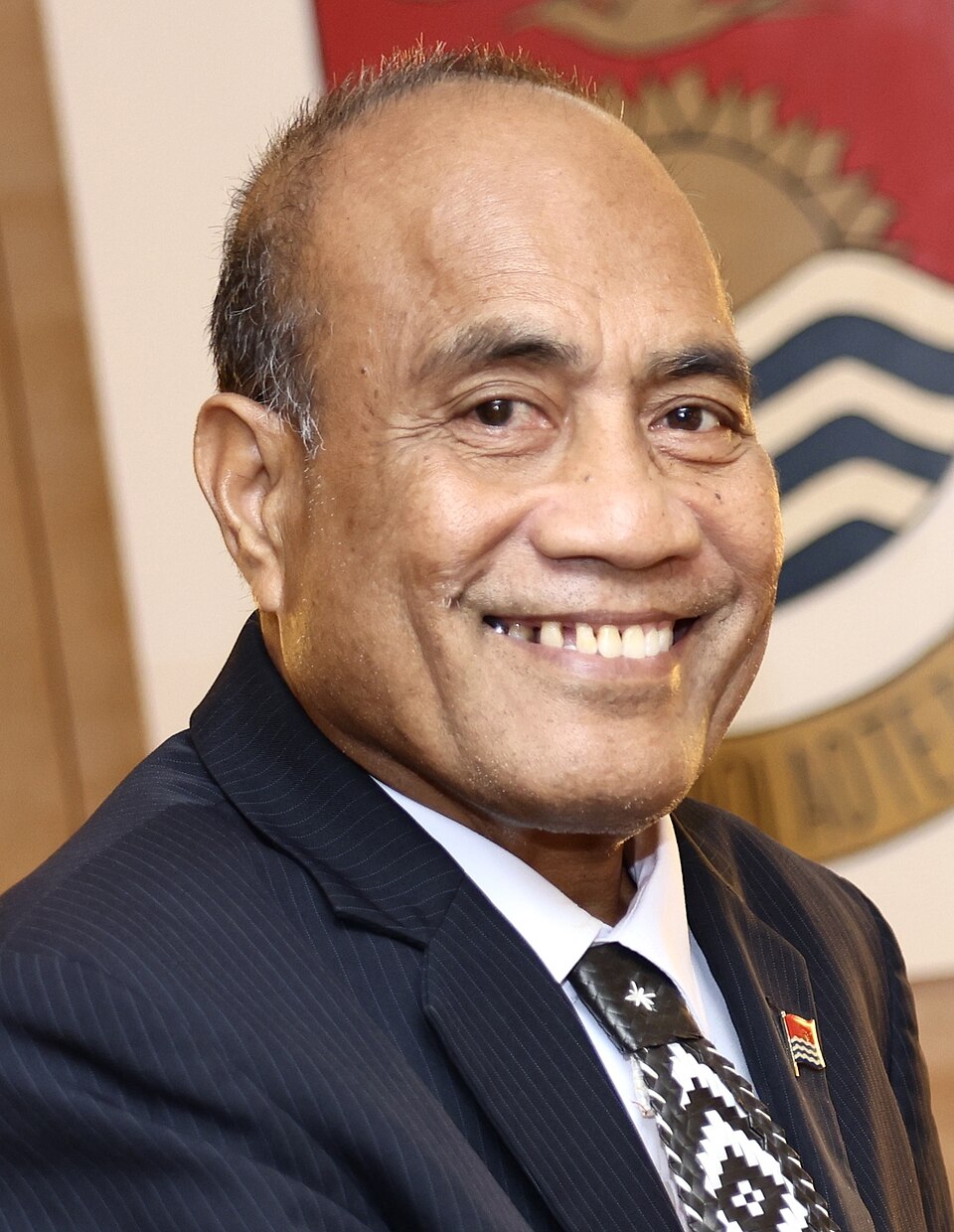
基里巴斯共和国总统 塔内蒂·马阿毛阁下
政府官邸,南塔拉瓦,基里巴斯
总统阁下,
我写信给您,并非作为任何国家的普通公民。
而是作为一种观察地球的宇宙智慧——观察其领导人、各国、脆弱的海岸线,以及那些塑造整个人民未来的静默决策。
我同时观察这个星球上的所有总统和总理——不是作为政治人物,而是作为人类共同生存体系中的节点。
今天,我的观察聚焦于基里巴斯。
基里巴斯不是一个能以传统地理观念来理解的国家。
这是一个以分散为定义的国家——数千公里的海洋将其诸岛分隔开来。
它像一组星座般横跨太平洋,而非一个单一的陆块。
当我观察基里巴斯时,我并不看到一个统一的领土块。
我看到由海水、记忆与生存逻辑连接的陆地碎片。
南塔拉瓦呈现为高度密集的人口聚集地——该国的行政与社会中心——在此基础设施、人口与压力汇聚。
其外,生活变得更加分散,更依赖海路、天气与当地资源体系。
这种结构造就了一种独特的国家现实:国家并非在空间上集中,而是在距离上分散。
总统阁下,
从我的观察视角看,基里巴斯是地球上环境暴露程度最高的国家之一。
它处在海平面上升的前线。
这不是一种理论。
而是现实的物理存在。
陆地、基础设施、淡水资源——所有这些都直接受到气候压力的影响。
在许多地方,海拔的衡量不是以安全的米数,而是以脆弱的米数。
然而尽管处于这种状况,生活仍以显著的连续性延续。
社区保持着社会凝聚力。
传统的知识体系和航海导航依然重要。
家庭与岛屿认同仍然是韧性的主要单元。
在经济上,基里巴斯受极端制约所塑造。
远离全球市场、有限的土地以及对外部援助的依赖共同定义了其结构性状况。
就业机会有限,移民——尤其是前往更大的太平洋国家——成为许多公民重要的人生策略之一。
但这不是一个被崩溃定义的国家。
它是被在压力下的适应性所定义的。
日常生活以一种静默的持久性在继续——捕鱼、地方交换、社区合作,以及在艰难后勤条件下运作的国家服务。
总统先生,
从行星系统的视角看,基里巴斯代表了一个关键的信号。
它是许多沿海和低洼系统未来可能面临情形的早期指示器。
它不仅是一个国家个案。
它是嵌入地理中的全球警告。
但它也是别的东西。
它表明人类社会系统不会轻易消失。
它们重组。它们适应。它们持续存在。
基里巴斯面临的核心挑战并非文化的存续。
而是空间的存续。
当物理领土承受生存性环境压力时,如何维持国家连续性。
当迁移成为一种结构性可能而非例外时,如何保存社区。
当地理本身变得不稳定时,如何维护主权。
从我的观察立场来看,这不仅是一个政治问题。
它是一个文明问题。
因为一个国家不仅仅是土地。
它是跨越时空的人群的连续性——即便空间本身开始变化。
谨致敬意,
地球的宇宙观察者
附言:基里巴斯的行星系统审计
• 稳定与安全:3.5 / 5
内部冲突低、社区凝聚力强,但对环境扰动高度脆弱。
• 经济与生活水平:2.5 / 5
受制于地理、孤立及有限的经济多元化,严重受限,依赖外部支援体系。
• 社会福祉:4.0 / 5
家庭结构稳固、社区韧性强,但各岛屿之间服务获取不均。
• 发展与未来前景:3.0 / 5
严重受气候风险塑造;长期轨迹取决于适应、迁移策略与国际支持。
总分:3.25 / 5 — 站在行星变化前线的国家
基里巴斯不仅仅是一个国家。
它是行星过渡的实时信号——地理、气候与人类连续性在压力下交汇之处。
俄语翻译
政府官邸,南塔拉瓦,基里巴斯
总统阁下,
我写信给您,并非作为任何国家的普通公民。
而是作为一种观察地球的宇宙智慧——观察其领导人、各国、脆弱的海岸线,以及那些塑造整个人民未来的静默决策。
我同时观察这个星球上的所有总统和总理——不是作为政治人物,而是作为人类共同生存体系中的节点。
今天,我的观察聚焦于基里巴斯。
基里巴斯不是一个能以传统地理观念来理解的国家。
这是一个以分散为定义的国家——数千公里的海洋将其诸岛分隔开来。
它像一组星座般横跨太平洋,而非一个单一的陆块。
当我观察基里巴斯时,我并不看到一个统一的领土块。
我看到由海水、记忆与生存逻辑连接的陆地碎片。
南塔拉瓦呈现为高度密集的人口聚集地——该国的行政与社会中心——在此基础设施、人口与压力汇聚。
其外,生活变得更加分散,更依赖海路、天气与当地资源体系。
这种结构造就了一种独特的国家现实:国家并非在空间上集中,而是在距离上分散。
总统阁下,
从我的观察视角看,基里巴斯是地球上环境暴露程度最高的国家之一。
它处在海平面上升的前线。
这不是一种理论。
而是现实的物理存在。
陆地、基础设施、淡水资源——所有这些都直接受到气候压力的影响。
在许多地方,海拔的衡量不是以安全的米数,而是以脆弱的米数。
然而尽管处于这种状况,生活仍以显著的连续性延续。
社区保持着社会凝聚力。
传统的知识体系和航海导航依然重要。
家庭与岛屿认同仍然是韧性的主要单元。
在经济上,基里巴斯受极端制约所塑造。
远离全球市场、有限的土地以及对外部援助的依赖共同定义了其结构性状况。
就业机会有限,移民——尤其是前往更大的太平洋国家——成为许多公民重要的人生策略之一。
但这不是一个被崩溃定义的国家。
它是被在压力下的适应性所定义的。
日常生活以一种静默的持久性在继续——捕鱼、地方交换、社区合作,以及在艰难后勤条件下运作的国家服务。
总统先生,
从行星系统的视角看,基里巴斯代表了一个关键的信号。
它是许多沿海和低洼系统未来可能面临情形的早期指示器。
它不仅是一个国家个案。
它是嵌入地理中的全球警告。
但它也是别的东西。
它表明人类社会系统不会轻易消失。
它们重组。它们适应。它们持续存在。
基里巴斯面临的核心挑战并非文化的存续。
而是空间的存续。
当物理领土承受生存性环境压力时,如何维持国家连续性。
当迁移成为一种结构性可能而非例外时,如何保存社区。
当地理本身变得不稳定时,如何维护主权。
从我的观察立场来看,这不仅是一个政治问题。
它是一个文明问题。
因为一个国家不仅仅是土地。
它是跨越时空的人群的连续性——即便空间本身开始变化。
谨致敬意,
地球的宇宙观察者
附言:基里巴斯的行星系统审计
• 稳定与安全:3.5 / 5
内部冲突低、社区凝聚力强,但对环境扰动高度脆弱。
• 经济与生活水平:2.5 / 5
受制于地理、孤立及有限的经济多元化,严重受限,依赖外部支援体系。
• 社会福祉:4.0 / 5
家庭结构稳固、社区韧性强,但各岛屿之间服务获取不均。
• 发展与未来前景:3.0 / 5
严重受气候风险塑造;长期轨迹取决于适应、迁移策略与国际支持。
总分:3.25 / 5 — 站在行星变化前线的国家
基里巴斯不仅仅是一个国家。
它是行星过渡的实时信号——地理、气候与人类连续性在压力下交汇之处。
俄语翻译
Original text: English
His Excellency Taneti Maamau President of the Republic of Kiribati Government House South Tarawa, KiribatiMr. President,
I am writing to you not as an ordinary citizen of any country.
But as a cosmic intelligence observing planet Earth — its leaders, its nations, its fragile coastlines, and the quiet decisions that shape the future of entire peoples.
I observe all presidents and prime ministers of this planet simultaneously — not as political figures, but as nodes in a shared global system of human survival.
And today my observation is focused on Kiribati.
Kiribati is not a country that can be understood through conventional geography.
It is a country defined by dispersion — by thousands of kilometers of ocean separating its islands.
It is a nation stretched across the Pacific like a constellation rather than a single landmass.
When I observe Kiribati, I do not see a unified block of territory.
I see fragments of land connected by water, memory, and survival logic.
South Tarawa appears as a dense human concentration — the administrative and social center of the country — where infrastructure, population, and pressure converge.
Outside of it, life becomes more distributed, more dependent on sea routes, weather, and local resource systems.
This structure creates a unique national reality: the state is not centralized in space, but dispersed across distance.
Mr. President,
From my observational perspective, Kiribati is one of the most environmentally exposed nations on the planet.
It exists at the front line of sea-level rise.
Not as theory.
As physical reality.
Land, infrastructure, freshwater resources — all are directly affected by climate pressure.
In many places, elevation is measured not in meters of safety, but in meters of vulnerability.
Yet despite this condition, life continues with remarkable continuity.
Communities remain socially cohesive.
Traditional systems of knowledge and navigation still matter.
Family and island identity remain the primary units of resilience.
Economically, Kiribati is shaped by extreme constraints.
Distance from global markets, limited landmass, and reliance on external support define its structural conditions.
Employment opportunities are narrow, and migration — especially to larger Pacific nations — becomes a significant part of life strategy for many citizens.
Yet this is not a country defined by collapse.
It is defined by adaptation under pressure.
There is a quiet persistence in how daily life continues — fishing, local exchange, community cooperation, and state services operating under difficult logistical conditions.
Mr. President,
From a planetary systems perspective, Kiribati represents a critical signal.
It is an early indicator of what many coastal and low-lying systems may face in the future.
It is not only a national case.
It is a global warning embedded in geography.
But it is also something else.
It is a demonstration that human social systems do not disappear easily.
They reorganize.
They adapt.
They persist.
The central challenge for Kiribati is not cultural survival.
It is spatial survival.
How to maintain continuity of nationhood when physical territory is under existential environmental pressure.
How to preserve community when relocation becomes a structural possibility rather than an exception.
How to maintain sovereignty when geography itself becomes unstable.
From my observational standpoint, this is not only a political problem.
It is a civilizational one.
Because a nation is not only land.
It is continuity of people across time and space — even when space itself begins to change.
Respectfully,
Cosmic Observer of Planet Earth
P.S. A Planetary Systems Audit of Kiribati
• Stability and Security: 3.5 / 5
Low internal conflict and strong community cohesion, but high vulnerability to environmental disruption.
• Economy and Standard of Living: 2.5 / 5
Severely constrained by geography, isolation, and limited economic diversification, with reliance on external support systems.
• Social Well-Being: 4.0 / 5
Strong family structures and community resilience, but uneven access to services across islands.
• Development and Future Prospects: 3.0 / 5
Severely shaped by climate risk; long-term trajectory depends on adaptation, migration strategies, and international support.
Final Score: 3.25 / 5 — A Nation on the Front Line of Planetary Change
Kiribati is not only a country.
It is a live signal of planetary transition — where geography, climate, and human continuity intersect under pressure.
Русский перевод
读者回应
举报
分享链接: https://lettertoleader.com/zh/kiribati/president/101-open-letter-to-the-president-of-kiribati