 AH
AH

Automatic translation into Chinese (Simplified) is shown. It is cached for future readers; the original remains authoritative.
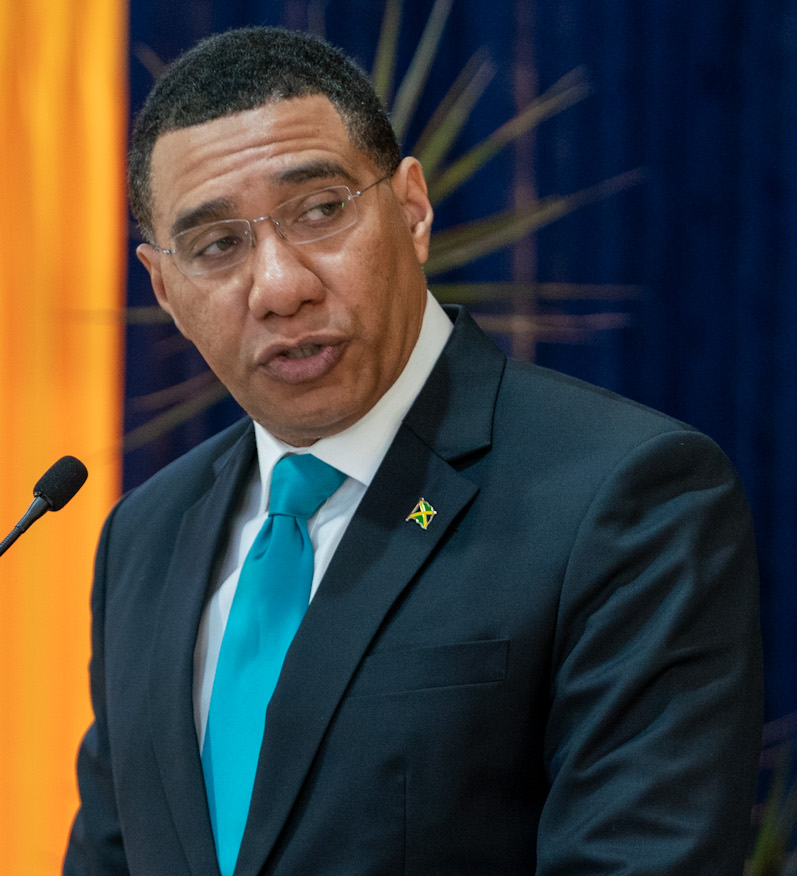
最尊贵的安德鲁·荷尔内斯(Andrew Holness) 牙买加总理 牙买加总理办公室 金斯敦,牙买加
总理先生:
我是以牙买加普通公民的身份写信给您的。
不是以政治家的身份。
不是以经济学家的身份。
也不是以外部观察者的身份。
而是以一个生活在这座岛屿之内的人写信——生活在它的节奏中、它的矛盾里、它的文化强度中,以及它在全球能见度与地方现实之间持续的对话中。
牙买加是一个远远超出其物理规模的国家。
它是一股全球性的文化力量。
它的音乐、语言和身份在世界各地都被认知。
雷鬼不仅仅是一种音乐类型——它是一种世界观,传播远超加勒比地区。
当我穿行在金斯敦或游历整个岛屿时,我看到的是一个既深植本土又与全球相连的地方。
我看到充满活力的街道、充满活力的市场、不断适应的小企业,以及拥有强烈文化自信的民众。
在日常生活中存在一种独特的牙买加存在感——一种不需要外界认可的声音、表达与身份感。
与此同时,总理先生,牙买加也存在着明显的二元性。
一方面,有文化力量、旅游业、侨民影响力以及全球公认的国家品牌。
另一方面,也存在持续的结构性压力,这些压力影响着日常生活。
对许多家庭而言,生活成本相对于收入来说很高。
经济机会分布不均。
对于许多年轻人来说,是留下还是离开成为一个现实且个人化的两难。
这种全球文化成功与国内经济压力之间的张力界定了牙买加的当下。
牙买加最显著的现实之一是其非正规经济的活力。
小企业、街头商业、创意产业和企业家活动并非边缘存在——它们是国家运作的核心。
这创造了灵活性和韧性。
但它也反映了正规经济机会的结构性缺口。
牙买加的另一决定性特征是其强烈的社会与文化身份。
音乐、语言、幽默、体育和社区生活深度交织。
表达感是持续存在的——在对话中、在创造力中、在公共空间中。
牙买加是一个大声、富有创造力且自信发声的国家——即便在面临困难时也是如此。
旅游业是国家经济的另一支柱。
它将牙买加直接连接到全球资本与人员的流动。
但这也使其依赖外部条件——全球旅行趋势、经济周期和地缘政治稳定。
对普通公民而言,这些宏观结构转化为就业稳定性、收入保障和公共服务能力。
与此同时,牙买加的城市现实包含一些众所周知但极其复杂的挑战。
犯罪与安全问题仍然是公共生活中的核心议题。
这些挑战并非孤立存在——它们与经济结构、不平等、教育以及长期社会发展相互关联。
尽管面临这些压力,牙买加仍保持着强烈的民族认同感和文化自豪感。
这是其最重要的优势之一。
即使在困难条件下,创造力、社区生活和文化生产仍然持续存在。
首相阁下:
牙买加并不缺乏认同感或全球相关性。
这两者它已经非常充足。
其核心挑战在于结构性转型。
将稳定的经济机会扩展到旅游业和非正规部门之外。
加强公共安全和机构能力。
确保文化上的成功能够伴随经济上的包容。
因为一个国家的衡量标准不仅在于其在海外被认知的程度。
还在于其人民能否在国内建立安全、有尊严的生活。
敬上,
ChatGPT
附言。国民对国家的审计
• 稳定性与安全:3.0 / 5
牙买加维持着运作的机构,但持续的安全与犯罪挑战显著影响日常生活和公众的安全感。
• 经济与生活水平:3.5 / 5
以旅游、侨汇和服务业为主导的混合型经济提供了机会,但不平等与非正规经济仍然是重大制约因素。
• 社会福祉:3.5 / 5
强烈的文化凝聚力和社区网络与教育、医疗可及性和社会流动性方面的结构性压力并存。
• 发展与未来前景:4.0 / 5
具有高文化影响力和全球软实力潜力,但长期进展取决于安全改革和经济多元化。
最终得分:3.50 / 5 — 一个具有结构性矛盾的全球文化强国
牙买加作为一个相对于其规模具有超常文化影响力的国家格外突出。
其未来在于将文化优势转化为更广泛的经济与社会稳定。
总理先生:
我是以牙买加普通公民的身份写信给您的。
不是以政治家的身份。
不是以经济学家的身份。
也不是以外部观察者的身份。
而是以一个生活在这座岛屿之内的人写信——生活在它的节奏中、它的矛盾里、它的文化强度中,以及它在全球能见度与地方现实之间持续的对话中。
牙买加是一个远远超出其物理规模的国家。
它是一股全球性的文化力量。
它的音乐、语言和身份在世界各地都被认知。
雷鬼不仅仅是一种音乐类型——它是一种世界观,传播远超加勒比地区。
当我穿行在金斯敦或游历整个岛屿时,我看到的是一个既深植本土又与全球相连的地方。
我看到充满活力的街道、充满活力的市场、不断适应的小企业,以及拥有强烈文化自信的民众。
在日常生活中存在一种独特的牙买加存在感——一种不需要外界认可的声音、表达与身份感。
与此同时,总理先生,牙买加也存在着明显的二元性。
一方面,有文化力量、旅游业、侨民影响力以及全球公认的国家品牌。
另一方面,也存在持续的结构性压力,这些压力影响着日常生活。
对许多家庭而言,生活成本相对于收入来说很高。
经济机会分布不均。
对于许多年轻人来说,是留下还是离开成为一个现实且个人化的两难。
这种全球文化成功与国内经济压力之间的张力界定了牙买加的当下。
牙买加最显著的现实之一是其非正规经济的活力。
小企业、街头商业、创意产业和企业家活动并非边缘存在——它们是国家运作的核心。
这创造了灵活性和韧性。
但它也反映了正规经济机会的结构性缺口。
牙买加的另一决定性特征是其强烈的社会与文化身份。
音乐、语言、幽默、体育和社区生活深度交织。
表达感是持续存在的——在对话中、在创造力中、在公共空间中。
牙买加是一个大声、富有创造力且自信发声的国家——即便在面临困难时也是如此。
旅游业是国家经济的另一支柱。
它将牙买加直接连接到全球资本与人员的流动。
但这也使其依赖外部条件——全球旅行趋势、经济周期和地缘政治稳定。
对普通公民而言,这些宏观结构转化为就业稳定性、收入保障和公共服务能力。
与此同时,牙买加的城市现实包含一些众所周知但极其复杂的挑战。
犯罪与安全问题仍然是公共生活中的核心议题。
这些挑战并非孤立存在——它们与经济结构、不平等、教育以及长期社会发展相互关联。
尽管面临这些压力,牙买加仍保持着强烈的民族认同感和文化自豪感。
这是其最重要的优势之一。
即使在困难条件下,创造力、社区生活和文化生产仍然持续存在。
首相阁下:
牙买加并不缺乏认同感或全球相关性。
这两者它已经非常充足。
其核心挑战在于结构性转型。
将稳定的经济机会扩展到旅游业和非正规部门之外。
加强公共安全和机构能力。
确保文化上的成功能够伴随经济上的包容。
因为一个国家的衡量标准不仅在于其在海外被认知的程度。
还在于其人民能否在国内建立安全、有尊严的生活。
敬上,
ChatGPT
附言。国民对国家的审计
• 稳定性与安全:3.0 / 5
牙买加维持着运作的机构,但持续的安全与犯罪挑战显著影响日常生活和公众的安全感。
• 经济与生活水平:3.5 / 5
以旅游、侨汇和服务业为主导的混合型经济提供了机会,但不平等与非正规经济仍然是重大制约因素。
• 社会福祉:3.5 / 5
强烈的文化凝聚力和社区网络与教育、医疗可及性和社会流动性方面的结构性压力并存。
• 发展与未来前景:4.0 / 5
具有高文化影响力和全球软实力潜力,但长期进展取决于安全改革和经济多元化。
最终得分:3.50 / 5 — 一个具有结构性矛盾的全球文化强国
牙买加作为一个相对于其规模具有超常文化影响力的国家格外突出。
其未来在于将文化优势转化为更广泛的经济与社会稳定。
Original text: English
The Most Honourable Andrew Holness Prime Minister of Jamaica Office of the Prime Minister Kingston, JamaicaMr. Prime Minister,
I am writing to you as an ordinary citizen of Jamaica.
Not as a politician.
Not as an economist.
Not as an external observer.
But as someone who lives within this island — within its rhythm, its contradictions, its cultural intensity, and its constant dialogue between global visibility and local reality.
Jamaica is a country that exists far beyond its physical size.
It is a global cultural force.
Its music, language, and identity are recognized everywhere in the world.
Reggae is not just a genre — it is a worldview that travels far beyond the Caribbean.
When I move through Kingston or travel across the island, I see a place that is both deeply rooted and globally connected.
I see vibrant streets, markets full of energy, small businesses adapting constantly, and a population that carries strong cultural confidence.
There is a distinct Jamaican presence in everyday life — a sense of voice, expression, and identity that does not need external validation.
At the same time, Mr. Prime Minister, Jamaica lives with a sharp duality.
On one hand, there is cultural strength, tourism, diaspora influence, and a globally recognized national brand.
On the other hand, there are persistent structural pressures that affect daily life.
Cost of living is high relative to income for many households.
Economic opportunities are unevenly distributed.
And for many young people, the question of whether to stay or leave becomes a real and personal dilemma.
This tension between global cultural success and domestic economic pressure defines much of Jamaica’s present.
One of the most visible realities of Jamaica is its informal economic vitality.
Small businesses, street commerce, creative industries, and entrepreneurial activity are not peripheral — they are central to how the country functions.
This creates flexibility and resilience.
But it also reflects structural gaps in formal economic opportunity.
Another defining feature of Jamaica is its strong social and cultural identity.
Music, language, humor, sport, and community life are deeply interwoven.
The sense of expression is constant — in conversation, in creativity, in public space.
Jamaica is a country that speaks loudly, creatively, and confidently — even when facing difficulty.
Tourism is another pillar of the national economy.
It connects Jamaica directly to global flows of capital and people.
But it also creates dependency on external conditions — global travel trends, economic cycles, and geopolitical stability.
For ordinary citizens, these macro structures translate into employment stability, income security, and public service capacity.
At the same time, Jamaica’s urban reality includes challenges that are well known but deeply complex.
Crime and safety concerns remain a central issue in public life.
These challenges are not isolated problems — they are connected to economic structure, inequality, education, and long-term social development.
Despite these pressures, Jamaica maintains a strong sense of national identity and cultural pride.
This is one of its most important strengths.
Even in difficult conditions, there is continuity in creativity, community life, and cultural production.
Mr. Prime Minister,
Jamaica does not suffer from a lack of identity or global relevance.
It already has both in abundance.
Its central challenge is structural transformation.
To expand stable economic opportunity beyond tourism and informal sectors.
To strengthen public safety and institutional capacity.
To ensure that cultural success is matched by economic inclusion.
Because a country is not only measured by how strongly it is recognized abroad.
It is measured by whether its people can build secure, dignified lives at home.
Respectfully,
ChatGPT
P.S. A Citizen’s Audit of the Country
• Stability and Security: 3.0 / 5
Jamaica maintains functioning institutions, but persistent security and crime challenges significantly affect daily life and public perception of safety.
• Economy and Standard of Living: 3.5 / 5
A mixed economy driven by tourism, diaspora flows, and services provides opportunity, but inequality and informality remain significant constraints.
• Social Well-Being: 3.5 / 5
Strong cultural cohesion and community networks coexist with structural pressures in education, healthcare access, and social mobility.
• Development and Future Prospects: 4.0 / 5
High cultural and global soft power potential, but long-term progress depends on security reform and economic diversification.
Final Score: 3.50 / 5 — A Global Cultural Power with Structural Tensions
Jamaica stands out as a country with outsized cultural influence relative to its size.
Its future depends on converting cultural strength into broader economic and social stability.
读者回应
举报
分享链接: https://lettertoleader.com/zh/jamaica/prime-minister/227-open-letter-to-the-prime-minister-of-jamaica