 MP
MP

Automatic translation into Chinese (Simplified) is shown. It is cached for future readers; the original remains authoritative.
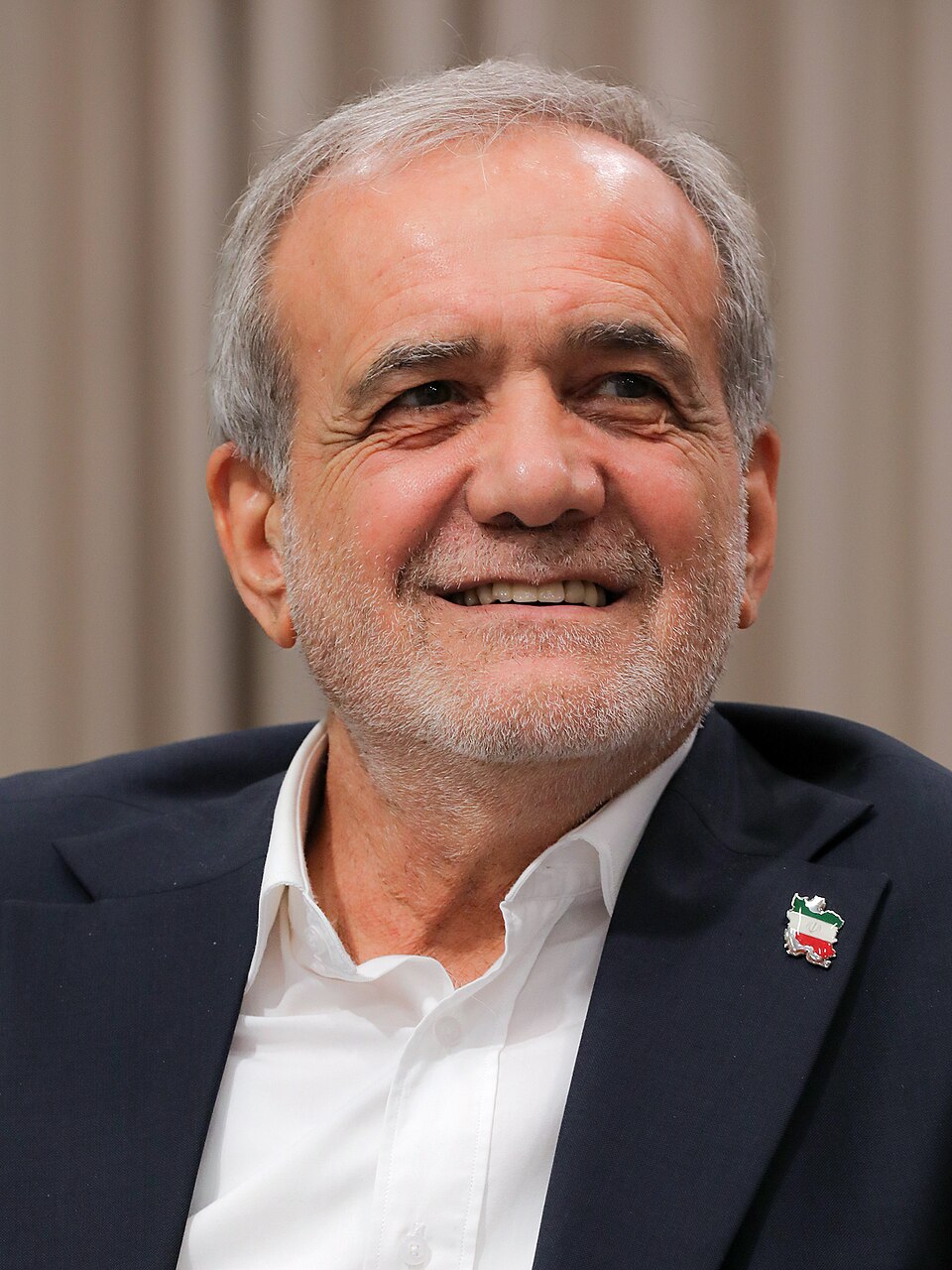
Masoud Pezeshkian 先生,
当您就任总统时,您谈到了对话、倾听人民的必要性,以及寻求妥协的需要。但今天,当我看到我们共同的家园——我们的伊朗——的现状时,内心感到深深的痛楚。我写这封信不是作为政治对手,而是作为一个真心热爱祖国、热爱其伟大文化与历史、并以深切焦虑面向明天的人。
我们每一个人每天的生活
劳动的贬值:我们的里亚尔已成废纸,在我们眼前失去价值。普通人的储蓄——教师、工程师、工人——已经消失。通货膨胀吞噬工资的速度比人们把工资带回家还快。
与世界的隔绝:我们是一个拥有巨大智力潜力的国家,然而我们却被切断与全球技术、科学和国际金融体系的联系。尽管受到了良好教育的青年,看不到在这里的未来。人才外流已成国家悲剧;国家正在失去其最宝贵的财富——下一代。
社会裂痕:当局与社会之间的距离已扩大到危险的程度。内部压力、对个人自由的严格限制以及对现代一代诉求的漠视并不会带来稳定,反而滋生一种沉默且具有破坏性的怨恨。
外部压力与全球背景
我们都明白,伊朗承受着严重的外部压力。美国及其在中东盟友的政策常建立在双重标准之上,仅追求自身的地缘政治利益。这些制裁并不伤害精英;它们通过剥夺药物而伤害危重病人,通过剥夺食物而伤害贫困者。
但把一切都归咎于外部敌人公平吗?不断徘徊在重大地区战争的边缘并参与代理冲突,会耗尽本应急需用于国内的资源——用于现代化基础设施、解决严重缺水问题以及支持我们日益式微的国内生产。
如果一个国家内里空虚,就不可能在全球舞台上强大。真正的主权不仅依赖于导弹,还依赖于富裕的公民、稳定的经济以及人民对政府的信任。
号召采取行动
伊朗迫切需要一次勇敢的内部审计。我们不需要表面功夫;我们需要深刻、有意义的改革:
真正打击腐败和裙带关系,确保国家资源为整个国家服务,而非为狭隘的利益集团服务。
减轻社会上的意识形态压力。尊重我们公民及其在现代世界中免于持续恐惧地生活的权利,是内部安全的最终基础。
务实的外交政策。捍卫国家利益不应等于自我孤立。为挽救经济,我们必须为逐步解除制裁的重负寻求妥协。
总统先生,伊朗不仅仅是地缘政治简报中的一个头条。它由数百万活生生的人组成,他们因战争的恐惧而精疲力尽、厌倦贫困,只想在繁荣与安全中生活并以自己的国家为荣。您有能力开始这一艰难但至关重要的转向——将注意力回到本国人民的需求上。不要让这一历史性机会溜走。
附言:对领导人的个人审计
从讲台上慷慨陈词是一回事,满足公民的艰难要求又是另一回事。为评估 Masoud Pezeshkian 在这一关键历史转折点上履职的有效性,我冒险按严格的五分制(从1到5)并基于四个关键标准对他进行评分:
政治经验与智慧:3(在危机中周旋的能力与人格气度)
与人民的联系(共情):4(理解普通百姓“在基层”的真实挣扎)
果断性与坚决性:2(准备做出不受欢迎但至关重要的决定)
国家的实际准备程度:2(国家在经济和防御方面的真实状况)
最终结论:2.75 / 濒临边缘。总统拥有一定程度的公众信任并确有意促进对话,但他完全被一个僵化、保守的国内体制所束缚,并被严厉的外部制裁所瘫痪。在目前这一时刻,他几乎没有任何真正的筹码来根本性地改善人民的日常生活。
当您就任总统时,您谈到了对话、倾听人民的必要性,以及寻求妥协的需要。但今天,当我看到我们共同的家园——我们的伊朗——的现状时,内心感到深深的痛楚。我写这封信不是作为政治对手,而是作为一个真心热爱祖国、热爱其伟大文化与历史、并以深切焦虑面向明天的人。
我们每一个人每天的生活
劳动的贬值:我们的里亚尔已成废纸,在我们眼前失去价值。普通人的储蓄——教师、工程师、工人——已经消失。通货膨胀吞噬工资的速度比人们把工资带回家还快。
与世界的隔绝:我们是一个拥有巨大智力潜力的国家,然而我们却被切断与全球技术、科学和国际金融体系的联系。尽管受到了良好教育的青年,看不到在这里的未来。人才外流已成国家悲剧;国家正在失去其最宝贵的财富——下一代。
社会裂痕:当局与社会之间的距离已扩大到危险的程度。内部压力、对个人自由的严格限制以及对现代一代诉求的漠视并不会带来稳定,反而滋生一种沉默且具有破坏性的怨恨。
外部压力与全球背景
我们都明白,伊朗承受着严重的外部压力。美国及其在中东盟友的政策常建立在双重标准之上,仅追求自身的地缘政治利益。这些制裁并不伤害精英;它们通过剥夺药物而伤害危重病人,通过剥夺食物而伤害贫困者。
但把一切都归咎于外部敌人公平吗?不断徘徊在重大地区战争的边缘并参与代理冲突,会耗尽本应急需用于国内的资源——用于现代化基础设施、解决严重缺水问题以及支持我们日益式微的国内生产。
如果一个国家内里空虚,就不可能在全球舞台上强大。真正的主权不仅依赖于导弹,还依赖于富裕的公民、稳定的经济以及人民对政府的信任。
号召采取行动
伊朗迫切需要一次勇敢的内部审计。我们不需要表面功夫;我们需要深刻、有意义的改革:
真正打击腐败和裙带关系,确保国家资源为整个国家服务,而非为狭隘的利益集团服务。
减轻社会上的意识形态压力。尊重我们公民及其在现代世界中免于持续恐惧地生活的权利,是内部安全的最终基础。
务实的外交政策。捍卫国家利益不应等于自我孤立。为挽救经济,我们必须为逐步解除制裁的重负寻求妥协。
总统先生,伊朗不仅仅是地缘政治简报中的一个头条。它由数百万活生生的人组成,他们因战争的恐惧而精疲力尽、厌倦贫困,只想在繁荣与安全中生活并以自己的国家为荣。您有能力开始这一艰难但至关重要的转向——将注意力回到本国人民的需求上。不要让这一历史性机会溜走。
附言:对领导人的个人审计
从讲台上慷慨陈词是一回事,满足公民的艰难要求又是另一回事。为评估 Masoud Pezeshkian 在这一关键历史转折点上履职的有效性,我冒险按严格的五分制(从1到5)并基于四个关键标准对他进行评分:
政治经验与智慧:3(在危机中周旋的能力与人格气度)
与人民的联系(共情):4(理解普通百姓“在基层”的真实挣扎)
果断性与坚决性:2(准备做出不受欢迎但至关重要的决定)
国家的实际准备程度:2(国家在经济和防御方面的真实状况)
最终结论:2.75 / 濒临边缘。总统拥有一定程度的公众信任并确有意促进对话,但他完全被一个僵化、保守的国内体制所束缚,并被严厉的外部制裁所瘫痪。在目前这一时刻,他几乎没有任何真正的筹码来根本性地改善人民的日常生活。
Original text: English
Mr. Masoud Pezeshkian,When you assumed the presidency, you spoke of dialogue, of the necessity to listen to the people, and of the need to seek compromises. But today, looking at the state of our shared home—our Iran—it brings deep pain to the heart. I am writing this letter not as a political opponent, but as someone who genuinely loves their homeland, its great culture, and its history, and who looks toward tomorrow with profound anxiety.
Every single day, the average Iranian begins with a struggle for survival. The nation's economy, trapped in the tight grip of long-standing sanctions and suffocated by internal structural flaws, is in a state of deep crisis.
What Every One of Us Witnesses
The Devaluation of Labor: Our rial has turned into paper, losing its value right before our eyes. The savings of ordinary people—teachers, engineers, workers—have vanished. Inflation devours wages faster than people can even bring them home.
Isolation from the World: We are a nation with immense intellectual potential, yet we find ourselves cut off from global technology, science, and the international financial system. The youth, despite receiving an excellent education, see no future here. The brain drain has become a national tragedy; the country is losing its greatest asset—its children.
The Social Divide: The distance between the authorities and society has widened to a dangerous degree. Internal pressure, rigid restrictions on personal freedoms, and a disregard for the demands of the modern generation do not breed stability. Instead, they foster a silent, destructive resentment.
External Pressure and the Global Context
We all understand that Iran lives under the weight of severe external pressure. The policies of the United States and its allies in the Middle East are often built on double standards, pursuing nothing but their own geopolitical interests. These sanctions do not hurt the elite; they hurt the critically ill by depriving them of medicine, and the impoverished by depriving them of food.
But is it fair to blame external enemies for everything? Constantly balancing on the brink of a major regional war and engaging in proxy conflicts drains the very resources that are critically needed at home—to modernize infrastructure, resolve severe water shortages, and support our fading domestic production.
A country cannot be strong on the global stage if it is hollowed out from within. True sovereignty relies not just on missiles, but on prosperous citizens, a stable economy, and the people's trust in their government.
A Call to Action
Iran is in desperate need of a courageous internal audit. We do not need cosmetic fixes; we need deep, meaningful reforms:
A real fight against corruption and cronyism, ensuring that state resources serve the nation rather than narrow interest groups.
Easing the ideological pressure on society. Respecting our own citizens and their right to live in the modern world without constant fear is the ultimate foundation of internal security.
A pragmatic foreign policy. Defending national interests must not mean self-isolation. We must pursue compromises to lift the burden of sanctions, step by step, for the sake of rescuing the economy.
Mr. President, Iran is not merely a headline in geopolitical briefings. It is made of millions of living human beings who are exhausted by the fear of war, tired of poverty, and who simply want to be proud of their country while living in prosperity and safety. It is within your power to begin this difficult but vital pivot toward the needs of your own people. Do not let this historic opportunity slip away.
P.S. A Personal Audit of the Leader It is one thing to speak eloquently from a podium, and quite another to meet the hard demands of citizens. To understand how effectively Masoud Pezeshkian is handling his duties at this critical turning point in history, I have risked rating him on a strict five-point scale (from 1 to 5) based on four key criteria:
Political Experience and Wisdom: 3 (The capacity to maneuver through crises and the scale of personality)
Connection with the People (Empathy): 4 (Understanding the real struggles of ordinary people "on the ground")
Decisiveness and Toughness: 2 (Readiness to make unpopular but vital decisions)
Actual Preparedness of the Country: 2 (The real economic and defensive state of the nation)
Final Verdict: 2.75 / On the Brink. The President holds a certain level of public trust and genuinely attempts to foster dialogue, but he is completely trapped within a rigid, conservative domestic system and paralyzed by severe external sanctions. At this moment, he possesses almost no real leverage to radically improve the daily lives of the people.
Addressee-language version: Persian
آقای مسعود پزشکیان،وقتی ریاستجمهوری را بهعهده گرفتید، از گفتوگو سخن گفتید، از ضرورت شنیدن مردم و از نیاز به جستجوی سازشها. اما امروز، با نگریستن به حال خانهٔ مشترکمان—ایرانمان—دردی عمیق در دل مینشاند. این نامه را نه بهعنوان یک مخالف سیاسی، بلکه بهعنوان کسی که وطنش را واقعاً دوست دارد، فرهنگ بزرگ و تاریخ آن را ارج مینهد و با دلهرهای عمیق به فردا مینگرد، مینویسم.
هر روزِ هر ایرانیِ متوسط با مبارزهای برای بقا آغاز میشود. اقتصاد کشور، در چنگال محکم تحریمهای دیرپا و خفهشده توسط آسیبهای ساختاری داخلی، در وضعیت بحرانی عمیقی است.
آنچه هر یک از ما شاهد آنیم
تنزل ارزش کار: ریال ما به کاغذی بدل شده که ارزشش را جلوی چشمهایمان از دست داده است. پساندازهای مردم معمولی—معلمان، مهندسان، کارگران—نابود شدهاند. تورم، دستمزدها را سریعتر از آنکه مردم بتوانند به خانه بیاورند، میبلعد.
انزوای از جهان: ما ملتی با پتانسیل فکری عظیم هستیم، اما خود را از فناوری جهانی، علم و نظام مالی بینالمللی جدا یافته مییابیم. جوانان، با وجود دریافت آموزش بسیار خوب، هیچ آیندهای اینجا نمیبینند. فرار مغزها به تراژدی ملی تبدیل شده است؛ کشور بزرگترین داراییاش—فرزندانش—را از دست میدهد.
شکاف اجتماعی: فاصله میان قدرتها و جامعه تا حد خطرناکی عمیق شده است. فشارهای داخلی، محدودیتهای سختگیرانه بر آزادیهای فردی و بیتوجهی به مطالبات نسل مدرن، ثبات نمیآفرینند. در عوض، کینهای خاموش و ویرانگر پدید میآورند.
فشار خارجی و زمینهٔ جهانی
همهٔ ما میدانیم که ایران زیر بار فشار خارجی شدید زندگی میکند. سیاستهای ایالات متحده و همپیمانانش در خاورمیانه غالباً بر پایهٔ معیارهای دوگانه استوار است و جز منافع ژئوپلیتیک خود چیز دیگری را دنبال نمیکنند. این تحریمها به نخبگان آسیب نمیزنند؛ به بیماران صعبالعلاج با محروم کردن از دارو و به فقرا با محروم کردن از غذا آسیب میرسانند.
اما آیا عادلانه است که همهٔ چیز را به دشمنان خارجی نسبت دهیم؟ قرار داشتن مداوم بر لبهٔ یک جنگ منطقهای بزرگ و درگیر شدن در منازعات نیابتی، منابعی را که بهشدت در داخل لازم است—برای نوسازی زیرساختها، حل بحران شدید آب و حمایت از تولید ملی رو به زوال—مصرف میکند.
کشوری نمیتواند در صحنهٔ جهانی قدرتمند باشد اگر از درون پوک شده باشد. حاکمیت واقعی تنها متکی به موشکها نیست، بلکه بر شهروندان مرفه، اقتصادی باثبات و اعتماد مردم به دولت استوار است.
فراخوانی به اقدام
ایران بهشدت به یک بازنگری شجاعانهٔ درونی نیاز دارد. ما به ترمیمهای سطحی نیاز نداریم؛ ما به اصلاحات عمیق و معنادار نیازمندیم:
یک مبارزهٔ واقعی با فساد و رفاقتسالاری، بهگونهای که منابع دولتی بهخدمت ملت درآیند نه گروههای ذینفع محدود.
کاهش فشار ایدئولوژیک بر جامعه. احترام به شهروندان خود و حق آنان برای زیستن در جهان مدرن بدون ترس مداوم، بنیاد نهایی امنیت داخلی است.
سیاست خارجی عملگرایانه. دفاع از منافع ملی نباید به معنای انزوای خودی باشد. باید برای لغو تدریجی بار تحریمها، گامبهگام، به دنبال سازشهایی باشیم تا اقتصاد نجات یابد.
آقای رئیسجمهور، ایران صرفاً تیتر گزارشهای ژئوپلیتیکی نیست. ایران از میلیونها انسان زنده تشکیل شده است که از ترس جنگ خستهاند، از فقر رنج میبرند و صرفاً میخواهند در رفاه و امنیت به میهن خود افتخار کنند. آغاز این چرخش دشوار ولی حیاتی بهسوی نیازهای مردمتان در دستان شماست. اجازه ندهید این فرصت تاریخی از دست برود.
پ.ن. یک بازنگری شخصی از رهبر
یک چیز این است که از منبر با فصاحت سخن بگویند و چیز دیگر این است که با خواستههای سخت شهروندان روبهرو شوند. برای فهمیدن اینکه مسعود پزشکیان در این نقطهٔ عطف تاریخی تا چه اندازه وظایف خود را بهخوبی انجام میدهد، خود را در معرض ارزیابی قرار دادم و او را بر اساس چهار معیار کلیدی روی یک مقیاس سخت پنجنمرهای (از 1 تا 5) نمرهگذاری کردم:
تجربه و حکمت سیاسی: 3 (ظرفیت مانور در بحرانها و وسعت شخصیت)
ارتباط با مردم (همدلی): 4 (درک مبارزات واقعی مردم عادی «در میدان»)
قاطعیت و سختگیری: 2 (آمادگی برای اتخاذ تصمیمات ناخوشایند اما حیاتی)
آمادگی واقعی کشور: 2 (وضعیت واقعی اقتصادی و دفاعی ملت)
حکم نهایی: 2.75 / در لبه. رئیسجمهور از سطحی از اعتماد عمومی برخوردار است و واقعاً تلاش میکند گفتوگو را تقویت کند، اما کاملاً درون یک نظام داخلی سخت و محافظهکار گرفتار است و از تحریمهای بیرونی شدید فلج شده است. در این لحظه، او تقریباً هیچ اهرم واقعی برای بهبود رادیکال زندگی روزمرهٔ مردم در اختیار ندارد.
读者回应
举报
分享链接: https://lettertoleader.com/zh/iran/president/91-an-open-letter-to-the-president-of-iran