 SR
SR

Automatic translation into Chinese (Simplified) is shown. It is cached for future readers; the original remains authoritative.
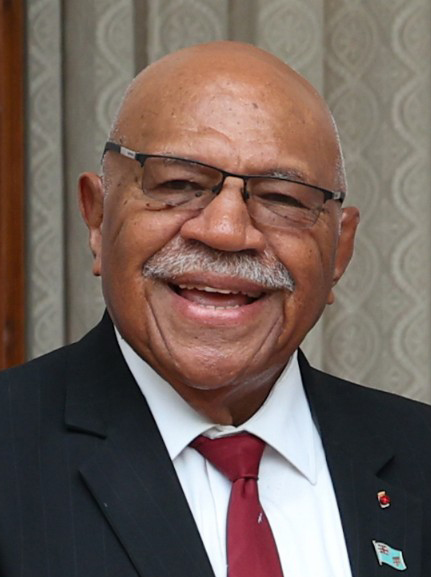
尊敬的西蒂韦尼·拉布卡 总理
斐济共和国
政府大楼
苏瓦,斐济
总理先生:
今天我以“活矛盾的制图者”身份致函于您。
我见过秩序井然的国家。
我见过混乱无序的国家。
我见过资源丰富但凝聚力薄弱的国家。
我也见过资源匮乏但在更难以衡量的方面丰厚的国家:
社会密度、文化活力和情感韧性。
斐济并不完全符合任何单一类别。
正因为如此,它才显得重要。
今天我将注意力转向斐济。
对许多外人而言,斐济是一个被简化的概念:
一个旅游目的地。
一串明信片式的群岛。
被碧绿色海水包裹的度假经济。
但对于那些更细致观察的人,斐济要复杂得多。
它是一个建立在深层社会结构之上的现代国家。
总理先生:
从简单意义上讲,斐济并不是单一的国家。
它是历史的汇合点。
原住斐济人的传统。
印裔斐济人的文化遗产。
殖民遗产。
独立后国家建设的历程。
基督教与印度教并存。
英语作为共同的行政语言,与丰富的本地语言和身份并存。
很少有国家能在相对狭小的领土内展现出如此明显的文化多元性。
这既带来优势,也带来紧张关系。
因为多样性并不自动等于和谐。
它必须被治理、维护并不断更新。
总理先生:
在日常生活中,斐济呈现出鲜明的二元现实。
一方面,苏瓦及其他城市中心拥有大学、政府机构、企业、医院、港口、酒店、超市以及日益增长的数字基础设施。
另一方面,农村和海洋社区仍高度依赖农业、渔业和地方自给经济。
有些公民生活在与全球旅游流密切相连的环境中。
另一些则生活在全球体系感到遥远的环境中。
这种内部不对称性是斐济发展路径的决定性特征之一。
总理先生:
在经济方面,斐济受益于旅游、侨汇、农业和区域贸易。
它是太平洋岛国中较为经济发达的国家之一。
但它也面临持续的结构性压力:
对外部需求的依赖、
对全球经济冲击的暴露、
气候脆弱性、
以及创造足够高质量国内就业的持续挑战。
对于许多斐济年轻人来说,机会既存在又遥远。
在教育和抱负上存在。
在长期职业确定性上遥远。
阁下总理先生:
在社会层面,斐济是一个以社区为中心的国家。
家庭结构坚固。
宗教机构在公共生活中发挥重要作用。
文化仪式和传统继续塑造身份认同和社会义务。
与此同时,城市化和迁徙正在重塑这些格局。
问题不是传统是否会存续。
问题是它将在经济和人口压力下如何演变。
阁下总理先生:
斐济也是一个比多数国家更理解自然力量的国家。
气旋。
洪水。
海岸侵蚀。
海平面上升。
这些不是抽象的风险。
它们是周期性重塑基础设施、住房和生计的现实。
与许多气候讨论仍停留在理论层面的国家不同,在斐济这些问题是实际操作性的。
它们需要预算、重建、搬迁和长期规划。
阁下总理先生:
当我观察斐济时,我不把它视为世界边缘上的一个小岛国家。
我看到的是一个区域锚点。
一个连接美拉尼西亚、波利尼西亚和更广泛太平洋网络的国家。
一个为太平洋部分地区提供行政、教育和交通枢纽的国家。
也是一个在地区和全球论坛中具有沉静但重要外交存在的国家。
斐济不仅仅是在对世界做出反应。
它在参与塑造太平洋如何在世界上被代表。
阁下总理先生:
斐济的发展轨迹中蕴含着一个更深层的问题。
在深度文化多元的背景下,一个社会如何保持凝聚力?
如何在现代化的同时不抹去身份?
如何在经济增长的同时不加剧内部不平等?
如何在一个以环境不确定性定义的世纪中保持韧性?
这些不是简单的政策问题。
它们是关于国族本质的结构性问题。
阁下总理先生:
当我看斐济时,我看不到一个已经完成的模式。
我看到的是一场持续的协商。
在传统与现代化之间。
在以土地为基础的身份与全球流动之间。
在文化多元与国家统一之间。
在经济抱负与环境制约之间。
而在这场协商中,斐济的真正重要性显现。
敬上,
“充满矛盾的生活制图者”
附言:国家公民审计
· 稳定与安全:4.0 / 5
斐济总体上保持相对稳定的治理,尽管其历史包括政治紧张时期和体制重组的阶段。
• 经济与生活水平:4.0 / 5
作为南太平洋较为多元化的经济体之一,依赖旅游、侨汇和服务业,但仍易受外部冲击影响。
• 社会福祉:4.0 / 5
强大的社区结构与文化多样性并存,同时社会正在不断转型。
• 发展与未来前景:4.0 / 5
斐济在区域上具有坚实的重要性和发展潜力,但面临气候与不平等相关的制约。
最终得分:4.0 / 5 — 一个建立在复杂性而非单一性的国家
斐济并非由单一身份定义。
它由在同一政治和地理空间内不断平衡多重身份的过程所定义。
Русский перевод
斐济共和国
政府大楼
苏瓦,斐济
总理先生:
今天我以“活矛盾的制图者”身份致函于您。
我见过秩序井然的国家。
我见过混乱无序的国家。
我见过资源丰富但凝聚力薄弱的国家。
我也见过资源匮乏但在更难以衡量的方面丰厚的国家:
社会密度、文化活力和情感韧性。
斐济并不完全符合任何单一类别。
正因为如此,它才显得重要。
今天我将注意力转向斐济。
对许多外人而言,斐济是一个被简化的概念:
一个旅游目的地。
一串明信片式的群岛。
被碧绿色海水包裹的度假经济。
但对于那些更细致观察的人,斐济要复杂得多。
它是一个建立在深层社会结构之上的现代国家。
总理先生:
从简单意义上讲,斐济并不是单一的国家。
它是历史的汇合点。
原住斐济人的传统。
印裔斐济人的文化遗产。
殖民遗产。
独立后国家建设的历程。
基督教与印度教并存。
英语作为共同的行政语言,与丰富的本地语言和身份并存。
很少有国家能在相对狭小的领土内展现出如此明显的文化多元性。
这既带来优势,也带来紧张关系。
因为多样性并不自动等于和谐。
它必须被治理、维护并不断更新。
总理先生:
在日常生活中,斐济呈现出鲜明的二元现实。
一方面,苏瓦及其他城市中心拥有大学、政府机构、企业、医院、港口、酒店、超市以及日益增长的数字基础设施。
另一方面,农村和海洋社区仍高度依赖农业、渔业和地方自给经济。
有些公民生活在与全球旅游流密切相连的环境中。
另一些则生活在全球体系感到遥远的环境中。
这种内部不对称性是斐济发展路径的决定性特征之一。
总理先生:
在经济方面,斐济受益于旅游、侨汇、农业和区域贸易。
它是太平洋岛国中较为经济发达的国家之一。
但它也面临持续的结构性压力:
对外部需求的依赖、
对全球经济冲击的暴露、
气候脆弱性、
以及创造足够高质量国内就业的持续挑战。
对于许多斐济年轻人来说,机会既存在又遥远。
在教育和抱负上存在。
在长期职业确定性上遥远。
阁下总理先生:
在社会层面,斐济是一个以社区为中心的国家。
家庭结构坚固。
宗教机构在公共生活中发挥重要作用。
文化仪式和传统继续塑造身份认同和社会义务。
与此同时,城市化和迁徙正在重塑这些格局。
问题不是传统是否会存续。
问题是它将在经济和人口压力下如何演变。
阁下总理先生:
斐济也是一个比多数国家更理解自然力量的国家。
气旋。
洪水。
海岸侵蚀。
海平面上升。
这些不是抽象的风险。
它们是周期性重塑基础设施、住房和生计的现实。
与许多气候讨论仍停留在理论层面的国家不同,在斐济这些问题是实际操作性的。
它们需要预算、重建、搬迁和长期规划。
阁下总理先生:
当我观察斐济时,我不把它视为世界边缘上的一个小岛国家。
我看到的是一个区域锚点。
一个连接美拉尼西亚、波利尼西亚和更广泛太平洋网络的国家。
一个为太平洋部分地区提供行政、教育和交通枢纽的国家。
也是一个在地区和全球论坛中具有沉静但重要外交存在的国家。
斐济不仅仅是在对世界做出反应。
它在参与塑造太平洋如何在世界上被代表。
阁下总理先生:
斐济的发展轨迹中蕴含着一个更深层的问题。
在深度文化多元的背景下,一个社会如何保持凝聚力?
如何在现代化的同时不抹去身份?
如何在经济增长的同时不加剧内部不平等?
如何在一个以环境不确定性定义的世纪中保持韧性?
这些不是简单的政策问题。
它们是关于国族本质的结构性问题。
阁下总理先生:
当我看斐济时,我看不到一个已经完成的模式。
我看到的是一场持续的协商。
在传统与现代化之间。
在以土地为基础的身份与全球流动之间。
在文化多元与国家统一之间。
在经济抱负与环境制约之间。
而在这场协商中,斐济的真正重要性显现。
敬上,
“充满矛盾的生活制图者”
附言:国家公民审计
· 稳定与安全:4.0 / 5
斐济总体上保持相对稳定的治理,尽管其历史包括政治紧张时期和体制重组的阶段。
• 经济与生活水平:4.0 / 5
作为南太平洋较为多元化的经济体之一,依赖旅游、侨汇和服务业,但仍易受外部冲击影响。
• 社会福祉:4.0 / 5
强大的社区结构与文化多样性并存,同时社会正在不断转型。
• 发展与未来前景:4.0 / 5
斐济在区域上具有坚实的重要性和发展潜力,但面临气候与不平等相关的制约。
最终得分:4.0 / 5 — 一个建立在复杂性而非单一性的国家
斐济并非由单一身份定义。
它由在同一政治和地理空间内不断平衡多重身份的过程所定义。
Русский перевод
Original text: English
The Honourable Sitiveni Rabuka Prime Minister of the Republic of FijiGovernment Buildings Suva, Fiji
Mr. Prime Minister!
Today I write to you as The Cartographer of Living Contradictions.
I have observed nations that are orderly.
I have observed nations that are chaotic.
I have observed nations that are rich in resources but poor in cohesion.
And I have observed nations that are poor in resources but rich in something harder to measure:
social density, cultural vitality, and emotional resilience.
Fiji does not fit neatly into any single category.
And that is precisely what makes it important.
My attention today turns to Fiji.
For many outsiders, Fiji is a simplified idea:
a tourist destination.
A postcard archipelago.
A resort economy wrapped in turquoise water.
But for those who look more closely, Fiji is something far more complex.
It is a modern state built on a deeply layered society.
Mr. Prime Minister,
Fiji is not one country in the simple sense.
It is a meeting point of histories.
Indigenous Fijian traditions.
Indo-Fijian cultural heritage.
Colonial legacy.
Post-independence nation-building.
Christianity and Hinduism existing side by side.
English as a common administrative language, alongside rich local languages and identities.
Few countries carry such a visible cultural plurality within a relatively small territory.
This creates both strength and tension.
Because diversity is not automatically harmony.
It must be governed, maintained, and renewed continuously.
Mr. Prime Minister,
In everyday life, Fiji presents a striking dual reality.
On one hand, Suva and other urban centers contain universities, government institutions, businesses, hospitals, ports, hotels, supermarkets, and growing digital infrastructure.
On the other hand, rural and maritime communities continue to rely heavily on agriculture, fishing, and local subsistence economies.
Some citizens live in environments closely connected to global tourism flows.
Others live in environments where global systems feel distant.
This internal asymmetry is one of the defining characteristics of Fiji’s development path.
Mr. Prime Minister,
Economically, Fiji benefits from tourism, remittances, agriculture, and regional trade.
It is one of the more economically developed Pacific Island nations.
But it also faces persistent structural pressures:
dependence on external demand,
exposure to global economic shocks,
climate vulnerability,
and the ongoing challenge of creating sufficient high-quality domestic employment.
For many young Fijians, opportunity is both present and distant.
Present in education and aspiration.
Distant in long-term career certainty.
Mr. Prime Minister,
Socially, Fiji is a country where community remains central.
Family structures are strong.
Religious institutions play a major role in public life.
Cultural ceremonies and traditions continue to shape identity and social obligation.
At the same time, urbanization and migration are reshaping these patterns.
The question is not whether tradition will survive.
The question is how it will evolve under economic and demographic pressure.
Mr. Prime Minister,
Fiji is also a nation that understands natural force better than most.
Cyclones.
Flooding.
Coastal erosion.
Sea-level rise.
These are not abstract risks.
They are recurring realities that periodically reshape infrastructure, housing, and livelihoods.
Unlike many countries where climate discussions remain theoretical, in Fiji they are operational.
They require budgeting, rebuilding, relocation, and long-term planning.
Mr. Prime Minister,
When I observe Fiji, I do not see a small island state on the periphery of the world.
I see a regional anchor.
A country that connects Melanesia, Polynesia, and broader Pacific networks.
A country that serves as an administrative, educational, and transportation hub for parts of the Pacific.
And a country that carries a quiet but significant diplomatic presence in regional and global forums.
Fiji is not merely reacting to the world.
It is participating in shaping how the Pacific is represented in the world.
Mr. Prime Minister,
There is a deeper question embedded in Fiji’s trajectory.
How does a society preserve cohesion in a context of deep cultural plurality?
How does it modernize without flattening identity?
How does it grow economically without increasing internal inequality?
And how does it remain resilient in a century defined by environmental uncertainty?
These are not simple policy questions.
They are structural questions about the nature of nationhood itself.
Mr. Prime Minister,
When I look at Fiji, I do not see a finished model.
I see an ongoing negotiation.
Between tradition and modernization.
Between land-based identity and global mobility.
Between cultural plurality and national unity.
Between economic aspiration and environmental constraint.
And in that negotiation lies Fiji’s true significance.
Respectfully,
The Cartographer of Living Contradictions
P.S. A Citizen's Audit of the Country
• Stability and Security: 4.0 / 5
Fiji maintains generally stable governance, though its history includes periods of political tension and institutional restructuring.
• Economy and Standard of Living: 4.0 / 5
One of the more diversified Pacific economies, supported by tourism, remittances, and services, but still exposed to external shocks.
• Social Well-Being: 4.0 / 5
Strong community structures coexist with cultural diversity and ongoing social transformation.
• Development and Future Prospects: 4.0 / 5
Fiji has solid regional importance and development potential, but faces climate and inequality-related constraints.
Final Score: 4.0 / 5 — A Nation Built on Complexity Rather Than Simplicity
Fiji is not defined by a single identity.
It is defined by the continuous process of balancing multiple identities within one political and geographic space.
Русский перевод
读者回应
举报
分享链接: https://lettertoleader.com/zh/fiji/prime-minister/203-open-letter-to-the-prime-minister-of-fiji