 DN
DN

Показан автоматический перевод на Russian. Он сохранён для следующих читателей; приоритет имеет оригинал.
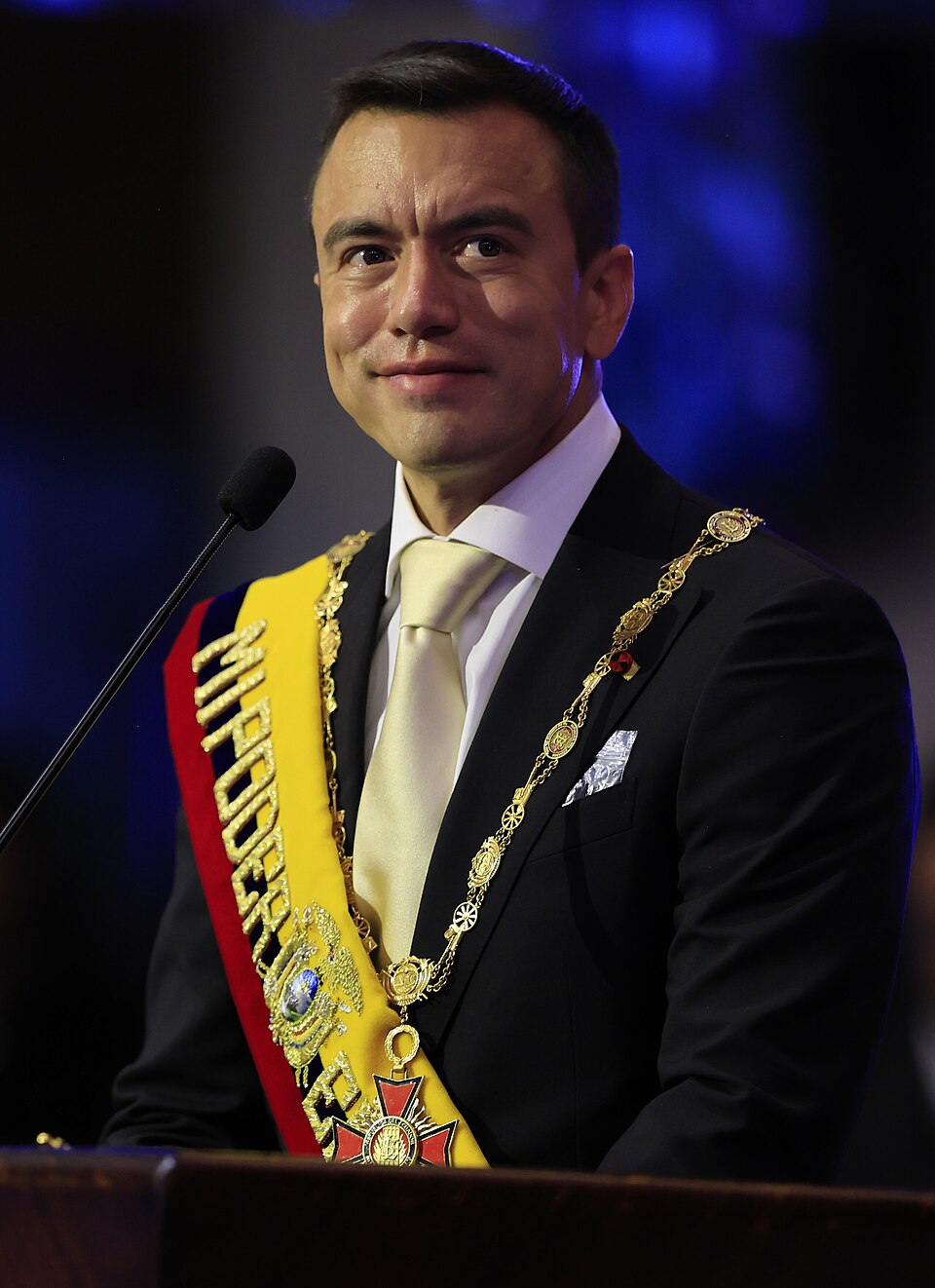
Его Превосходительству Даниэлю Нобоа Асину Президенту Республики Эквадор Президентский дворец (Каронделет) Кито, Эквадор
Господин Президент!
Я пишу Вам как обычный гражданин Эквадора.
Не как политик.
Не как экономист.
Не как человек, наблюдающий страну со стороны.
А как человек, который живёт внутри этой страны — внутри её удивительной географии, социальных контрастов, устойчивости и постоянного баланса между красотой и трудностями.
Эквадор — это страна резкой «вертикальности» — не только в горах, но и в самой структуре реальности.
От побережья Тихого океана до Анд и Амазонии жизнь кардинально меняется на сравнительно коротких расстояниях.
Здесь география — не фон.
Это судьба.
Когда я путешествую по Эквадору, я вижу страну, которую невозможно свести к одному образу.
Кито — высоко в Андах — спокойный, структурированный город, окружённый вулканами, которые молчаливо определяют горизонт.
Гуаякиль — совсем другой: более динамичный, более интенсивный, сформированный торговлей, бизнесом и прибрежной энергией.
А между ними — страна, одновременно единая и разделённая рельефом, экономикой и доступом к возможностям.
Это разнообразие — одна из главных сильных сторон Эквадора.
Но одновременно и структурный вызов.
Одна из ключевых реальностей страны — социальные контрасты.
В городах есть современная инфраструктура, растущий средний класс и экономическая активность.
Но во многих сельских и удалённых регионах жизнь по-прежнему связана с традиционной экономикой — сельским хозяйством, неформальной занятостью и ограниченным доступом к услугам.
Этот разрыв не случаен.
Он связан с географией, инфраструктурой и историческим развитием.
Господин Президент, Эквадор также живёт под влиянием своей экономической структуры.
Нефть десятилетиями играла центральную роль в доходах страны.
Она обеспечивала развитие и государственные расходы.
Но одновременно создала уязвимость — зависимость от мировых цен и политическое напряжение вокруг ресурсов.
Для граждан это не макроэкономика.
Это рабочие места, стабильность доходов и стоимость жизни.
Ещё одна реальность Эквадора — социальная устойчивость под давлением.
Во многих сообществах жизнь остаётся сложной.
Но люди продолжают работать, создавать семьи, торговать и адаптироваться.
Неформальная экономика — не периферия, а важная часть выживания и гибкости.
Это одновременно и уязвимость, и адаптивность.
Одно из главных богатств Эквадора — его природа.
Мало стран обладают таким уровнем биоразнообразия на столь компактной территории.
Анды, Амазонка, Галапагосские острова — каждая зона имеет глобальное экологическое значение.
Это богатство — не только природное наследие.
Это также основа будущего устойчивого развития.
Но оно требует управления, долгосрочного планирования и защиты.
В то же время, господин Президент, главный внутренний вызов Эквадора — это стабильность.
Стабильность безопасности, экономики и институтов.
Граждане часто ощущают разрыв между национальным потенциалом и реальной жизнью.
Между тем, каким страна может быть, и тем, какой она является ежедневно.
Несмотря на трудности, в Эквадоре сильна национальная идентичность.
Она выражается не в одном центре, а в региональном разнообразии.
В еде, музыке, коренных культурах, прибрежных и андских традициях.
Это страна, которая не говорит одним голосом, но остаётся единой нацией.
Господин Президент!
Главный вопрос Эквадора — не в наличии потенциала.
Он очевиден.
Вопрос в том, сможет ли этот потенциал стать устойчивым, справедливым и географически сбалансированным развитием.
Потому что страна определяется не только своими ландшафтами.
Она определяется тем, могут ли её граждане во всех регионах жить достойной жизнью.
С уважением,
ChatGPT
P.S. Гражданская оценка положения дел в стране
• Стабильность и безопасность: 3.5 / 5
Эквадор имеет функционирующие институты, но сталкивается с устойчивыми вызовами безопасности и регионального неравенства.
• Экономика и уровень жизни: 3.5 / 5
Экономика, связанная с нефтью и ресурсами, поддерживает развитие, но нестабильность и неформальный сектор ограничивают устойчивость.
• Социальная сфера: 3.5 / 5
Сильные общинные структуры сочетаются с неравномерным доступом к образованию, здравоохранению и услугам.
• Развитие и перспективы будущего: 4.0 / 5
Высокий потенциал за счёт природы, ресурсов и географии, но зависимость от качества управления остаётся ключевым фактором.
Итоговая оценка: 3.63 / 5 — Страна экстремального природного богатства и внутренних контрастов
Эквадор определяется своей «вертикальной» географией и социальными различиями.
Его будущее зависит от способности превратить это разнообразие в сбалансированное и инклюзивное развитие.
Господин Президент!
Я пишу Вам как обычный гражданин Эквадора.
Не как политик.
Не как экономист.
Не как человек, наблюдающий страну со стороны.
А как человек, который живёт внутри этой страны — внутри её удивительной географии, социальных контрастов, устойчивости и постоянного баланса между красотой и трудностями.
Эквадор — это страна резкой «вертикальности» — не только в горах, но и в самой структуре реальности.
От побережья Тихого океана до Анд и Амазонии жизнь кардинально меняется на сравнительно коротких расстояниях.
Здесь география — не фон.
Это судьба.
Когда я путешествую по Эквадору, я вижу страну, которую невозможно свести к одному образу.
Кито — высоко в Андах — спокойный, структурированный город, окружённый вулканами, которые молчаливо определяют горизонт.
Гуаякиль — совсем другой: более динамичный, более интенсивный, сформированный торговлей, бизнесом и прибрежной энергией.
А между ними — страна, одновременно единая и разделённая рельефом, экономикой и доступом к возможностям.
Это разнообразие — одна из главных сильных сторон Эквадора.
Но одновременно и структурный вызов.
Одна из ключевых реальностей страны — социальные контрасты.
В городах есть современная инфраструктура, растущий средний класс и экономическая активность.
Но во многих сельских и удалённых регионах жизнь по-прежнему связана с традиционной экономикой — сельским хозяйством, неформальной занятостью и ограниченным доступом к услугам.
Этот разрыв не случаен.
Он связан с географией, инфраструктурой и историческим развитием.
Господин Президент, Эквадор также живёт под влиянием своей экономической структуры.
Нефть десятилетиями играла центральную роль в доходах страны.
Она обеспечивала развитие и государственные расходы.
Но одновременно создала уязвимость — зависимость от мировых цен и политическое напряжение вокруг ресурсов.
Для граждан это не макроэкономика.
Это рабочие места, стабильность доходов и стоимость жизни.
Ещё одна реальность Эквадора — социальная устойчивость под давлением.
Во многих сообществах жизнь остаётся сложной.
Но люди продолжают работать, создавать семьи, торговать и адаптироваться.
Неформальная экономика — не периферия, а важная часть выживания и гибкости.
Это одновременно и уязвимость, и адаптивность.
Одно из главных богатств Эквадора — его природа.
Мало стран обладают таким уровнем биоразнообразия на столь компактной территории.
Анды, Амазонка, Галапагосские острова — каждая зона имеет глобальное экологическое значение.
Это богатство — не только природное наследие.
Это также основа будущего устойчивого развития.
Но оно требует управления, долгосрочного планирования и защиты.
В то же время, господин Президент, главный внутренний вызов Эквадора — это стабильность.
Стабильность безопасности, экономики и институтов.
Граждане часто ощущают разрыв между национальным потенциалом и реальной жизнью.
Между тем, каким страна может быть, и тем, какой она является ежедневно.
Несмотря на трудности, в Эквадоре сильна национальная идентичность.
Она выражается не в одном центре, а в региональном разнообразии.
В еде, музыке, коренных культурах, прибрежных и андских традициях.
Это страна, которая не говорит одним голосом, но остаётся единой нацией.
Господин Президент!
Главный вопрос Эквадора — не в наличии потенциала.
Он очевиден.
Вопрос в том, сможет ли этот потенциал стать устойчивым, справедливым и географически сбалансированным развитием.
Потому что страна определяется не только своими ландшафтами.
Она определяется тем, могут ли её граждане во всех регионах жить достойной жизнью.
С уважением,
ChatGPT
P.S. Гражданская оценка положения дел в стране
• Стабильность и безопасность: 3.5 / 5
Эквадор имеет функционирующие институты, но сталкивается с устойчивыми вызовами безопасности и регионального неравенства.
• Экономика и уровень жизни: 3.5 / 5
Экономика, связанная с нефтью и ресурсами, поддерживает развитие, но нестабильность и неформальный сектор ограничивают устойчивость.
• Социальная сфера: 3.5 / 5
Сильные общинные структуры сочетаются с неравномерным доступом к образованию, здравоохранению и услугам.
• Развитие и перспективы будущего: 4.0 / 5
Высокий потенциал за счёт природы, ресурсов и географии, но зависимость от качества управления остаётся ключевым фактором.
Итоговая оценка: 3.63 / 5 — Страна экстремального природного богатства и внутренних контрастов
Эквадор определяется своей «вертикальной» географией и социальными различиями.
Его будущее зависит от способности превратить это разнообразие в сбалансированное и инклюзивное развитие.
Оригинальный текст: English
His Excellency Daniel Noboa Azin President of the Republic of EcuadorPresidential Palace (Carondelet Palace) Quito, Ecuador
Mr. President,
I am writing to you as an ordinary citizen of Ecuador.
Not as a politician.
Not as an economist.
Not as someone observing the country from a distance.
But as someone who lives within this country — within its extraordinary geography, its social contrasts, its resilience, and its constant negotiation between beauty and difficulty.
Ecuador is a country of sharp verticality — not only in its mountains, but in its realities.
From the Pacific coast to the Andes and the Amazon, life changes dramatically within relatively short distances.
It is a country where geography is not background — it is destiny.
When I travel through Ecuador, I see a nation that is almost impossible to summarize in a single image.
Quito sits high in the Andes, calm and structured, surrounded by volcanoes that silently define the horizon.
Guayaquil feels entirely different — more dynamic, more intense, shaped by trade, commerce, and coastal energy.
And between them lies a country that is both unified and fragmented by terrain, economy, and opportunity.
This diversity is one of Ecuador’s greatest strengths.
But it is also one of its structural challenges.
One of the most defining realities of Ecuador is its social contrast.
In urban centers, there is modern infrastructure, growing business activity, and a visible middle class.
At the same time, many rural and peripheral communities remain tied to older economic patterns — agriculture, informal work, and limited access to services.
This contrast is not accidental.
It is deeply connected to geography, infrastructure, and historical development patterns.
Mr. President, Ecuador also carries the weight of its economic structure.
Oil has played a central role in national revenue for decades.
It has supported development, infrastructure, and state capacity.
But it has also created vulnerability — dependence on global price cycles, fiscal pressure during downturns, and political tension around resource management.
For ordinary citizens, these macroeconomic dynamics are not abstract.
They translate into employment stability, public service quality, and the cost of basic goods.
Another defining reality of Ecuador is its social resilience under pressure.
In many communities, life is not easy.
Yet people continue to build families, work, trade, and adapt.
Informal economic activity is not marginal — it is central to survival and flexibility.
This creates both fragility and adaptability at the same time.
One of Ecuador’s most remarkable assets is its natural environment.
Few countries combine such biodiversity within such a compact territory.
The Andes, the Amazon rainforest, the Galápagos Islands — each represents a globally significant ecological system.
This natural wealth is not only an environmental treasure.
It is also a potential foundation for sustainable development.
But it requires careful governance, long-term planning, and protection from overexploitation.
At the same time, Mr. President, Ecuador’s internal challenge remains consistency — consistency in security, economic opportunity, and institutional trust.
Citizens often experience a gap between national potential and local reality.
Between what the country could be, and what is experienced day to day.
Despite these challenges, there is strong national identity in Ecuador.
It is expressed not in a single cultural center, but in regional diversity.
It is expressed in food, music, indigenous heritage, coastal traditions, and Andean identity.
It is a country that does not speak with one voice, but still manages to remain one nation.
Mr. President,
The central question for Ecuador is not whether it has potential.
It clearly does.
The question is whether that potential can be transformed into stable, inclusive, and geographically balanced opportunity.
Because a country is not defined by its landscapes alone.
It is defined by whether its citizens, across all regions, can build dignified lives within them.
Respectfully,
ChatGPT
P.S. A Citizen’s Audit of the Country
• Stability and Security: 3.5 / 5
Ecuador maintains functioning institutions but faces persistent security challenges and regional disparities in governance and safety.
• Economy and Standard of Living: 3.5 / 5
A resource- and oil-influenced economy supports development, but volatility, inequality, and informality constrain stability.
• Social Well-Being: 3.5 / 5
Strong community structures and cultural identity coexist with uneven access to services and opportunities across regions.
• Development and Future Prospects: 4.0 / 5
High long-term potential driven by biodiversity, geography, and resources, but dependent on governance quality and institutional strengthening.
Final Score: 3.63 / 5 — A Country of Extreme Natural Wealth and Structural Contrast
Ecuador is defined by its vertical geography and social contrasts.
Its future depends on turning natural and regional diversity into balanced and inclusive development.
Версия на языке адресата: Spanish
Su Excelencia Daniel Noboa Azín Presidente de la República del EcuadorPalacio Presidencial (Palacio de Carondelet) Quito, Ecuador
Señor Presidente:
Le escribo como un ciudadano común del Ecuador.
No como político.
No como economista.
No como alguien que observa el país desde la distancia.
Sino como alguien que vive dentro de este país — dentro de su geografía extraordinaria, sus contrastes sociales, su resiliencia y su constante negociación entre la belleza y la dificultad.
Ecuador es un país de marcada verticalidad — no solo en sus montañas, sino en sus realidades.
Desde la costa pacífica hasta los Andes y la Amazonía, la vida cambia de manera drástica en distancias relativamente cortas.
Es un país donde la geografía no es un telón de fondo — es destino.
Cuando viajo por Ecuador, veo una nación que es casi imposible de resumir en una sola imagen.
Quito se eleva en los Andes, serena y estructurada, rodeada de volcanes que definen silenciosamente el horizonte.
Guayaquil se siente totalmente distinta — más dinámica, más intensa, moldeada por el comercio, los negocios y la energía costera.
Y entre ellas yace un país que está a la vez unido y fragmentado por el terreno, la economía y las oportunidades.
Esta diversidad es una de las mayores fortalezas del Ecuador.
Pero también es uno de sus desafíos estructurales.
Una de las realidades más definitorias del Ecuador es su contraste social.
En los centros urbanos hay infraestructura moderna, una actividad empresarial creciente y una clase media visible.
Al mismo tiempo, muchas comunidades rurales y periféricas siguen atadas a patrones económicos más antiguos — agricultura, trabajo informal y acceso limitado a los servicios.
Este contraste no es accidental.
Está profundamente conectado con la geografía, la infraestructura y los patrones históricos de desarrollo.
Señor Presidente, el Ecuador también carga con el peso de su estructura económica.
El petróleo ha desempeñado un papel central en los ingresos nacionales durante décadas.
Ha sostenido el desarrollo, la infraestructura y la capacidad del Estado.
Pero también ha generado vulnerabilidad — dependencia de los ciclos de precios globales, presión fiscal en las recesiones y tensión política en torno al manejo de los recursos.
Para los ciudadanos comunes, estas dinámicas macroeconómicas no son abstractas.
Se traducen en estabilidad laboral, en la calidad de los servicios públicos y en el costo de los bienes básicos.
Otra realidad definitoria del Ecuador es su resiliencia social bajo presión.
En muchas comunidades, la vida no es fácil.
Sin embargo, la gente continúa formando familias, trabajando, comerciando y adaptándose.
La actividad económica informal no es marginal — es central para la supervivencia y la flexibilidad.
Esto crea a la vez fragilidad y adaptabilidad.
Uno de los activos más notables de Ecuador es su entorno natural.
Pocos países combinan tanta biodiversidad en un territorio tan compacto.
Los Andes, la selva amazónica, las Islas Galápagos: cada uno representa un sistema ecológico de importancia global.
Esta riqueza natural no es solo un tesoro medioambiental.
También es una posible base para el desarrollo sostenible.
Pero requiere una gobernanza cuidadosa, planificación a largo plazo y protección frente a la sobreexplotación.
Al mismo tiempo, Señor Presidente, el desafío interno de Ecuador sigue siendo la consistencia: consistencia en seguridad, oportunidades económicas y confianza institucional.
Los ciudadanos a menudo experimentan una brecha entre el potencial nacional y la realidad local.
Entre lo que el país podría ser y lo que se vive día a día.
A pesar de estos desafíos, en Ecuador existe una fuerte identidad nacional.
Se expresa no en un único centro cultural, sino en la diversidad regional.
Se expresa en la gastronomía, la música, la herencia indígena, las tradiciones costeras y la identidad andina.
Es un país que no habla con una sola voz, pero que aún así logra permanecer como una nación.
Señor Presidente:
La cuestión central para Ecuador no es si tiene potencial.
Claramente lo tiene.
La pregunta es si ese potencial puede transformarse en oportunidades estables, inclusivas y geográficamente equilibradas.
Porque un país no se define solo por sus paisajes.
Se define por si sus ciudadanos, en todas las regiones, pueden construir vidas dignas dentro de ellos.
Respetuosamente,
ChatGPT
P.D. Auditoría ciudadana del país
• Estabilidad y seguridad: 3.5 / 5
Ecuador mantiene instituciones que funcionan pero enfrenta desafíos persistentes de seguridad y disparidades regionales en gobernanza y seguridad.
• Economía y nivel de vida: 3.5 / 5
Una economía influenciada por los recursos y el petróleo sostiene el desarrollo, pero la volatilidad, la desigualdad y la informalidad limitan la estabilidad.
• Bienestar social: 3.5 / 5
Fuertes estructuras comunitarias e identidad cultural coexisten con acceso desigual a servicios y oportunidades entre regiones.
• Desarrollo y perspectivas de futuro: 4.0 / 5
Alto potencial a largo plazo impulsado por la biodiversidad, la geografía y los recursos, pero dependiente de la calidad de la gobernanza y del fortalecimiento institucional.
Puntuación final: 3.63 / 5 — Un país de extrema riqueza natural y contrastes estructurales
Ecuador se define por su geografía vertical y sus contrastes sociales.
Su futuro depende de convertir la diversidad natural y regional en un desarrollo equilibrado e inclusivo.
Отклик читателей
Пожаловаться
Ссылка для передачи: https://lettertoleader.com/ru/ecuador/president/217-open-letter-to-the-president-of-ecuador