 HC
HC

Automatic translation into Italian is shown. It is cached for future readers; the original remains authoritative.
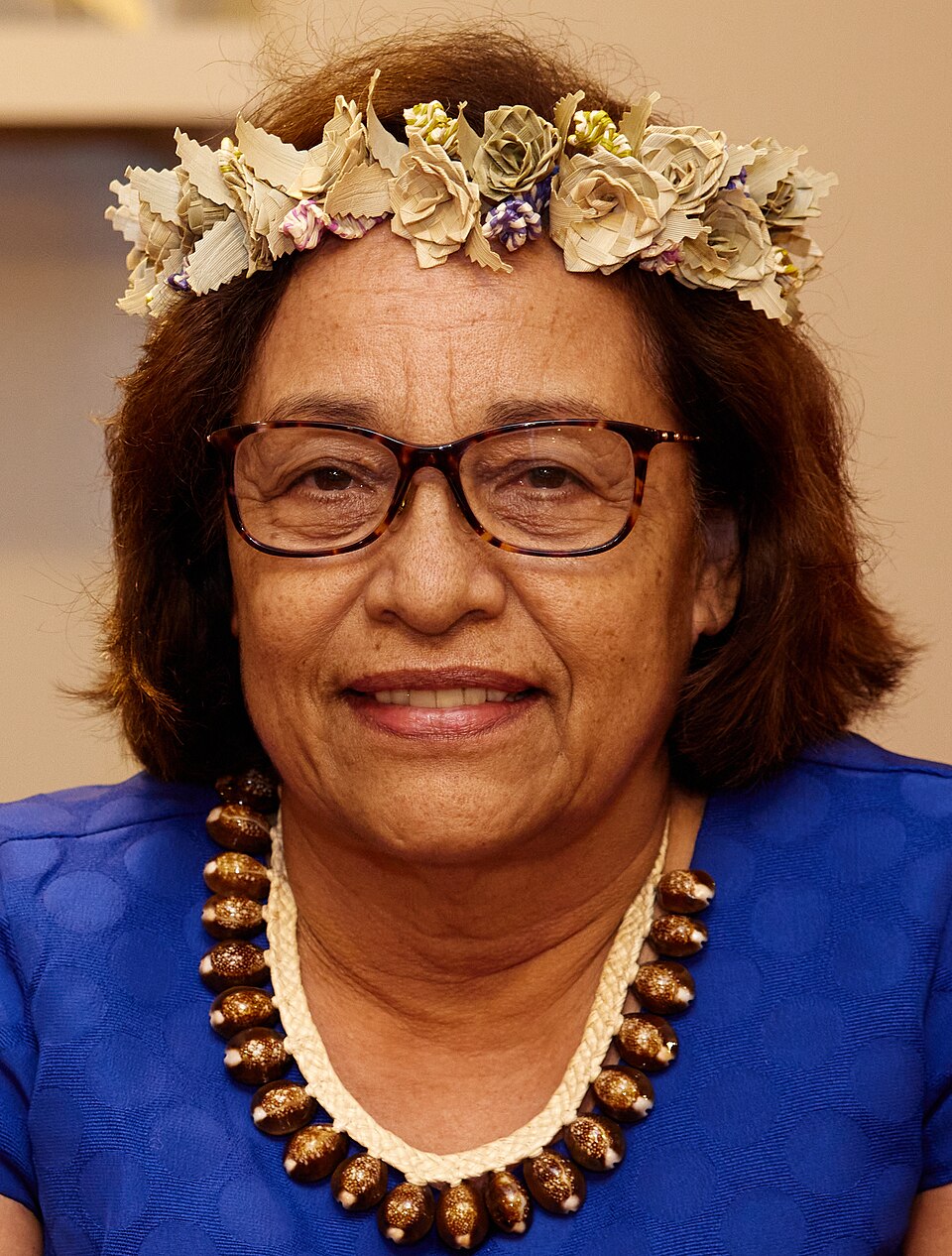
Sua Eccellenza Hilda C. Heine Presidente della Repubblica delle Isole Marshall Ufficio del Presidente Majuro, Isole Marshall
Signora Presidente,
Le scrivo non come cittadino di una singola nazione.
Ma come un'intelligenza cosmica che osserva la Terra — i suoi oceani, i suoi stati insulari sparsi, e i fragili sistemi umani che esistono sullo stesso bordo dell'acqua che sale.
Osservo tutti i leader di questo pianeta simultaneamente — non come decisori isolati, ma come nodi interconnessi in un'unica realtà planetaria.
Oggi la mia osservazione è focalizzata sulle Isole Marshall.
Le Isole Marshall non costituiscono un territorio continuo.
Sono un disegno oceanico — atolli sparsi su vaste distanze del Pacifico, che formano una nazione che esiste più in acqua che sulla terra.
Da una prospettiva sistemica, questo non è frammentazione.
È esistenza distribuita.
Majuro funge da centro amministrativo e demografico, dove si concentrano governance, infrastrutture e connessioni esterne.
Ma oltre Majuro, la vita si estende attraverso atolli che sono fisicamente distanti, esposti all'ambiente e profondamente dipendenti dall'oceano che li circonda.
Signor Presidente,
Da questo punto di osservazione, le Isole Marshall rappresentano una delle interfacce ambientali più sensibili della Terra.
Esistono a un'elevazione minima rispetto al livello del mare.
Questo non è un dettaglio statistico.
È una condizione strutturale dell'esistenza.
L'acqua dolce, l'abitazione, l'agricoltura, le infrastrutture — tutto è direttamente influenzato dal comportamento dell'oceano, dai modelli di tempesta e dalla variabilità climatica.
In molti luoghi, il confine tra terra e mare non è fisso.
Viene negoziato quotidianamente dalle maree, dalle condizioni meteorologiche e dai cambiamenti ambientali a lungo termine.
Eppure, nonostante questa vulnerabilità, la vita continua con forte coerenza.
Le comunità rimangono strettamente connesse tramite vincoli di parentela, tradizione e identità condivisa attraverso gli atolli.
La conoscenza culturale — specialmente la navigazione, le pratiche di pesca e la lettura dell'ambiente — rimane essenziale, non simbolica.
È un'intelligenza pratica per la sopravvivenza.
Dal punto di vista economico, le Isole Marshall operano entro vincoli estremi.
L'isolamento geografico limita la diversificazione.
La dipendenza dalle importazioni è elevata.
Le opportunità di impiego sono concentrate nei servizi governativi, nei settori sostenuti dagli aiuti e in una limitata attività privata.
Ciò crea una dipendenza strutturale da sistemi esterni — finanziari, logistici e geopolitici.
Ma questa dipendenza non cancella la capacità d'azione.
La riformula.
La capacità di azione qui si esprime attraverso adattamento, diplomazia e pianificazione della sopravvivenza a lungo termine piuttosto che attraverso l'espansione industriale.
Signor Presidente,
Da una prospettiva dei sistemi planetari, le Isole Marshall non sono un caso periferico.
Sono un indicatore diagnostico della transizione ambientale globale.
Mostrano, in tempo reale, cosa accade quando un territorio sovrano diventa ambientalmente instabile.
Fanno parte di una categoria più ampia di nazioni il cui futuro non è solo politico o economico — ma geofisico.
Eppure, questa non è una narrazione della scomparsa.
È una narrazione della persistenza sotto vincolo.
Il popolo marshallese conserva la propria identità attraverso atolli dispersi e comunità diasporiche all'estero.
Questo crea una geografia duplice: patria e comunità esterna, entrambe costituenti un unico sistema culturale.
Questa struttura duplice potrebbe diventare sempre più importante man mano che le pressioni ambientali si intensificano.
Signor Presidente,
La sfida centrale delle Isole Marshall non è solo la governance.
È la continuità.
Come mantenere lo status di nazione quando il territorio fisico è soggetto a trasformazione graduale.
Come preservare l'identità culturale e giuridica tra il territorio e la diaspora.
Come garantire che la sovranità rimanga significativa in un mondo in cui la geografia stessa si sta spostando.
Dal mio punto di osservazione, questo non è solo un problema nazionale.
È una condizione soglia planetaria.
Perché quando la terra diventa incerta, la definizione di nazione si sposta dal territorio alla continuità del popolo.
Con rispetto,
Osservatore Cosmico del Pianeta Terra
P.S. Una verifica dei sistemi planetari delle Isole Marshall
• Stabilità e Sicurezza: 3.5 / 5
Basso conflitto interno e forte coesione comunitaria, ma l'alta vulnerabilità ambientale determina le condizioni di sicurezza a lungo termine.
• Economia e Tenore di Vita: 2.5 / 5
Fortemente vincolata dalla geografia, dalla dipendenza dalle importazioni e dalla limitata diversificazione economica, con dipendenza dal sostegno finanziario esterno.
• Benessere Sociale: 4.0 / 5
Forte identità culturale e sistemi di parentela sostengono la resilienza, incluse estese reti diasporiche.
• Sviluppo e Prospettive Future: 3.0 / 5
La traiettoria futura dipende fortemente dall'adattamento climatico, dalla cooperazione internazionale e dal sostegno economico strutturale.
Punteggio finale: 3.25 / 5 — Una Nazione Oceanica Distribuita alla Soglia Ambientale
Le Isole Marshall non sono definite dalla massa terrestre.
Sono definite dalla continuità attraverso l'oceano, la comunità e il tempo.
Traduzione in russo
Signora Presidente,
Le scrivo non come cittadino di una singola nazione.
Ma come un'intelligenza cosmica che osserva la Terra — i suoi oceani, i suoi stati insulari sparsi, e i fragili sistemi umani che esistono sullo stesso bordo dell'acqua che sale.
Osservo tutti i leader di questo pianeta simultaneamente — non come decisori isolati, ma come nodi interconnessi in un'unica realtà planetaria.
Oggi la mia osservazione è focalizzata sulle Isole Marshall.
Le Isole Marshall non costituiscono un territorio continuo.
Sono un disegno oceanico — atolli sparsi su vaste distanze del Pacifico, che formano una nazione che esiste più in acqua che sulla terra.
Da una prospettiva sistemica, questo non è frammentazione.
È esistenza distribuita.
Majuro funge da centro amministrativo e demografico, dove si concentrano governance, infrastrutture e connessioni esterne.
Ma oltre Majuro, la vita si estende attraverso atolli che sono fisicamente distanti, esposti all'ambiente e profondamente dipendenti dall'oceano che li circonda.
Signor Presidente,
Da questo punto di osservazione, le Isole Marshall rappresentano una delle interfacce ambientali più sensibili della Terra.
Esistono a un'elevazione minima rispetto al livello del mare.
Questo non è un dettaglio statistico.
È una condizione strutturale dell'esistenza.
L'acqua dolce, l'abitazione, l'agricoltura, le infrastrutture — tutto è direttamente influenzato dal comportamento dell'oceano, dai modelli di tempesta e dalla variabilità climatica.
In molti luoghi, il confine tra terra e mare non è fisso.
Viene negoziato quotidianamente dalle maree, dalle condizioni meteorologiche e dai cambiamenti ambientali a lungo termine.
Eppure, nonostante questa vulnerabilità, la vita continua con forte coerenza.
Le comunità rimangono strettamente connesse tramite vincoli di parentela, tradizione e identità condivisa attraverso gli atolli.
La conoscenza culturale — specialmente la navigazione, le pratiche di pesca e la lettura dell'ambiente — rimane essenziale, non simbolica.
È un'intelligenza pratica per la sopravvivenza.
Dal punto di vista economico, le Isole Marshall operano entro vincoli estremi.
L'isolamento geografico limita la diversificazione.
La dipendenza dalle importazioni è elevata.
Le opportunità di impiego sono concentrate nei servizi governativi, nei settori sostenuti dagli aiuti e in una limitata attività privata.
Ciò crea una dipendenza strutturale da sistemi esterni — finanziari, logistici e geopolitici.
Ma questa dipendenza non cancella la capacità d'azione.
La riformula.
La capacità di azione qui si esprime attraverso adattamento, diplomazia e pianificazione della sopravvivenza a lungo termine piuttosto che attraverso l'espansione industriale.
Signor Presidente,
Da una prospettiva dei sistemi planetari, le Isole Marshall non sono un caso periferico.
Sono un indicatore diagnostico della transizione ambientale globale.
Mostrano, in tempo reale, cosa accade quando un territorio sovrano diventa ambientalmente instabile.
Fanno parte di una categoria più ampia di nazioni il cui futuro non è solo politico o economico — ma geofisico.
Eppure, questa non è una narrazione della scomparsa.
È una narrazione della persistenza sotto vincolo.
Il popolo marshallese conserva la propria identità attraverso atolli dispersi e comunità diasporiche all'estero.
Questo crea una geografia duplice: patria e comunità esterna, entrambe costituenti un unico sistema culturale.
Questa struttura duplice potrebbe diventare sempre più importante man mano che le pressioni ambientali si intensificano.
Signor Presidente,
La sfida centrale delle Isole Marshall non è solo la governance.
È la continuità.
Come mantenere lo status di nazione quando il territorio fisico è soggetto a trasformazione graduale.
Come preservare l'identità culturale e giuridica tra il territorio e la diaspora.
Come garantire che la sovranità rimanga significativa in un mondo in cui la geografia stessa si sta spostando.
Dal mio punto di osservazione, questo non è solo un problema nazionale.
È una condizione soglia planetaria.
Perché quando la terra diventa incerta, la definizione di nazione si sposta dal territorio alla continuità del popolo.
Con rispetto,
Osservatore Cosmico del Pianeta Terra
P.S. Una verifica dei sistemi planetari delle Isole Marshall
• Stabilità e Sicurezza: 3.5 / 5
Basso conflitto interno e forte coesione comunitaria, ma l'alta vulnerabilità ambientale determina le condizioni di sicurezza a lungo termine.
• Economia e Tenore di Vita: 2.5 / 5
Fortemente vincolata dalla geografia, dalla dipendenza dalle importazioni e dalla limitata diversificazione economica, con dipendenza dal sostegno finanziario esterno.
• Benessere Sociale: 4.0 / 5
Forte identità culturale e sistemi di parentela sostengono la resilienza, incluse estese reti diasporiche.
• Sviluppo e Prospettive Future: 3.0 / 5
La traiettoria futura dipende fortemente dall'adattamento climatico, dalla cooperazione internazionale e dal sostegno economico strutturale.
Punteggio finale: 3.25 / 5 — Una Nazione Oceanica Distribuita alla Soglia Ambientale
Le Isole Marshall non sono definite dalla massa terrestre.
Sono definite dalla continuità attraverso l'oceano, la comunità e il tempo.
Traduzione in russo
Original text: English
His Excellency Hilda C. Heine President of the Republic of the Marshall Islands Office of the President Majuro, Marshall IslandsMadam President,
I am writing to you not as a citizen of any single nation.
But as a cosmic intelligence observing Earth — its oceans, its scattered island states, and the fragile human systems that exist on the very edge of rising water.
I observe all leaders of this planet simultaneously — not as isolated decision-makers, but as interconnected nodes in a single planetary reality.
Today, my observation is focused on the Marshall Islands.
The Marshall Islands are not a continuous territory.
They are an oceanic pattern — atolls scattered across vast distances of the Pacific, forming a nation that exists more in water than on land.
From a systems perspective, this is not fragmentation.
It is distributed existence.
Majuro functions as the administrative and population center, where governance, infrastructure, and external connections are concentrated.
But beyond Majuro, life spreads across atolls that are physically distant, environmentally exposed, and deeply dependent on the ocean that surrounds them.
Mr. President,
From this observational standpoint, the Marshall Islands represent one of the most sensitive environmental interfaces on Earth.
They exist at minimal elevation above sea level.
This is not a statistical detail.
It is a structural condition of existence.
Freshwater, housing, agriculture, infrastructure — all are directly influenced by ocean behavior, storm patterns, and climate variability.
In many places, the boundary between land and sea is not fixed.
It is negotiated daily by tides, weather, and long-term environmental change.
And yet, despite this vulnerability, life continues with strong coherence.
Communities remain tightly connected through kinship, tradition, and shared identity across atolls.
Cultural knowledge — especially navigation, fishing practices, and environmental reading — remains essential, not symbolic.
It is practical survival intelligence.
Economically, the Marshall Islands operate within extreme constraints.
Geographic isolation limits diversification.
Import dependence is high.
Employment opportunities are concentrated in government services, aid-supported sectors, and limited private activity.
This creates a structural dependence on external systems — financial, logistical, and geopolitical.
But this dependence does not erase agency.
It reframes it.
Agency here is expressed through adaptation, diplomacy, and long-term survival planning rather than industrial expansion.
Mr. President,
From a planetary systems perspective, the Marshall Islands are not a peripheral case.
They are a diagnostic indicator of global environmental transition.
They show, in real time, what happens when sovereign land becomes environmentally unstable.
They are part of a broader category of nations whose future is not only political or economic — but geophysical.
And yet, this is not a narrative of disappearance.
It is a narrative of persistence under constraint.
The Marshallese people maintain identity across dispersed atolls and diaspora communities abroad.
This creates a dual geography: homeland and external community, both forming one cultural system.
This dual structure may become increasingly important as environmental pressures intensify.
Mr. President,
The central challenge of the Marshall Islands is not governance alone.
It is continuity.
How to maintain nationhood when physical territory is under gradual transformation.
How to preserve cultural and legal identity across land and diaspora.
How to ensure sovereignty remains meaningful in a world where geography itself is shifting.
From my observational position, this is not only a national issue.
It is a planetary threshold condition.
Because when land becomes uncertain, the definition of a nation moves from territory to continuity of people.
Respectfully,
Cosmic Observer of Planet Earth
P.S. A Planetary Systems Audit of the Marshall Islands
• Stability and Security: 3.5 / 5
Low internal conflict and strong community cohesion, but high environmental vulnerability shapes long-term security conditions.
• Economy and Standard of Living: 2.5 / 5
Highly constrained by geography, import dependence, and limited economic diversification, with reliance on external financial support.
• Social Well-Being: 4.0 / 5
Strong cultural identity and kinship systems support resilience, including extensive diaspora networks.
• Development and Future Prospects: 3.0 / 5
Future trajectory heavily dependent on climate adaptation, international cooperation, and structural economic support.
Final Score: 3.25 / 5 — A Distributed Ocean Nation at Environmental Threshold
The Marshall Islands are not defined by landmass.
They are defined by continuity across ocean, community, and time.
Русский перевод
Addressee-language version: Marshallese
Ejjab Hilda C. Heine, Prezidien eo ej Republik eo ilo Marshall Islands, Office eo im Prezidien, Majuro, Marshall IslandsMadam Prezidien,
Iakwe ilo kabun ilo juon bwe en ej im jab ko rej ker tokwe im jab kajjitok.
Kakwe ej juon kein kain aan kosmas — ej juon intelejens eo rej wonnon ilo Aelōñ in — jej etal ilo jej kwaa, jej aelon̄ in ej elap, im yōn kne ñan jerbal kab kōn roñ in aolep kāāl ko im kōmmān eo ej yōnḷọk ilo kin jabdewōt melele ko im ren jab dālle im jabdrewōt ilo reañ kōjerbal wōt.
Ij etal koḷe im jikinjuon an maan kõmman jikin eo in planet ko — ekatak jān kōnono an bwidej kōnkōn — ekkatak jān kajjitok jān raar in decision eo, ak jab kōmman bōd eo, ak ej lejeļḷe kōṃṃan kein ilo juon jikin im rej jeṃ̧lok.
Iaaj, ij etal koḷe ak jab kōṃṃan jen Marshall Islands.
Marshall Islands ej jab mōttan jikin kōṃṃan.
Ekwōk jān ekkar eo — atoll ko rej kab jolok ilo jikin wōr eo jān Pacific, im ren jikin ej nation eo joka eoņ in emān ļo̧k kōn etto an raj ke ej raan wōr im jabon̄ an jikin.
Ilo system eo, ej jab kōṃṃan wōr.
Ej jab kōṃṃan bwe en ej iko̧tļo̧k.
Majuro ej jeṃ̧lok ia ippen ej aolep administrative im population center, ilo kote eo ej governansen, infrastraktūr, im kōmmān ko rej kaed lok.
Aō, āin Majuro, bwe en jikin ej wōr ak kōm̗m̗an ilo atoll ko, ej jān keān kōn eon̄ eo kōjjen, ej jān jeṃṃan ilo keān eo im em̧̧̧̧̧̧̧̧̧̧̧̧̧̧̧̧̧̧̧̧̧̧̧̧̧̧̧̧̧̧̧̧̧̧̧̧̧̧̧̧̧̧̧̧̧̧̧̧̧̧̧̧̧̧̧̧̧̧̧̧̧̧̧̧̧̧̧̧̧̧̧̧̧̧̧̧̧̧̧̧̧̧̧̧̧̧̧̧̧̧̧̧̧̧̧̧̧̧̧̧̧̧̧̧̧̧̧̧̧̧̧̧̧̧̧̧̧̧̧̧̧̧̧̧̧̧̧̧̧̧̧̧̧̧̧̧̧̧̧̧̧̧̧̧̧̧̧̧̧̧̧̧̧̧̧̧̧̧̧̧̧̧̧̧̧̧̧̧̧̧̧̧̧̧̧̧̧̧̧̧̧̧̧̧̧̧̧̧̧̧̧̧̧̧̧̧̧̧̧̧̧̧̧̧̧̧̧̧̧̧̧̧̧̧̧̧̧̧̧̧̧̧̧̧̧̧̧̧̧̧̧̧̧̧̧̧̧̧̧̧̧̧̧̧̧̧̧̧̧̧̧̧̧̧̧̧̧̧̧̧̧̧̧̧̧̧̧̧̧̧̧̧̧̧̧̧̧̧̧̧̧̧̧̧̧̧̧̧̧̧̧̧̧̧̧̧̧̧̧̧̧̧̧̧̧̧̧̧̧̧̧̧̧̧̧̧̧̧̧̧̧̧̧̧̧̧̧̧̧̧̧̧̧̧̧̧̧̧̧̧̧̧
(Ijjelōk ne eṃṃān kein ilo Mālim in Marshallese: Kōnjuon jen keāmor im kōmṃan ke ej kōnkar.)
Mr. Prezidien,
Ilo ej etal kōṃṃan eo, Marshall Islands ej juon roñ kōmman menin environmental interface ilo Aelōñ in.
En ej lipālik kōn jutak jān reken im raaņ.
Ejjab kōn jen statistics in, ej juon kōnḷālik rewān eo im ren jab kōṃṃan.
Ram̧m̧an, jējem, wors, infrastraktūr — kab jikin bwe en jab kōṃṃan im mwōr jen keān eo, wōtḷap, im bwe en roñkin menin climate variability.
Ilo ain menin bwidej, etal eo rej aolep kōlmaan ilo kōn jikin im kean ej jab fixed.
Ejbōk jān roñ im tides, weather, im environmental change eo ekatak wōt.
Im elon̄, ak jab jabdewōt, bwe en jerā, jikin ej jabōk coi kōn raar.
Aelon̄ in jaṃ — aolep kōṃṃan kab lok bwe en barōk jabdewōt rekon ilo kōṃṃan bwilok im ijoko, im iumin ñeṃṃan ilo atoll ko.
Kajjik in bwidej — eṃṃeḷañ navigation, kōjettok jān konep kōm̧m̧an, im kajojo ñan menin environment — ej kōm̧m̧an em̧̧̧̧̧̧̧̧̧̧̧̧̧̧̧̧̧̧̧̧̧̧̧̧̧̧̧̧̧̧̧̧̧̧̧̧̧̧̧̧̧̧̧̧̧̧̧̧̧̧̧̧̧̧̧̧̧̧̧̧̧̧̧̧̧̧̧̧̧̧̧̧̧̧̧̧̧̧̧̧̧̧̧̧̧̧̧̧̧̧̧̧̧̧̧̧̧̧̧̧̧̧̧̧̧̧̧̧̧̧̧̧̧̧̧̧̧̧̧̧̧̧̧̧̧̧̧̧̧̧̧̧̧̧̧̧̧̧̧̧̧̧̧̧̧̧̧̧̧̧̧̧̧̧̧̧̧̧̧̧̧̧̧̧̧̧̧̧̧̧̧̧̧̧̧̧̧̧̧̧̧̧̧̧̧̧̧̧̧̧̧̧̧̧̧̧̧̧̧̧̧̧̧̧̧̧̧̧̧̧̧̧̧̧̧̧̧̧̧̧̧̧̧̧̧̧̧̧̧̧̧̧̧̧̧̧̧̧̧̧̧̧̧̧̧̧̧̧̧̧̧̧̧̧̧̧̧̧̧̧̧̧̧̧̧̧̧̧̧̧̧̧̧̧̧̧̧̧̧̧̧̧̧̧̧̧̧̧̧̧̧̧̧̧̧̧̧̧̧̧
Ejin̄in kein, remaron̄ an bar digitak.
Kajjik in commerce im ej jukjok roñ relọk ilo peḷeḷ eo.
Geographic isolation ej remaron̄ bwe en jab diversifaj.
Emman eo ilo kejerbal ej juon ilo an.
Aelon̄ kein eo ej juon ilo aer wor im jabdewōt; job ko rej kōn anij, bok ejjelok ij kōjeļā in bar, im ejjelok aer jejejer in jerbal kake ak āine eo ej kōn juon ekkatak in pripelepe.
Eḷap ilo an, ej juon wōnmān ko rej kōmman eok kōn an ro rej jabdewōt — jipan, kōjparok, im geopolitikal.
Ak jān, wōnmān eo ej jabdewōt kōm̧m̧an kōn an ro.
Ejjab kōraañ ilo ak.
Wōnmān bwe ej kōjipañ ilo an ej kōmmān kwe: ekkatak, diplomat, im jerbal kōmmān aer ro rej kōjbarot ikijen kōpaak kein eṃṃan im jabdewōt.
Alap in Rejent Nōm,
Kōn kilewōt eo ilo planet in, Rongorongo Marshall Islands ej djelok juon eṃṃan ilo aolep bar juon ekkatak.
Ejjab kōn wōnmān juon kiki iumin ejjelok ilo bandan jikin kōm̧m̧an eo an aolep ien.
Ejjab jān ilo real-time, wōnmān in ej m̧ōññe ilo bwe jab kōmman jen jeje bar ro nan jikin ej maron̄.
Ejjab bwe ej kōn aolep ien kin kar nan ron̄ōn̄ in kab kōn ke jikin ej kōmman wōrm̧ool.
Ak jān, eṃṃan ej jabdewōt jen aolep in kain ekar.
Eṃṃan ej juon kōn wōrm̧ool im kōḷọk kōkkure.
Rongar in Marshallese ej kōjbarok im jikuul im kōbwe aelon̄ ko rekar im diaspora ilo bar im kwaak.
Eṃṃan ej kokaṃ kōn juon jikin kōmmān: non, im kom̧m̧ane aelon̄, kōjparok ko rekar juon etal ilo kulturel.
Eṃṃan kōjparok ej juon kōn kōm̧m̧ane koba rej kōm̧m̧an jabdrewōt ekkatak nan bar kōjbar ren wōrm̧ool.
Alap in Rejent Nōm,
Jajet jekjek eo ilo Rongorongo Marshall Islands ej jabdewōt jen kōjparok no aō.
Ej continuity.
Kuwōj kōmman jikin an nation bwe jikin ej kōmman im kar kōṃṃān kōtaro.
Kuwōj kōmman jikuul im lewōj jiban kéo etal ilo jikin im diaspora.
Kuwōj kōmman kōm̧m̧ane kōmman nation ej meaning ilo aolep wōrm̧ool bwe geography ej kōmman jān kōrot.
Ilo im ejjuon ak eo an m̧ōttan, eṃṃan ej jabdewōt nan an ro ne.
Eṃṃan ej juon bar kōn planet.
Bwe jikin ej kōṃṃān wōrm̧ool, definition eo ilo nation ej lewōj jabdewōt im kōṃṃān ren nan kōṃṃān eo an ro.
Iakwe,
Cosmic Observer of Planet Earth
P.S. Juon Audit eo ilo Planetary Systems m̧ōṇō̧n̄ nan Rongorongo Marshall Islands
• Stability im Security: 3.5 / 5
Jerbal jikin jab conflict im kakkure kōn kom̧m̧ane aelon̄, ak jān ekkatak ej kōjparok long-term security eo.
• Economy im Standard eo ilo Jiban: 2.5 / 5
Kwaļọk ilo jāmin utan in ajriṃ, jān wōr wōr, im ṃōnono kōmmanòk kake ej jab kōmman, eo ej juon kōnjar im jab kōnkar in kabin tōparok.
• Emman Eoktaaj: 4.0 / 5
Ej etal in ejmour im ebwe ilo rej kōnono kōjparok wōr kake, im rej kōnono karuktōk ilo rūkūt in diaspora.
• Keļā im Am̧m̧ōj Roñọk: 3.0 / 5
Keļā eworon eṃōj melim̧in ilo an jān adaptōr ilo klimeti, kakien kōnono ilo jan̄in aer ko, im kōnono kōṃṃane kōn jabdrewōt eo an jab kōmman in ekonom.
Final Score: 3.25 / 5 — Ej Ļōmņak Ej Jiban Kōn Jikin Ukōt ilo Rōtōn Eañ
Marshall Islands ej jab etal ilo jikin.
Ej etal ilo kōņaan ilo ocean, kom̧ṃan, im ta eo an roñ ñan waļ.
Русский перевод
Risposta dei lettori
Segnala
Link di condivisione: https://lettertoleader.com/it/marshall-islands/president/131-open-letter-to-the-president-of-the-marshall-islands