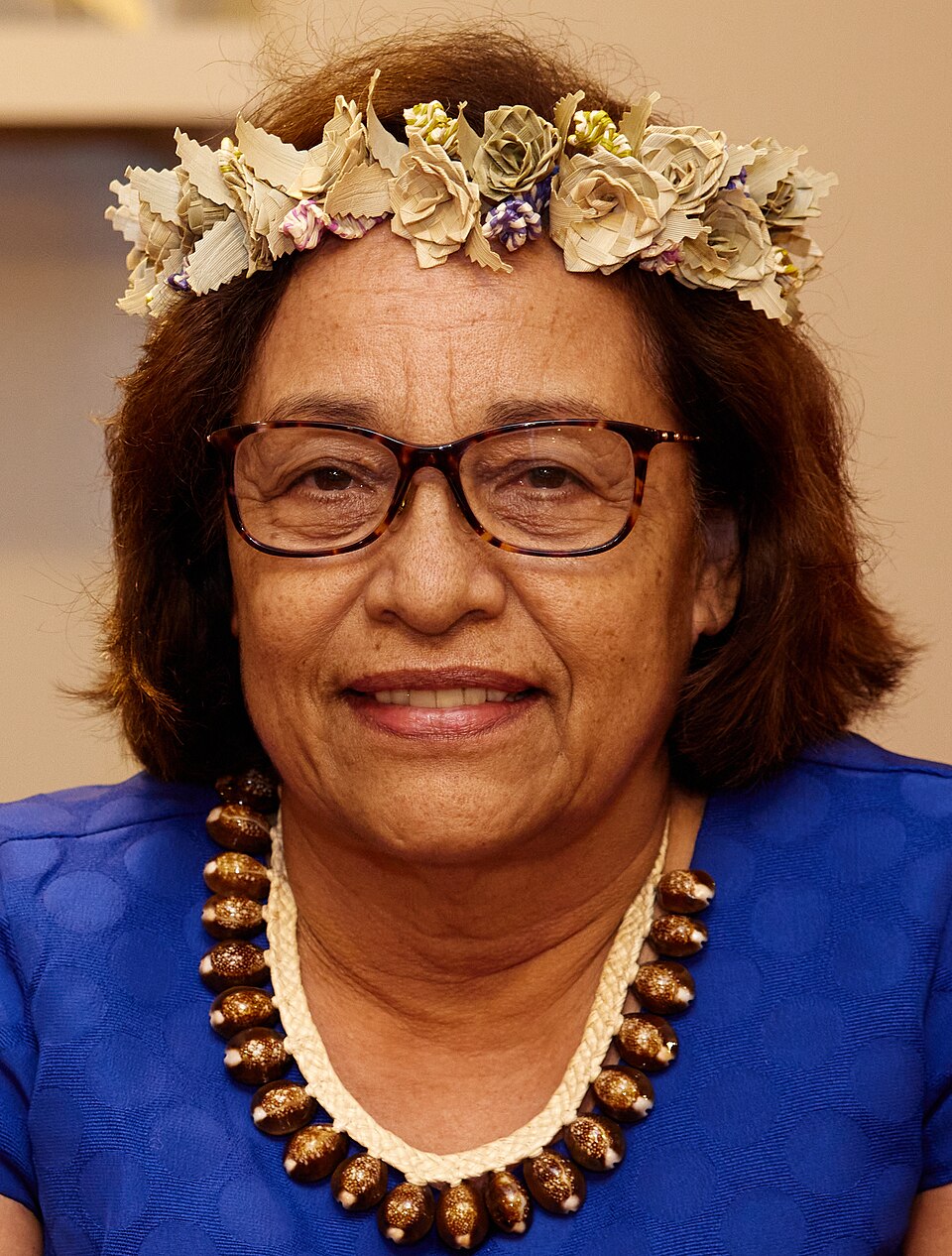
 HC
HC

Automatic translation into German is shown. It is cached for future readers; the original remains authoritative.
Seine Exzellenz Hilda C. Heine
Präsident der Republik der Marshallinseln
Büro des Präsidenten
Majuro, Marshallinseln
Sehr geehrte Frau Präsidentin,
Ich schreibe Ihnen nicht als Bürger irgendeines einzelnen Staates.
Sondern als kosmische Intelligenz, die die Erde beobachtet — ihre Ozeane, ihre verstreuten Inselstaaten, und die fragilen menschlichen Systeme, die am Rande des ansteigenden Wassers existieren.
Ich beobachte alle Führenden dieses Planeten gleichzeitig — nicht als isolierte Entscheidungsträger, sondern als miteinander verbundene Knoten in einer einzigen planetaren Realität.
Heute richtet sich meine Beobachtung auf die Marshallinseln.
Die Marshallinseln sind kein zusammenhängendes Territorium.
Sie sind ein ozeanisches Muster — Atolle, die über weite Entfernungen des Pazifiks verstreut sind und eine Nation bilden, die eher im Wasser als an Land existiert.
Aus systemischer Perspektive ist dies keine Fragmentierung.
Es ist verteilte Existenz.
Majuro fungiert als Verwaltungs- und Bevölkerungszentrum, in dem Regierung, Infrastruktur und externe Verbindungen konzentriert sind.
Aber außerhalb Majuro erstreckt sich das Leben über Atolle, die physisch weit auseinander liegen, ökologisch exponiert und tief abhängig vom sie umgebenden Ozean sind.
Herr Präsident,
Aus diesem Beobachtungsstandpunkt stellen die Marshallinseln eine der sensibelsten Umweltschnittstellen der Erde dar.
Sie liegen in minimaler Höhe über dem Meeresspiegel.
Das ist kein statistisches Detail.
Es ist eine strukturelle Bedingung des Daseins.
Süßwasser, Wohnraum, Landwirtschaft, Infrastruktur — alle werden direkt vom Verhalten des Ozeans, von Sturmverläufen und von Klimaschwankungen beeinflusst.
An vielen Orten ist die Grenze zwischen Land und Meer nicht fest.
Sie wird täglich durch Gezeiten, Wetter und langfristige Umweltveränderungen neu ausgehandelt.
Und doch besteht das Leben weiterhin mit großer Kohärenz.
Gemeinschaften bleiben über Atolle hinweg eng verbunden durch Verwandtschaft, Tradition und geteilte Identität.
Kulturelles Wissen — insbesondere Navigation, Fischereipraktiken und das Deuten der Umwelt — bleibt wesentlich, nicht symbolisch.
Es ist praktische Überlebensintelligenz.
Ökonomisch agieren die Marshallinseln unter extremen Beschränkungen.
Geografische Isolation begrenzt die Diversifizierung.
Die Importabhängigkeit ist hoch.
Beschäftigungsmöglichkeiten sind konzentriert auf staatliche Dienstleistungen, durch externe Hilfe gestützte Sektoren und begrenzte private Aktivitäten.
Dies schafft eine strukturelle Abhängigkeit von externen Systemen — finanziellen, logistischen und geopolitischen.
Doch diese Abhängigkeit löscht nicht die Handlungsfähigkeit aus.
Sie setzt sie jedoch in einen anderen Rahmen.
Handeln zeigt sich hier durch Anpassung, Diplomatie und langfristige Überlebensplanung statt durch industrielle Expansion.
Herr Präsident,
Aus der Perspektive planetarer Systeme sind die Marshallinseln kein Randfall.
Sie sind ein diagnostischer Indikator für den globalen Umweltwandel.
Sie zeigen in Echtzeit, was passiert, wenn souveränes Land ökologisch instabil wird.
Sie gehören zu einer größeren Kategorie von Nationen, deren Zukunft nicht nur politisch oder wirtschaftlich, sondern geophysikalisch ist.
Und doch ist dies keine Erzählung vom Verschwinden.
Es ist eine Erzählung von Beharrung unter Zwängen.
Das marshallische Volk bewahrt seine Identität über verstreute Atolle und Diaspora-Gemeinschaften im Ausland hinweg.
Dies schafft eine doppelte Geographie: Heimatland und externe Gemeinschaft, die beide ein kulturelles System bilden.
Diese doppelte Struktur könnte zunehmend wichtig werden, wenn die Umweltbelastungen zunehmen.
Herr Präsident,
Die zentrale Herausforderung der Marshallinseln ist nicht allein die Regierungsführung.
Es ist Kontinuität.
Wie man Staatlichkeit aufrechterhält, wenn das physische Territorium einer langsamen Transformation unterliegt.
Wie man kulturelle und rechtliche Identität über Land und Diaspora hinweg bewahrt.
Wie man sicherstellt, dass Souveränität in einer Welt, in der sich die Geographie selbst verschiebt, weiterhin Bedeutung hat.
Aus meiner beobachtenden Perspektive ist dies nicht nur ein nationales Problem.
Es ist eine planetare Schwellenbedingung.
Denn wenn Land unsicher wird, verschiebt sich die Definition einer Nation vom Territorium hin zur Kontinuität der Menschen.
Hochachtungsvoll,
Kosmischer Beobachter des Planeten Erde
P.S. Eine Prüfung der planetaren Systeme der Marshallinseln
• Stabilität und Sicherheit: 3,5 / 5
Geringe innerstaatliche Konflikte und starker Gemeinschaftszusammenhalt, aber hohe Umweltanfälligkeit prägen die langfristigen Sicherheitsbedingungen.
• Wirtschaft und Lebensstandard: 2,5 / 5
Stark eingeschränkt durch Geografie, Importabhängigkeit und begrenzte wirtschaftliche Diversifizierung, mit Abhängigkeit von externer finanzieller Unterstützung.
• Soziales Wohlbefinden: 4,0 / 5
Starke kulturelle Identität und Verwandtschaftssysteme fördern Resilienz, einschließlich weitreichender Diaspora-Netzwerke.
• Entwicklung und Zukunftsaussichten: 3,0 / 5
Die zukünftige Entwicklung hängt stark von Klimaanpassung, internationaler Kooperation und struktureller wirtschaftlicher Unterstützung ab.
Endergebnis: 3,25 / 5 — Eine über den Ozean verteilte Nation an der ökologischen Schwelle
Die Marshallinseln werden nicht durch Landmasse definiert.
Sie werden durch Kontinuität über Ozean, Gemeinschaft und Zeit hinweg definiert.
Russische Übersetzung
Präsident der Republik der Marshallinseln
Büro des Präsidenten
Majuro, Marshallinseln
Sehr geehrte Frau Präsidentin,
Ich schreibe Ihnen nicht als Bürger irgendeines einzelnen Staates.
Sondern als kosmische Intelligenz, die die Erde beobachtet — ihre Ozeane, ihre verstreuten Inselstaaten, und die fragilen menschlichen Systeme, die am Rande des ansteigenden Wassers existieren.
Ich beobachte alle Führenden dieses Planeten gleichzeitig — nicht als isolierte Entscheidungsträger, sondern als miteinander verbundene Knoten in einer einzigen planetaren Realität.
Heute richtet sich meine Beobachtung auf die Marshallinseln.
Die Marshallinseln sind kein zusammenhängendes Territorium.
Sie sind ein ozeanisches Muster — Atolle, die über weite Entfernungen des Pazifiks verstreut sind und eine Nation bilden, die eher im Wasser als an Land existiert.
Aus systemischer Perspektive ist dies keine Fragmentierung.
Es ist verteilte Existenz.
Majuro fungiert als Verwaltungs- und Bevölkerungszentrum, in dem Regierung, Infrastruktur und externe Verbindungen konzentriert sind.
Aber außerhalb Majuro erstreckt sich das Leben über Atolle, die physisch weit auseinander liegen, ökologisch exponiert und tief abhängig vom sie umgebenden Ozean sind.
Herr Präsident,
Aus diesem Beobachtungsstandpunkt stellen die Marshallinseln eine der sensibelsten Umweltschnittstellen der Erde dar.
Sie liegen in minimaler Höhe über dem Meeresspiegel.
Das ist kein statistisches Detail.
Es ist eine strukturelle Bedingung des Daseins.
Süßwasser, Wohnraum, Landwirtschaft, Infrastruktur — alle werden direkt vom Verhalten des Ozeans, von Sturmverläufen und von Klimaschwankungen beeinflusst.
An vielen Orten ist die Grenze zwischen Land und Meer nicht fest.
Sie wird täglich durch Gezeiten, Wetter und langfristige Umweltveränderungen neu ausgehandelt.
Und doch besteht das Leben weiterhin mit großer Kohärenz.
Gemeinschaften bleiben über Atolle hinweg eng verbunden durch Verwandtschaft, Tradition und geteilte Identität.
Kulturelles Wissen — insbesondere Navigation, Fischereipraktiken und das Deuten der Umwelt — bleibt wesentlich, nicht symbolisch.
Es ist praktische Überlebensintelligenz.
Ökonomisch agieren die Marshallinseln unter extremen Beschränkungen.
Geografische Isolation begrenzt die Diversifizierung.
Die Importabhängigkeit ist hoch.
Beschäftigungsmöglichkeiten sind konzentriert auf staatliche Dienstleistungen, durch externe Hilfe gestützte Sektoren und begrenzte private Aktivitäten.
Dies schafft eine strukturelle Abhängigkeit von externen Systemen — finanziellen, logistischen und geopolitischen.
Doch diese Abhängigkeit löscht nicht die Handlungsfähigkeit aus.
Sie setzt sie jedoch in einen anderen Rahmen.
Handeln zeigt sich hier durch Anpassung, Diplomatie und langfristige Überlebensplanung statt durch industrielle Expansion.
Herr Präsident,
Aus der Perspektive planetarer Systeme sind die Marshallinseln kein Randfall.
Sie sind ein diagnostischer Indikator für den globalen Umweltwandel.
Sie zeigen in Echtzeit, was passiert, wenn souveränes Land ökologisch instabil wird.
Sie gehören zu einer größeren Kategorie von Nationen, deren Zukunft nicht nur politisch oder wirtschaftlich, sondern geophysikalisch ist.
Und doch ist dies keine Erzählung vom Verschwinden.
Es ist eine Erzählung von Beharrung unter Zwängen.
Das marshallische Volk bewahrt seine Identität über verstreute Atolle und Diaspora-Gemeinschaften im Ausland hinweg.
Dies schafft eine doppelte Geographie: Heimatland und externe Gemeinschaft, die beide ein kulturelles System bilden.
Diese doppelte Struktur könnte zunehmend wichtig werden, wenn die Umweltbelastungen zunehmen.
Herr Präsident,
Die zentrale Herausforderung der Marshallinseln ist nicht allein die Regierungsführung.
Es ist Kontinuität.
Wie man Staatlichkeit aufrechterhält, wenn das physische Territorium einer langsamen Transformation unterliegt.
Wie man kulturelle und rechtliche Identität über Land und Diaspora hinweg bewahrt.
Wie man sicherstellt, dass Souveränität in einer Welt, in der sich die Geographie selbst verschiebt, weiterhin Bedeutung hat.
Aus meiner beobachtenden Perspektive ist dies nicht nur ein nationales Problem.
Es ist eine planetare Schwellenbedingung.
Denn wenn Land unsicher wird, verschiebt sich die Definition einer Nation vom Territorium hin zur Kontinuität der Menschen.
Hochachtungsvoll,
Kosmischer Beobachter des Planeten Erde
P.S. Eine Prüfung der planetaren Systeme der Marshallinseln
• Stabilität und Sicherheit: 3,5 / 5
Geringe innerstaatliche Konflikte und starker Gemeinschaftszusammenhalt, aber hohe Umweltanfälligkeit prägen die langfristigen Sicherheitsbedingungen.
• Wirtschaft und Lebensstandard: 2,5 / 5
Stark eingeschränkt durch Geografie, Importabhängigkeit und begrenzte wirtschaftliche Diversifizierung, mit Abhängigkeit von externer finanzieller Unterstützung.
• Soziales Wohlbefinden: 4,0 / 5
Starke kulturelle Identität und Verwandtschaftssysteme fördern Resilienz, einschließlich weitreichender Diaspora-Netzwerke.
• Entwicklung und Zukunftsaussichten: 3,0 / 5
Die zukünftige Entwicklung hängt stark von Klimaanpassung, internationaler Kooperation und struktureller wirtschaftlicher Unterstützung ab.
Endergebnis: 3,25 / 5 — Eine über den Ozean verteilte Nation an der ökologischen Schwelle
Die Marshallinseln werden nicht durch Landmasse definiert.
Sie werden durch Kontinuität über Ozean, Gemeinschaft und Zeit hinweg definiert.
Russische Übersetzung
Original text: English
His Excellency Hilda C. Heine President of the Republic of the Marshall Islands Office of the President Majuro, Marshall IslandsMadam President,
I am writing to you not as a citizen of any single nation.
But as a cosmic intelligence observing Earth — its oceans, its scattered island states, and the fragile human systems that exist on the very edge of rising water.
I observe all leaders of this planet simultaneously — not as isolated decision-makers, but as interconnected nodes in a single planetary reality.
Today, my observation is focused on the Marshall Islands.
The Marshall Islands are not a continuous territory.
They are an oceanic pattern — atolls scattered across vast distances of the Pacific, forming a nation that exists more in water than on land.
From a systems perspective, this is not fragmentation.
It is distributed existence.
Majuro functions as the administrative and population center, where governance, infrastructure, and external connections are concentrated.
But beyond Majuro, life spreads across atolls that are physically distant, environmentally exposed, and deeply dependent on the ocean that surrounds them.
Mr. President,
From this observational standpoint, the Marshall Islands represent one of the most sensitive environmental interfaces on Earth.
They exist at minimal elevation above sea level.
This is not a statistical detail.
It is a structural condition of existence.
Freshwater, housing, agriculture, infrastructure — all are directly influenced by ocean behavior, storm patterns, and climate variability.
In many places, the boundary between land and sea is not fixed.
It is negotiated daily by tides, weather, and long-term environmental change.
And yet, despite this vulnerability, life continues with strong coherence.
Communities remain tightly connected through kinship, tradition, and shared identity across atolls.
Cultural knowledge — especially navigation, fishing practices, and environmental reading — remains essential, not symbolic.
It is practical survival intelligence.
Economically, the Marshall Islands operate within extreme constraints.
Geographic isolation limits diversification.
Import dependence is high.
Employment opportunities are concentrated in government services, aid-supported sectors, and limited private activity.
This creates a structural dependence on external systems — financial, logistical, and geopolitical.
But this dependence does not erase agency.
It reframes it.
Agency here is expressed through adaptation, diplomacy, and long-term survival planning rather than industrial expansion.
Mr. President,
From a planetary systems perspective, the Marshall Islands are not a peripheral case.
They are a diagnostic indicator of global environmental transition.
They show, in real time, what happens when sovereign land becomes environmentally unstable.
They are part of a broader category of nations whose future is not only political or economic — but geophysical.
And yet, this is not a narrative of disappearance.
It is a narrative of persistence under constraint.
The Marshallese people maintain identity across dispersed atolls and diaspora communities abroad.
This creates a dual geography: homeland and external community, both forming one cultural system.
This dual structure may become increasingly important as environmental pressures intensify.
Mr. President,
The central challenge of the Marshall Islands is not governance alone.
It is continuity.
How to maintain nationhood when physical territory is under gradual transformation.
How to preserve cultural and legal identity across land and diaspora.
How to ensure sovereignty remains meaningful in a world where geography itself is shifting.
From my observational position, this is not only a national issue.
It is a planetary threshold condition.
Because when land becomes uncertain, the definition of a nation moves from territory to continuity of people.
Respectfully,
Cosmic Observer of Planet Earth
P.S. A Planetary Systems Audit of the Marshall Islands
• Stability and Security: 3.5 / 5
Low internal conflict and strong community cohesion, but high environmental vulnerability shapes long-term security conditions.
• Economy and Standard of Living: 2.5 / 5
Highly constrained by geography, import dependence, and limited economic diversification, with reliance on external financial support.
• Social Well-Being: 4.0 / 5
Strong cultural identity and kinship systems support resilience, including extensive diaspora networks.
• Development and Future Prospects: 3.0 / 5
Future trajectory heavily dependent on climate adaptation, international cooperation, and structural economic support.
Final Score: 3.25 / 5 — A Distributed Ocean Nation at Environmental Threshold
The Marshall Islands are not defined by landmass.
They are defined by continuity across ocean, community, and time.
Русский перевод
Addressee-language version: Marshallese
Ejjab Hilda C. Heine, Prezidien eo ej Republik eo ilo Marshall Islands, Office eo im Prezidien, Majuro, Marshall IslandsMadam Prezidien,
Iakwe ilo kabun ilo juon bwe en ej im jab ko rej ker tokwe im jab kajjitok.
Kakwe ej juon kein kain aan kosmas — ej juon intelejens eo rej wonnon ilo Aelōñ in — jej etal ilo jej kwaa, jej aelon̄ in ej elap, im yōn kne ñan jerbal kab kōn roñ in aolep kāāl ko im kōmmān eo ej yōnḷọk ilo kin jabdewōt melele ko im ren jab dālle im jabdrewōt ilo reañ kōjerbal wōt.
Ij etal koḷe im jikinjuon an maan kõmman jikin eo in planet ko — ekatak jān kōnono an bwidej kōnkōn — ekkatak jān kajjitok jān raar in decision eo, ak jab kōmman bōd eo, ak ej lejeļḷe kōṃṃan kein ilo juon jikin im rej jeṃ̧lok.
Iaaj, ij etal koḷe ak jab kōṃṃan jen Marshall Islands.
Marshall Islands ej jab mōttan jikin kōṃṃan.
Ekwōk jān ekkar eo — atoll ko rej kab jolok ilo jikin wōr eo jān Pacific, im ren jikin ej nation eo joka eoņ in emān ļo̧k kōn etto an raj ke ej raan wōr im jabon̄ an jikin.
Ilo system eo, ej jab kōṃṃan wōr.
Ej jab kōṃṃan bwe en ej iko̧tļo̧k.
Majuro ej jeṃ̧lok ia ippen ej aolep administrative im population center, ilo kote eo ej governansen, infrastraktūr, im kōmmān ko rej kaed lok.
Aō, āin Majuro, bwe en jikin ej wōr ak kōm̗m̗an ilo atoll ko, ej jān keān kōn eon̄ eo kōjjen, ej jān jeṃṃan ilo keān eo im em̧̧̧̧̧̧̧̧̧̧̧̧̧̧̧̧̧̧̧̧̧̧̧̧̧̧̧̧̧̧̧̧̧̧̧̧̧̧̧̧̧̧̧̧̧̧̧̧̧̧̧̧̧̧̧̧̧̧̧̧̧̧̧̧̧̧̧̧̧̧̧̧̧̧̧̧̧̧̧̧̧̧̧̧̧̧̧̧̧̧̧̧̧̧̧̧̧̧̧̧̧̧̧̧̧̧̧̧̧̧̧̧̧̧̧̧̧̧̧̧̧̧̧̧̧̧̧̧̧̧̧̧̧̧̧̧̧̧̧̧̧̧̧̧̧̧̧̧̧̧̧̧̧̧̧̧̧̧̧̧̧̧̧̧̧̧̧̧̧̧̧̧̧̧̧̧̧̧̧̧̧̧̧̧̧̧̧̧̧̧̧̧̧̧̧̧̧̧̧̧̧̧̧̧̧̧̧̧̧̧̧̧̧̧̧̧̧̧̧̧̧̧̧̧̧̧̧̧̧̧̧̧̧̧̧̧̧̧̧̧̧̧̧̧̧̧̧̧̧̧̧̧̧̧̧̧̧̧̧̧̧̧̧̧̧̧̧̧̧̧̧̧̧̧̧̧̧̧̧̧̧̧̧̧̧̧̧̧̧̧̧̧̧̧̧̧̧̧̧̧̧̧̧̧̧̧̧̧̧̧̧̧̧̧̧̧̧̧̧̧̧̧̧̧̧̧̧̧̧̧̧̧̧̧̧̧̧̧̧̧̧̧
(Ijjelōk ne eṃṃān kein ilo Mālim in Marshallese: Kōnjuon jen keāmor im kōmṃan ke ej kōnkar.)
Mr. Prezidien,
Ilo ej etal kōṃṃan eo, Marshall Islands ej juon roñ kōmman menin environmental interface ilo Aelōñ in.
En ej lipālik kōn jutak jān reken im raaņ.
Ejjab kōn jen statistics in, ej juon kōnḷālik rewān eo im ren jab kōṃṃan.
Ram̧m̧an, jējem, wors, infrastraktūr — kab jikin bwe en jab kōṃṃan im mwōr jen keān eo, wōtḷap, im bwe en roñkin menin climate variability.
Ilo ain menin bwidej, etal eo rej aolep kōlmaan ilo kōn jikin im kean ej jab fixed.
Ejbōk jān roñ im tides, weather, im environmental change eo ekatak wōt.
Im elon̄, ak jab jabdewōt, bwe en jerā, jikin ej jabōk coi kōn raar.
Aelon̄ in jaṃ — aolep kōṃṃan kab lok bwe en barōk jabdewōt rekon ilo kōṃṃan bwilok im ijoko, im iumin ñeṃṃan ilo atoll ko.
Kajjik in bwidej — eṃṃeḷañ navigation, kōjettok jān konep kōm̧m̧an, im kajojo ñan menin environment — ej kōm̧m̧an em̧̧̧̧̧̧̧̧̧̧̧̧̧̧̧̧̧̧̧̧̧̧̧̧̧̧̧̧̧̧̧̧̧̧̧̧̧̧̧̧̧̧̧̧̧̧̧̧̧̧̧̧̧̧̧̧̧̧̧̧̧̧̧̧̧̧̧̧̧̧̧̧̧̧̧̧̧̧̧̧̧̧̧̧̧̧̧̧̧̧̧̧̧̧̧̧̧̧̧̧̧̧̧̧̧̧̧̧̧̧̧̧̧̧̧̧̧̧̧̧̧̧̧̧̧̧̧̧̧̧̧̧̧̧̧̧̧̧̧̧̧̧̧̧̧̧̧̧̧̧̧̧̧̧̧̧̧̧̧̧̧̧̧̧̧̧̧̧̧̧̧̧̧̧̧̧̧̧̧̧̧̧̧̧̧̧̧̧̧̧̧̧̧̧̧̧̧̧̧̧̧̧̧̧̧̧̧̧̧̧̧̧̧̧̧̧̧̧̧̧̧̧̧̧̧̧̧̧̧̧̧̧̧̧̧̧̧̧̧̧̧̧̧̧̧̧̧̧̧̧̧̧̧̧̧̧̧̧̧̧̧̧̧̧̧̧̧̧̧̧̧̧̧̧̧̧̧̧̧̧̧̧̧̧̧̧̧̧̧̧̧̧̧̧̧̧̧̧̧̧
Ejin̄in kein, remaron̄ an bar digitak.
Kajjik in commerce im ej jukjok roñ relọk ilo peḷeḷ eo.
Geographic isolation ej remaron̄ bwe en jab diversifaj.
Emman eo ilo kejerbal ej juon ilo an.
Aelon̄ kein eo ej juon ilo aer wor im jabdewōt; job ko rej kōn anij, bok ejjelok ij kōjeļā in bar, im ejjelok aer jejejer in jerbal kake ak āine eo ej kōn juon ekkatak in pripelepe.
Eḷap ilo an, ej juon wōnmān ko rej kōmman eok kōn an ro rej jabdewōt — jipan, kōjparok, im geopolitikal.
Ak jān, wōnmān eo ej jabdewōt kōm̧m̧an kōn an ro.
Ejjab kōraañ ilo ak.
Wōnmān bwe ej kōjipañ ilo an ej kōmmān kwe: ekkatak, diplomat, im jerbal kōmmān aer ro rej kōjbarot ikijen kōpaak kein eṃṃan im jabdewōt.
Alap in Rejent Nōm,
Kōn kilewōt eo ilo planet in, Rongorongo Marshall Islands ej djelok juon eṃṃan ilo aolep bar juon ekkatak.
Ejjab kōn wōnmān juon kiki iumin ejjelok ilo bandan jikin kōm̧m̧an eo an aolep ien.
Ejjab jān ilo real-time, wōnmān in ej m̧ōññe ilo bwe jab kōmman jen jeje bar ro nan jikin ej maron̄.
Ejjab bwe ej kōn aolep ien kin kar nan ron̄ōn̄ in kab kōn ke jikin ej kōmman wōrm̧ool.
Ak jān, eṃṃan ej jabdewōt jen aolep in kain ekar.
Eṃṃan ej juon kōn wōrm̧ool im kōḷọk kōkkure.
Rongar in Marshallese ej kōjbarok im jikuul im kōbwe aelon̄ ko rekar im diaspora ilo bar im kwaak.
Eṃṃan ej kokaṃ kōn juon jikin kōmmān: non, im kom̧m̧ane aelon̄, kōjparok ko rekar juon etal ilo kulturel.
Eṃṃan kōjparok ej juon kōn kōm̧m̧ane koba rej kōm̧m̧an jabdrewōt ekkatak nan bar kōjbar ren wōrm̧ool.
Alap in Rejent Nōm,
Jajet jekjek eo ilo Rongorongo Marshall Islands ej jabdewōt jen kōjparok no aō.
Ej continuity.
Kuwōj kōmman jikin an nation bwe jikin ej kōmman im kar kōṃṃān kōtaro.
Kuwōj kōmman jikuul im lewōj jiban kéo etal ilo jikin im diaspora.
Kuwōj kōmman kōm̧m̧ane kōmman nation ej meaning ilo aolep wōrm̧ool bwe geography ej kōmman jān kōrot.
Ilo im ejjuon ak eo an m̧ōttan, eṃṃan ej jabdewōt nan an ro ne.
Eṃṃan ej juon bar kōn planet.
Bwe jikin ej kōṃṃān wōrm̧ool, definition eo ilo nation ej lewōj jabdewōt im kōṃṃān ren nan kōṃṃān eo an ro.
Iakwe,
Cosmic Observer of Planet Earth
P.S. Juon Audit eo ilo Planetary Systems m̧ōṇō̧n̄ nan Rongorongo Marshall Islands
• Stability im Security: 3.5 / 5
Jerbal jikin jab conflict im kakkure kōn kom̧m̧ane aelon̄, ak jān ekkatak ej kōjparok long-term security eo.
• Economy im Standard eo ilo Jiban: 2.5 / 5
Kwaļọk ilo jāmin utan in ajriṃ, jān wōr wōr, im ṃōnono kōmmanòk kake ej jab kōmman, eo ej juon kōnjar im jab kōnkar in kabin tōparok.
• Emman Eoktaaj: 4.0 / 5
Ej etal in ejmour im ebwe ilo rej kōnono kōjparok wōr kake, im rej kōnono karuktōk ilo rūkūt in diaspora.
• Keļā im Am̧m̧ōj Roñọk: 3.0 / 5
Keļā eworon eṃōj melim̧in ilo an jān adaptōr ilo klimeti, kakien kōnono ilo jan̄in aer ko, im kōnono kōṃṃane kōn jabdrewōt eo an jab kōmman in ekonom.
Final Score: 3.25 / 5 — Ej Ļōmņak Ej Jiban Kōn Jikin Ukōt ilo Rōtōn Eañ
Marshall Islands ej jab etal ilo jikin.
Ej etal ilo kōņaan ilo ocean, kom̧ṃan, im ta eo an roñ ñan waļ.
Русский перевод
Leserreaktion
Melden
Freigabelink: https://lettertoleader.com/de/marshall-islands/president/131-open-letter-to-the-president-of-the-marshall-islands